
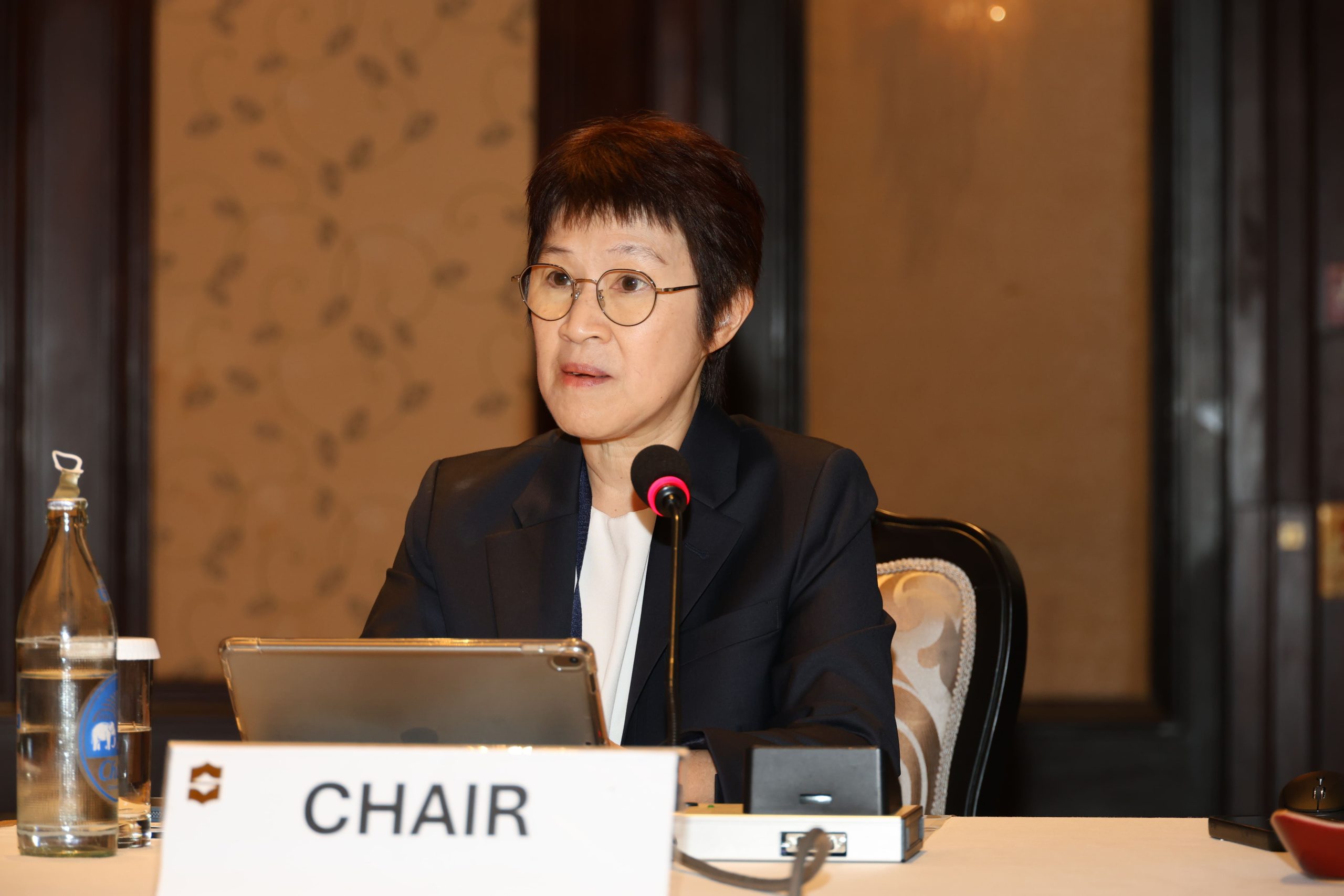
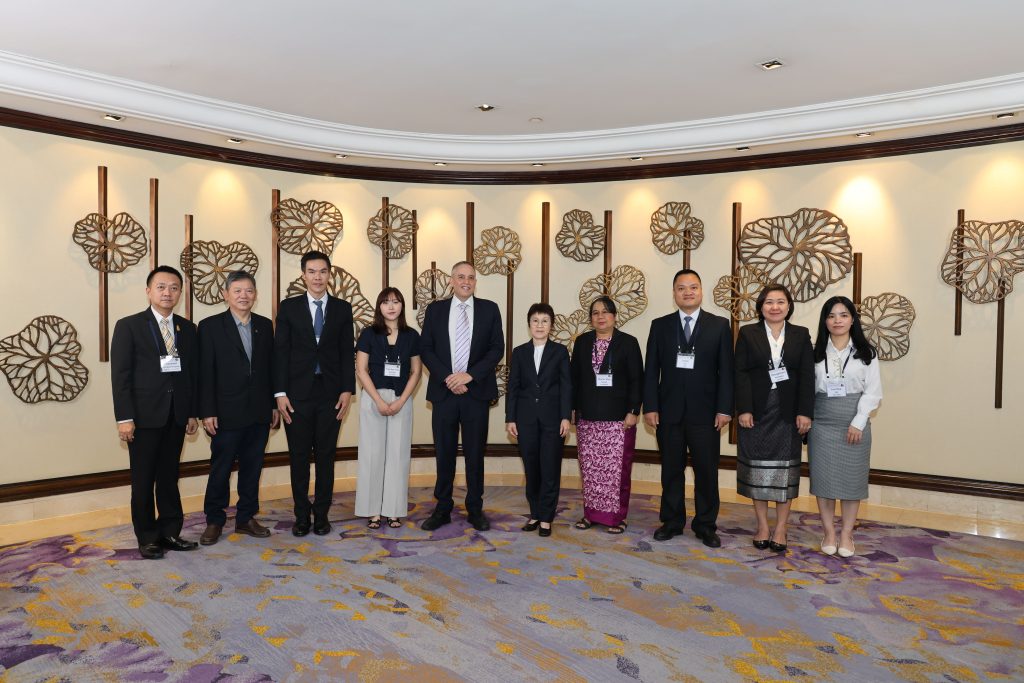
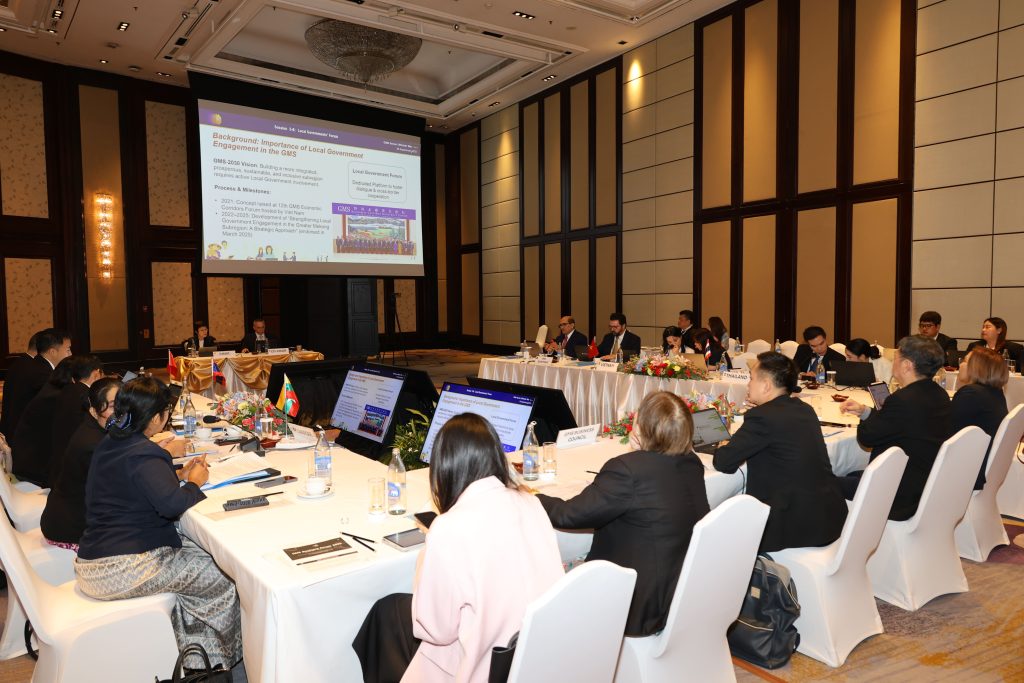
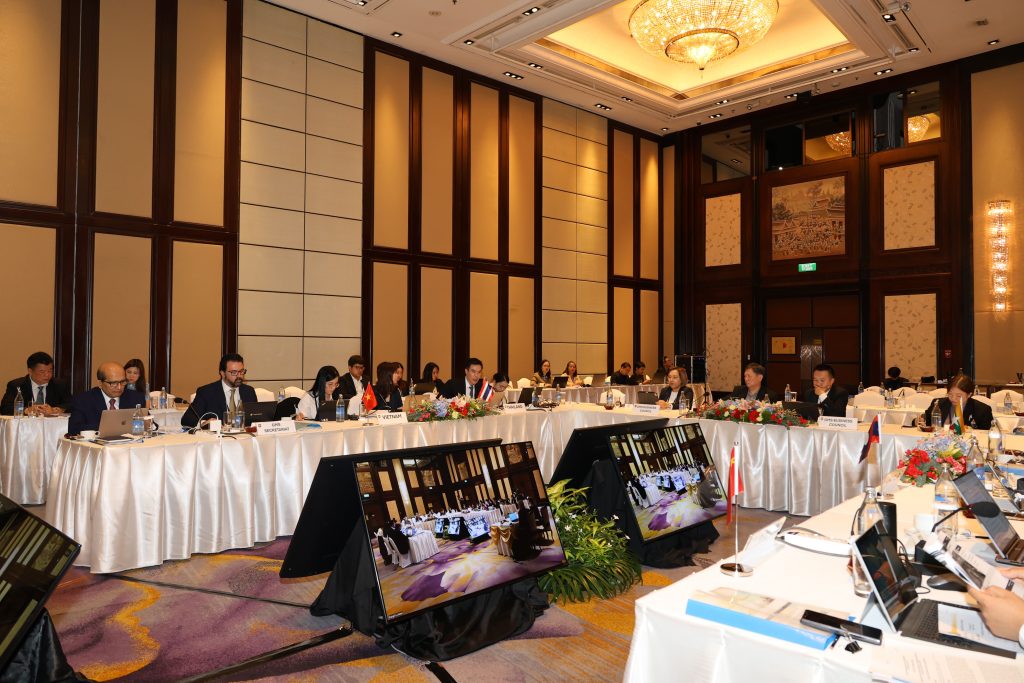
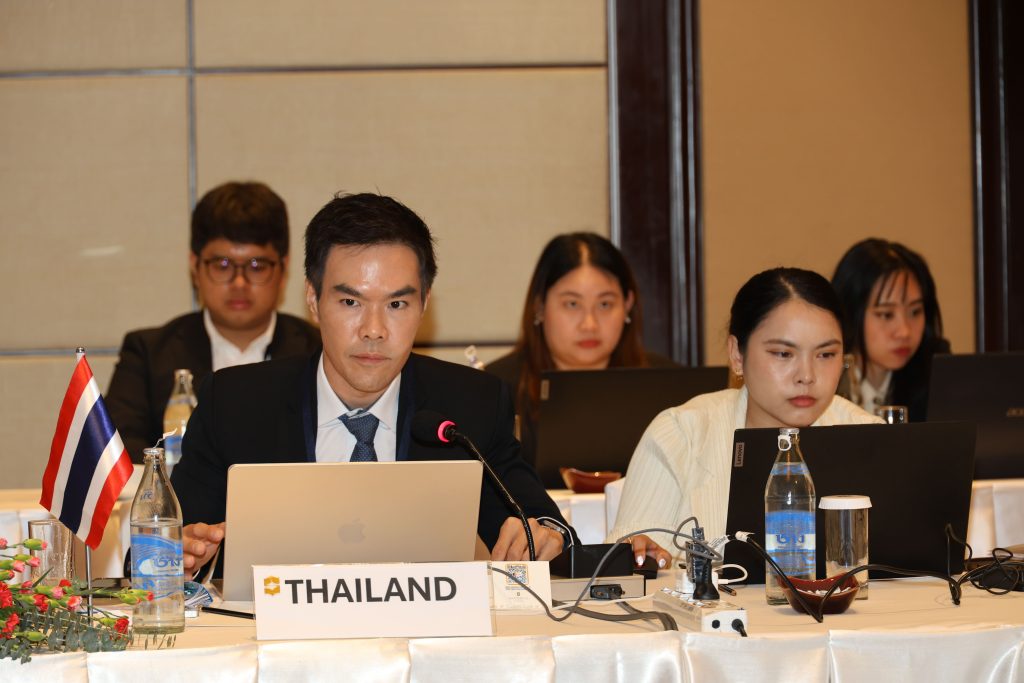
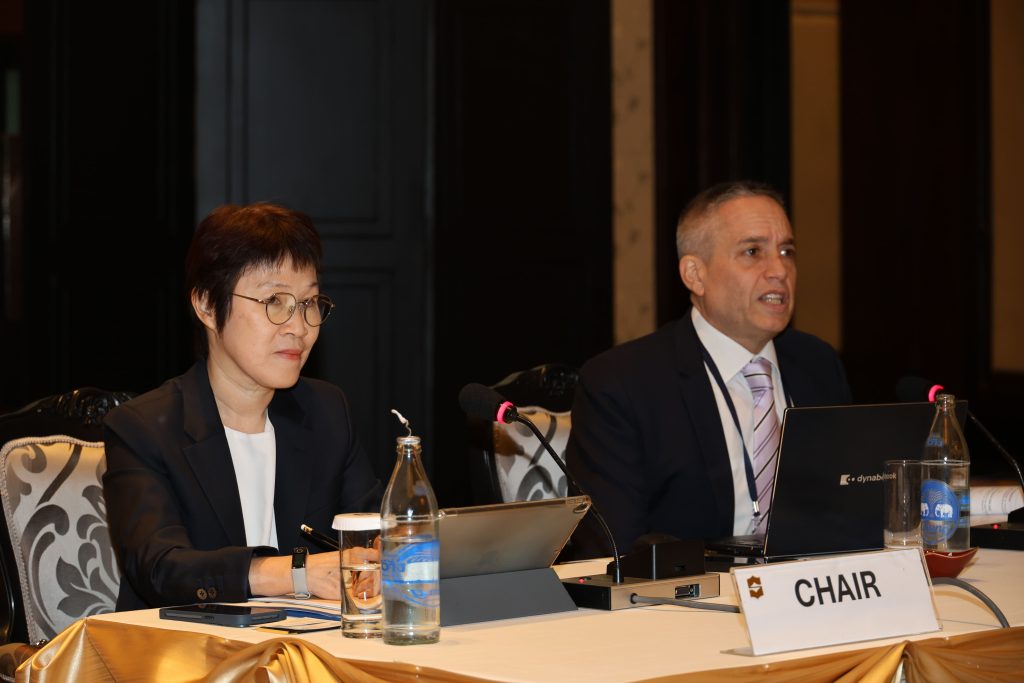
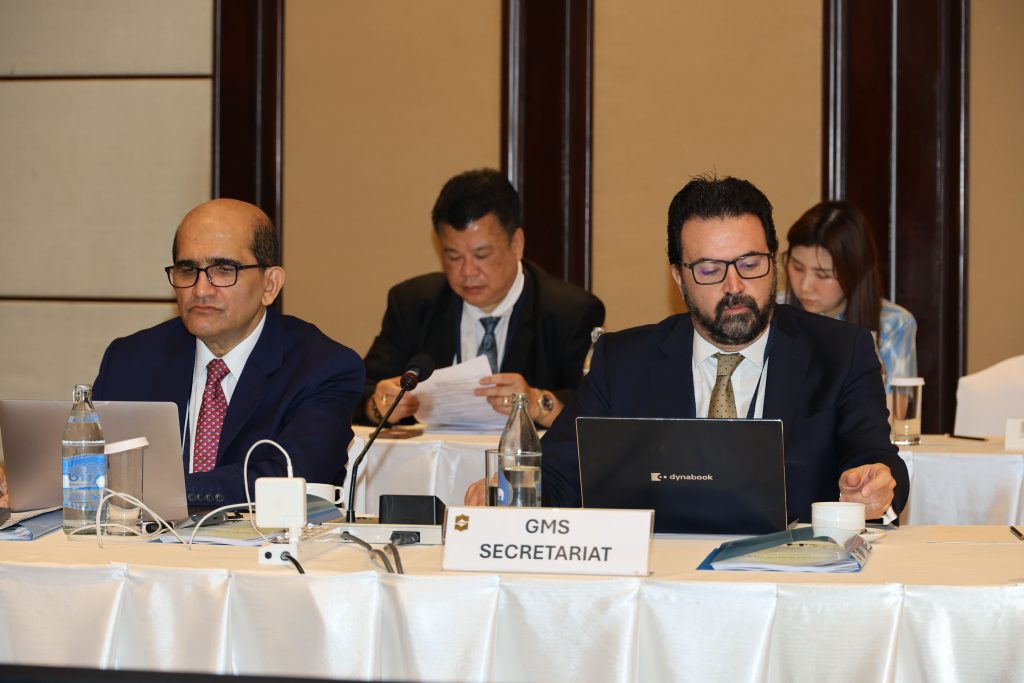
On September 29, 2025, the National Economic and Social Development Council, in collaboration with the Asian Development Bank (ADB), organized the 3rd Senior Officials’ Meeting of 2025 for the Greater Mekong Subregion Economic Cooperation Program (GMS) at Shangri-La Hotel, Bangkok. The meeting was chaired by Ms. Sasithorn Platthadech, Deputy Secretary-General of the National Economic and Social Development Council, serving as Thailand’s Senior Official for the GMS Program, together with Mr. Alfredo Perdiguero, Director of the Southeast Asia Department at ADB. Senior officials from the five Mekong countries also participated, including Mr. Chov Heng, Deputy Secretary-General of the Committee for Development Cooperation of the Kingdom of Cambodia, Mr. Su Junqia, Director of the Department of International Economic and Financial Cooperation, Ministry of Finance of the People’s Republic of China, and Ms. Phengkham Sayakeo, Deputy Director-General of the Department of International Finance and Cooperation, Ministry of Finance of the Lao People’s Democratic Republic. Dr. Mala Myo Nyun Director-General of the Department of Foreign Economic Affairs, Ministry of Investment and Foreign Economic Relations, Republic of the Union of Myanmar; Ms. Do Lu Hoa, Deputy Director of the Foreign Aid Administration Department, Department of Debt Management and International Economic Relations, Ministry of Finance, Socialist Republic of Vietnam, along with representatives from the GMS Business Council and related agencies
During this meeting, the GMS Senior Officials discussed preparations for the 27th GMS Ministerial Meeting, scheduled to be held in Bangkok from November 26-28, 2025, at Shangri-La Hotel, Bangkok, with Thailand serving as co-host alongside ADB under the theme “Fostering Inclusive Growth, Balanced Development, and Prosperity through Integrating Local Government and Private Sector in the GMS.” The meeting will include sessions with local governments focusing on building sustainable agri-food systems, developing livable cities, and promoting cross-border cooperation, along with the Development Partners Meeting and the GMS Business Forum.
The meeting also discussed key substantive matters to be presented at the Ministerial Meeting, including (1) the Strategy for Private Sector Engagement, which focuses on restructuring various sectoral working groups to facilitate coordination with the private sector and promote private sector participation at all levels, and (2) the GMS Regional Investment Framework 2026-2028 (RIF 2028), which encompasses 78 projects with a total value of over 18 billion baht, covering transportation, environment, and tourism projects. The meeting also received updates on important outcomes, including (1) strengthening sustainable and inclusive local government participation in the GMS Program through the Economic Corridors Forum (ECF), Governors’ Forum, and Sub-corridor Forums (SCFs) to enhance participation in urban development and expand cooperation with development partners, (2) the Action Plan of the Innovation Task Force, which includes strategic approaches for digital transformation, green transition, and multi-sectoral connectivity to build a robust innovation ecosystem through skills development, establishment of cooperation frameworks, and addressing common social challenges, and (3) the Gender Equality Task Force Program aimed at enhancing the capacity of GMS projects to promote Gender Equality and Inclusion (GEI) through developing operational frameworks, reviewing indicators, and building the capacity of working groups in 2025.
Furthermore, the meeting was briefed on progress reports of GMS sectoral operations including (1) Tourism with the Tourism Strategy 2030 aimed at fostering cooperation for sustainable and inclusive subregional development, positioning GMS as a highly efficient, environmentally responsible global destination that creates comprehensive economic opportunities (2) Agriculture under the Kunming Strategic Framework for GMS Program 2030 aimed at transforming agri-food systems to be sustainable, inclusive, and competitive through the application of digital technology, financial mechanisms, and high-quality food production under 4 pillars: policy and governance, research and innovation, market transformation, and infrastructure investment (3) Energy with the new GMS Energy Strategy 2024-2030 launched in 2025, aimed at creating a reliable, affordable energy system that drives competition, investment, and achieves carbon reduction goals through clean energy trade and energy efficiency enhancement, and (4) Transport which presented progress in road, railway, and regional connectivity development, and strategy improvements focusing on the Cross-Border Transport Facilitation Agreement (CBTA), rail systems, and logistics, while also reporting progress onGMS Knowledge Network Project in the Knowledge for Innovation towards Building Sustainable and Inclusive Agri-Food Systems project, with key activities including networking, training, and policy brief preparation. Additionally, the meeting was briefed on progress reports ofUrban Development Working Group under the 2030 GMS Urban Development Strategic Framework (UDSF-2030), which envisions developing livable and prosperous urban planning connected through local government support and subregional cooperation, and also discussedInnovation Week to be held from October 27-31, 2025, in Hanoi, Socialist Republic of Vietnam, to strengthen governance and cooperation among GMS coordinators, national digital agencies, and other relevant organizations to drive digital transformation in key sectors such as trade, agriculture, and tourism
*********************
Subject: Strategic Planning and International Cooperation Coordination Division
Office of the National Economic and Social Development Council
Photo: Methinya Wongpakdee