
Economic Cooperation Program
in the 6-Country Greater Mekong Subregion
Greater Mekong Subregion Economic Cooperation Program: GMS
Important News and Updates
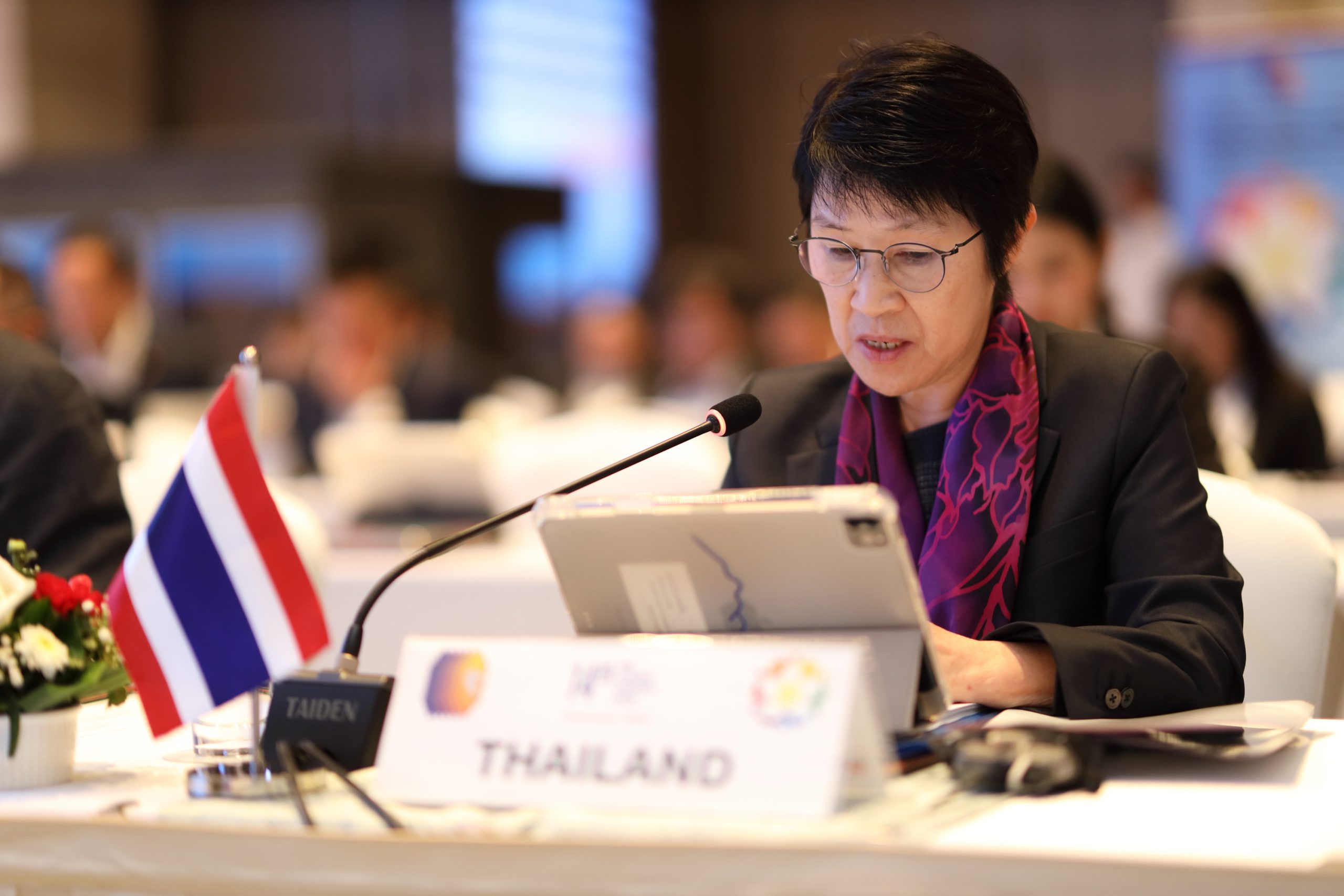
The 14th GMS Economic Corridors Forum: GMS Program Accelerates Economic Corridor Development to Address Global Challenges
The Ministry of Finance of the Lao People’s Democratic Republic, in collaboration with the Asian Development Bank (ADB), organized the 14th GMS Economic Corridors Forum (ECF-14) under the Greater Mekong Subregion (GMS) Economic Cooperation Program on September 14-15, 2026, at the Crowne Plaza Vientiane, Lao PDR. The forum aimed to present key challenges hindering the […]
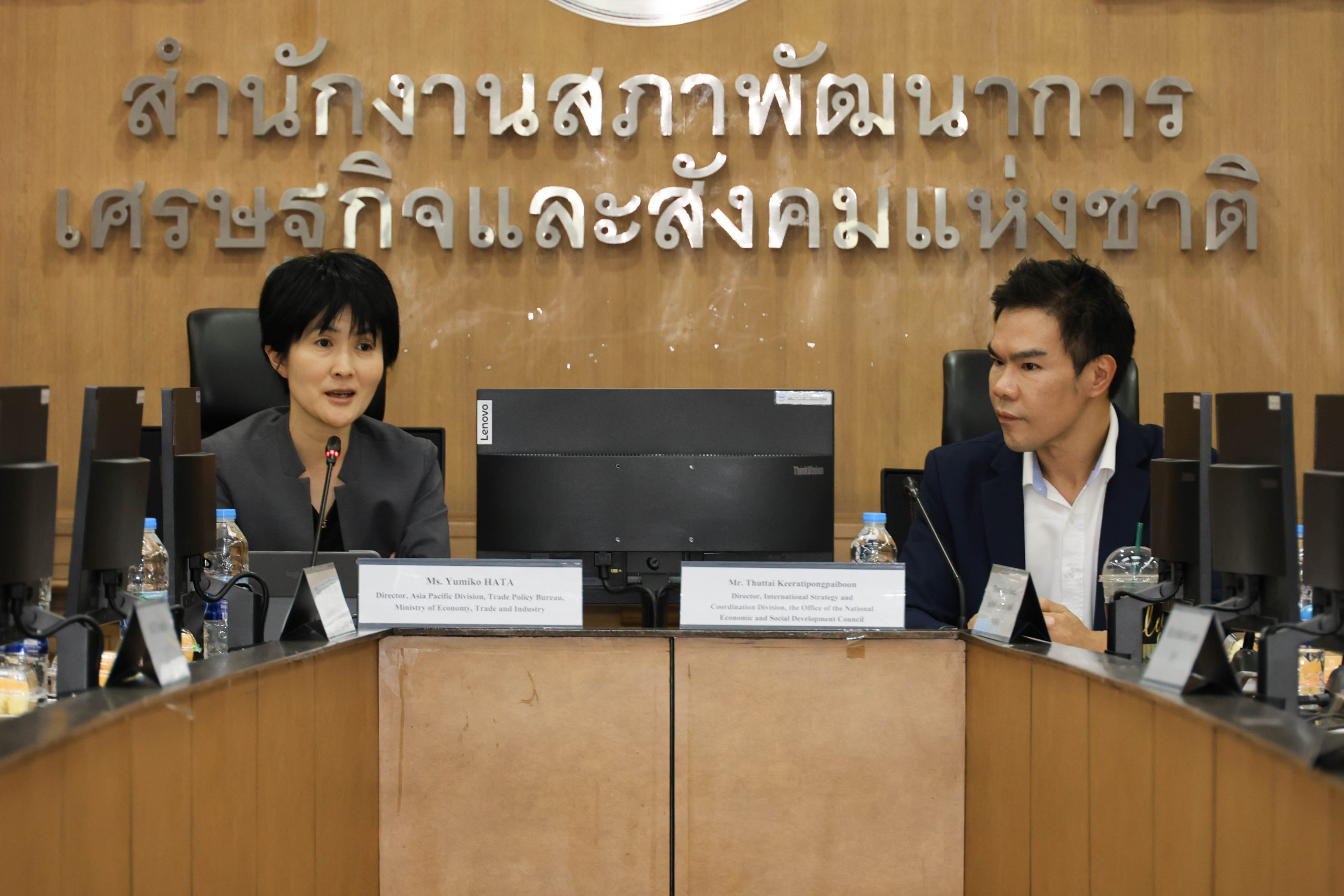
Consultation Meeting on the Formulation of a New Strategy under the AMEICC Working Group on West-East Corridor Development within the Mekong-Japan Economic and Industrial Cooperation Initiative (MJ-CI) Framework
On July 16, 2026, the Office of the National Economic and Social Development Council (NESDC), led by Mr. Thatchai Keeratiphongphaiboon, Director of the International Strategy and Cooperation Division, and Ms. Yumiko Hata, Director of the Asia and Pacific Division, Trade Policy Bureau, Ministry of Economy, Trade and Industry (METI) of Japan, co-chaired a consultation meeting […]
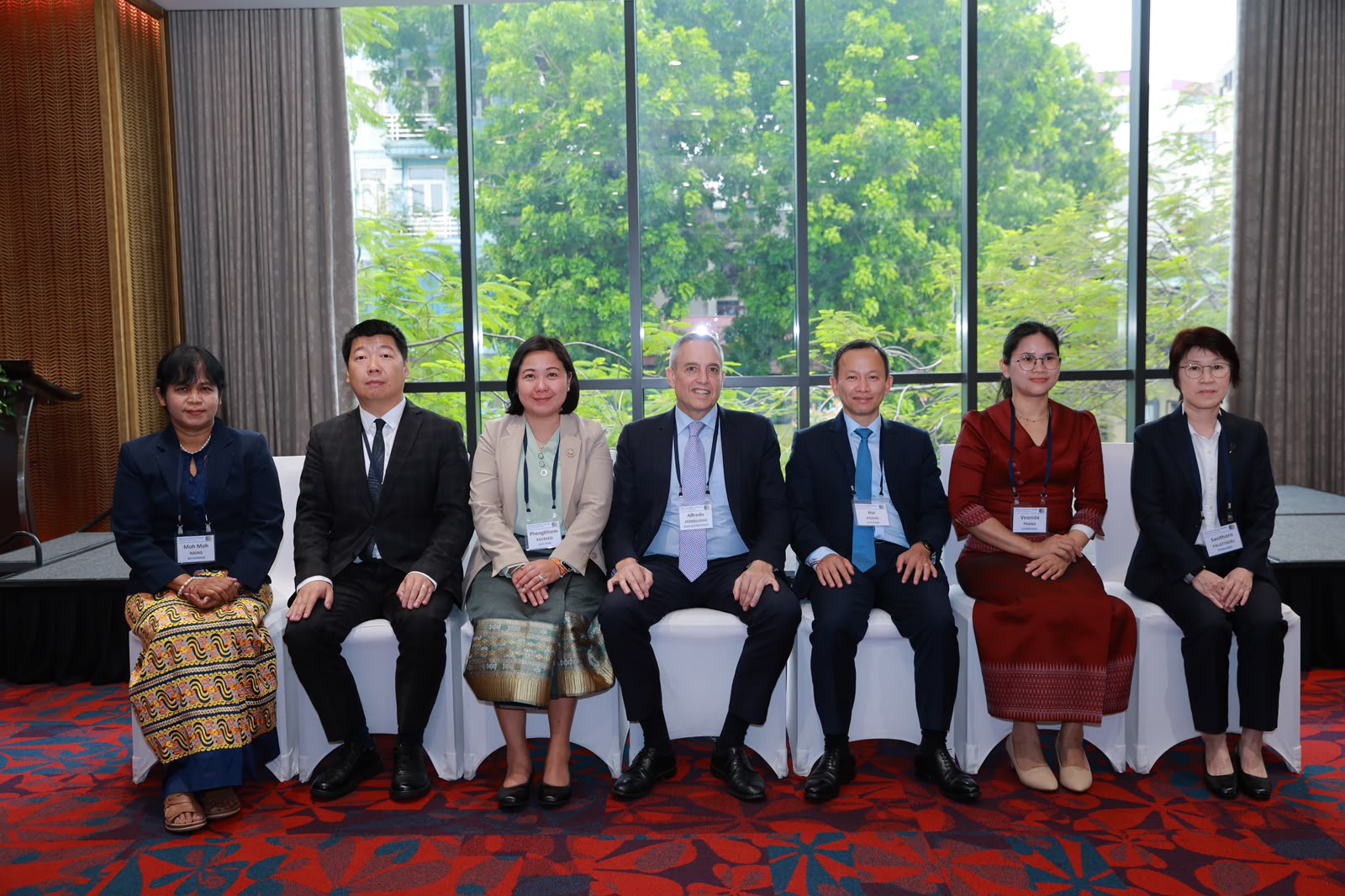
The 2nd GMS Senior Officials’ Meeting of 2026 in Hanoi: Driving Cooperation into Action, Aiming to Promote Digital and Innovation
The Socialist Republic of Vietnam, in collaboration with the Asian Development Bank (ADB), hosted the 2nd GMS Senior Officials’ Meeting (SOM) of 2026 under the Greater Mekong Subregion (GMS) Economic Cooperation Program on June 29, 2026, in Hanoi, Vietnam. The meeting aimed to monitor the progress of preparations for the 28th GMS Ministerial Meeting and […]
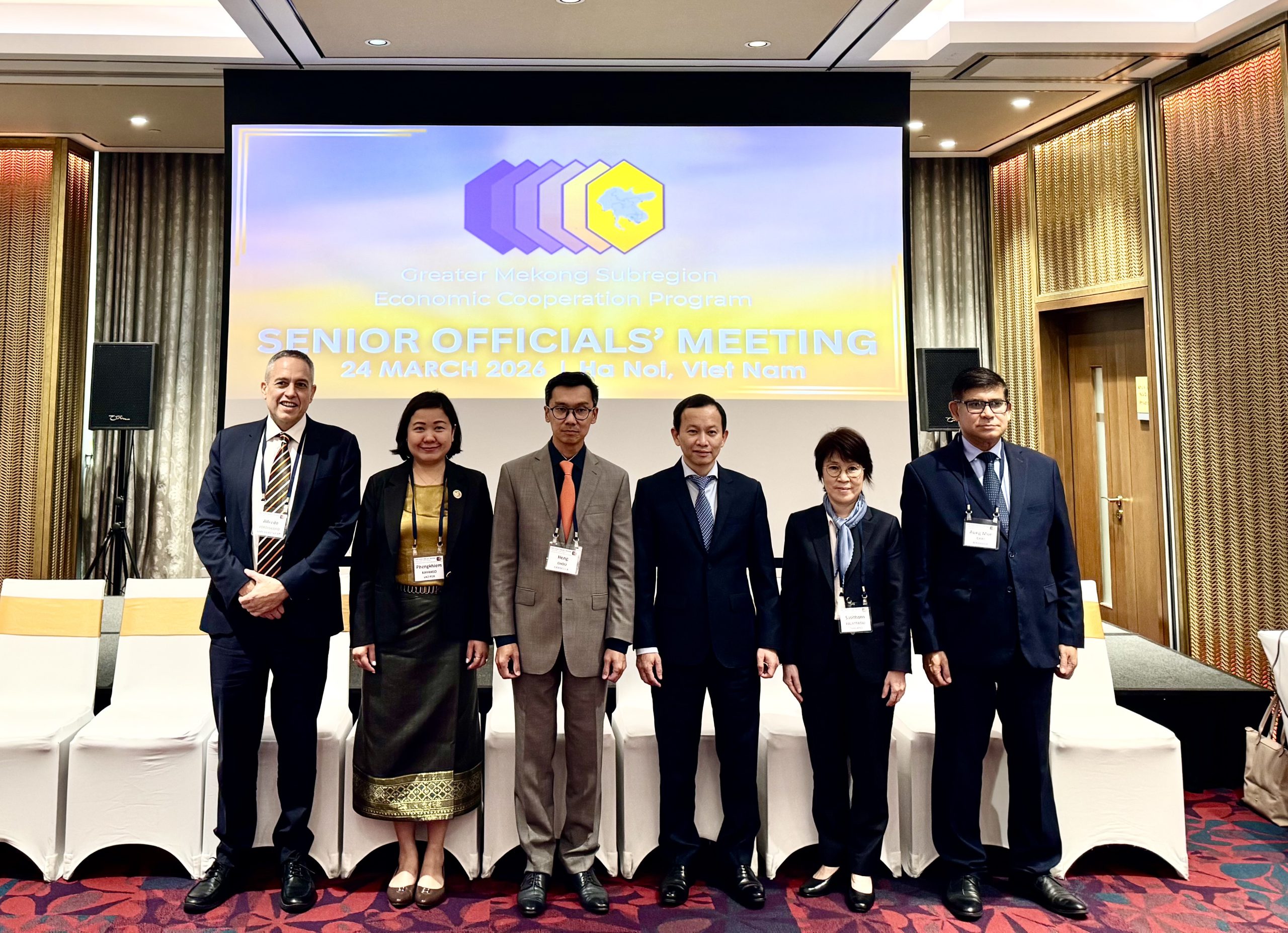
The 1st GMS Senior Officials’ Meeting (SOM-1/2026) in Hanoi, Socialist Republic of Vietnam
The Socialist Republic of Vietnam, in collaboration with the ADB, hosted the 1st GMS Senior Officials’ Meeting (SOM-1/2026) on Tuesday, March 24, 2026, in Hanoi, Socialist Republic of Vietnam. The meeting was chaired by the Vietnamese Senior Official, Mr. Hoang Hai, Deputy Director General of the Department of Debt Management and External Finance, Ministry of […]
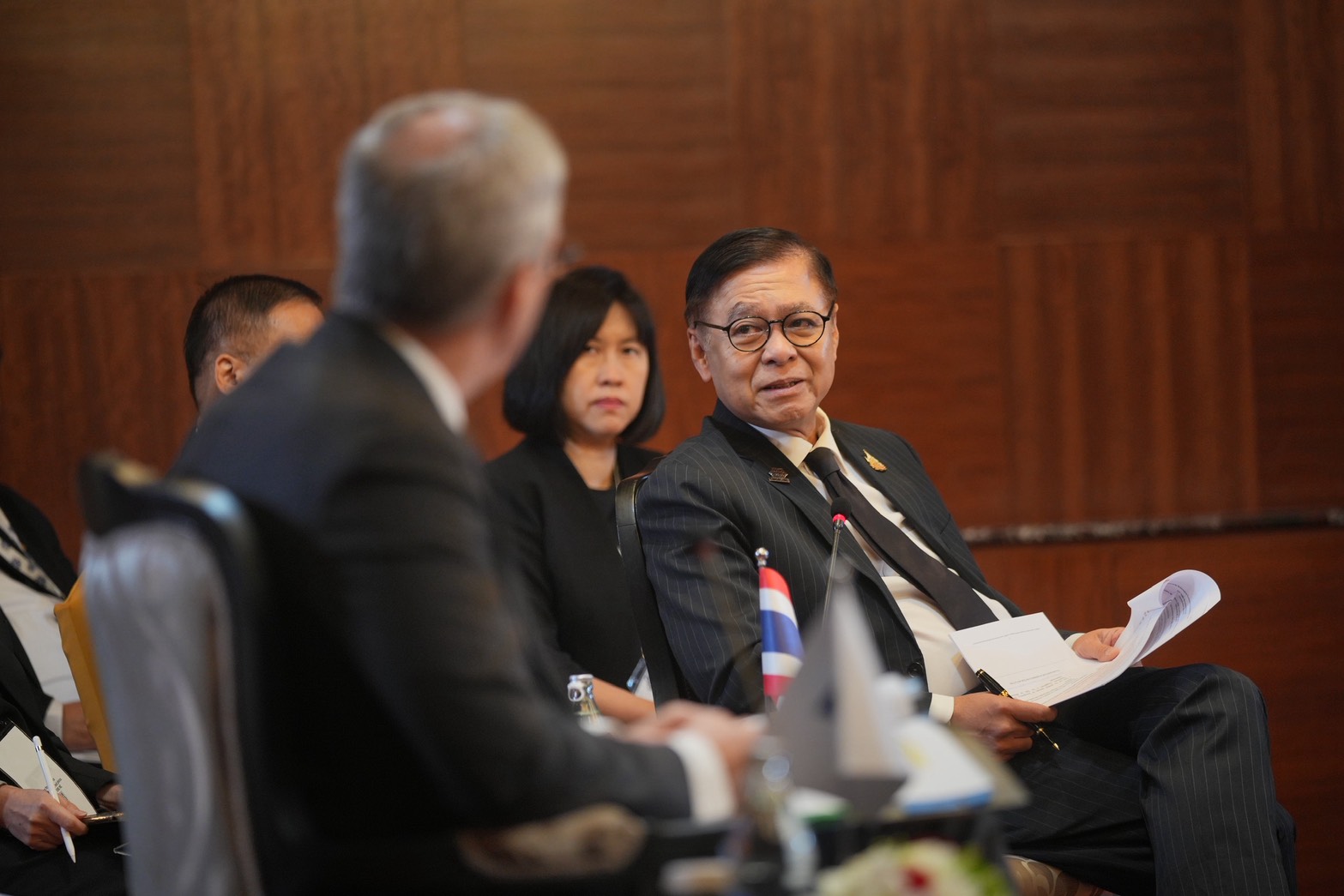
27th GMS Ministerial Meeting: Uniting Government-Private Sector-Local Communities to Drive Towards an Inclusive Growing Subregion
On Friday, November 28, 2025, Thailand hosted the 27th Greater Mekong Subregion Economic Cooperation Program Ministerial Conference (The 27th GMS Ministerial Conference) at the Shangri-La Hotel, Thailand. Mr. Sihasak Phuangketkeow, Minister of Foreign Affairs, serving as Thailand’s GMS Minister, chaired the meeting. The conference was attended by H.E. Chhieng Yanara, Minister Attached to the Prime […]
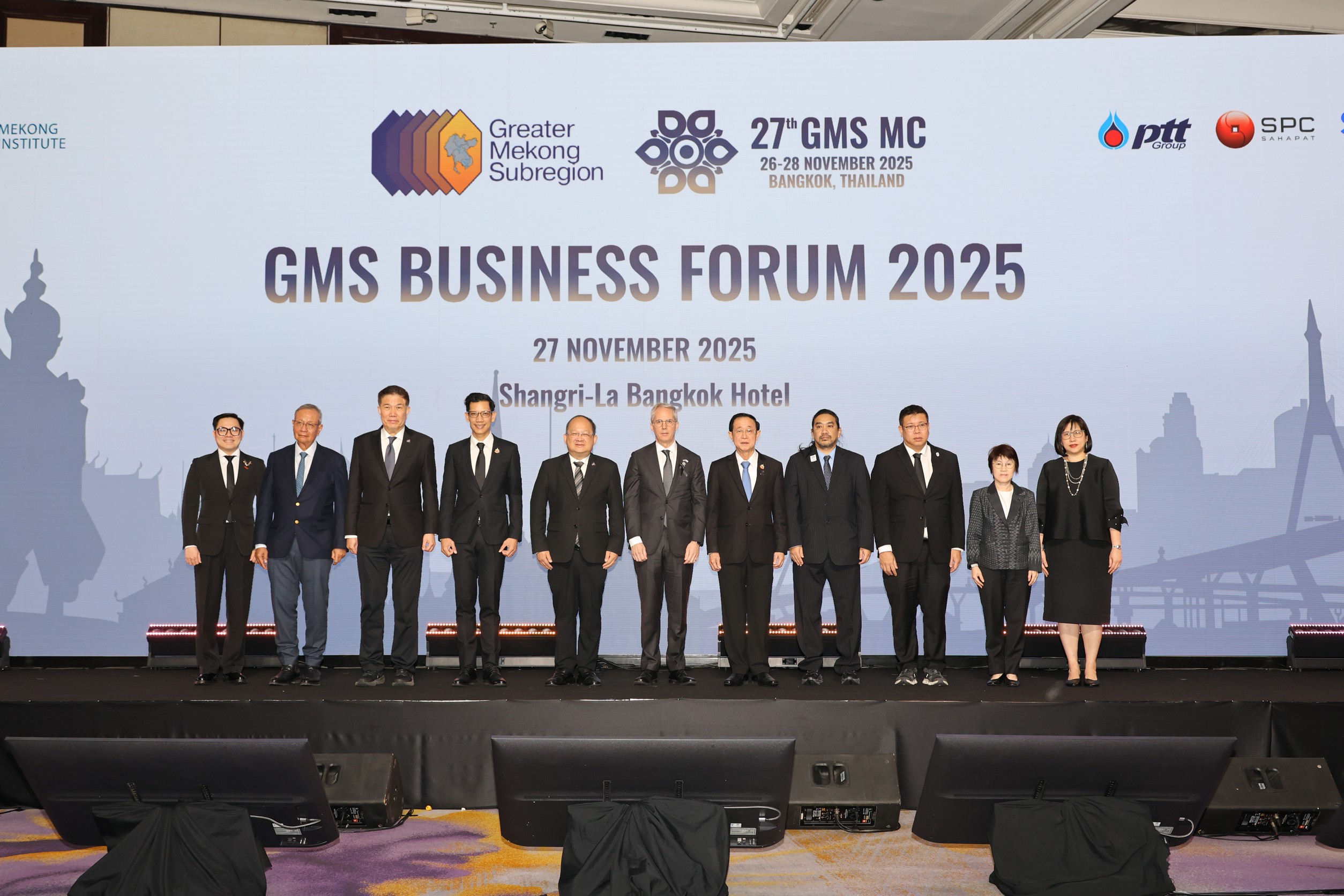
Business Council and Local Government Forum during the 27th GMS Ministerial Meeting
On November 27, 2025, during the 27th GMS Ministerial Meeting, parallel discussion forums were organized, including the 2025 GMS Business Forum and the Local Governments’ Forum, which reflected the core concept of this year’s ministerial meeting that emphasized promoting inclusive growth, balanced development, and prosperity through the integration of local governments and the private sector […]
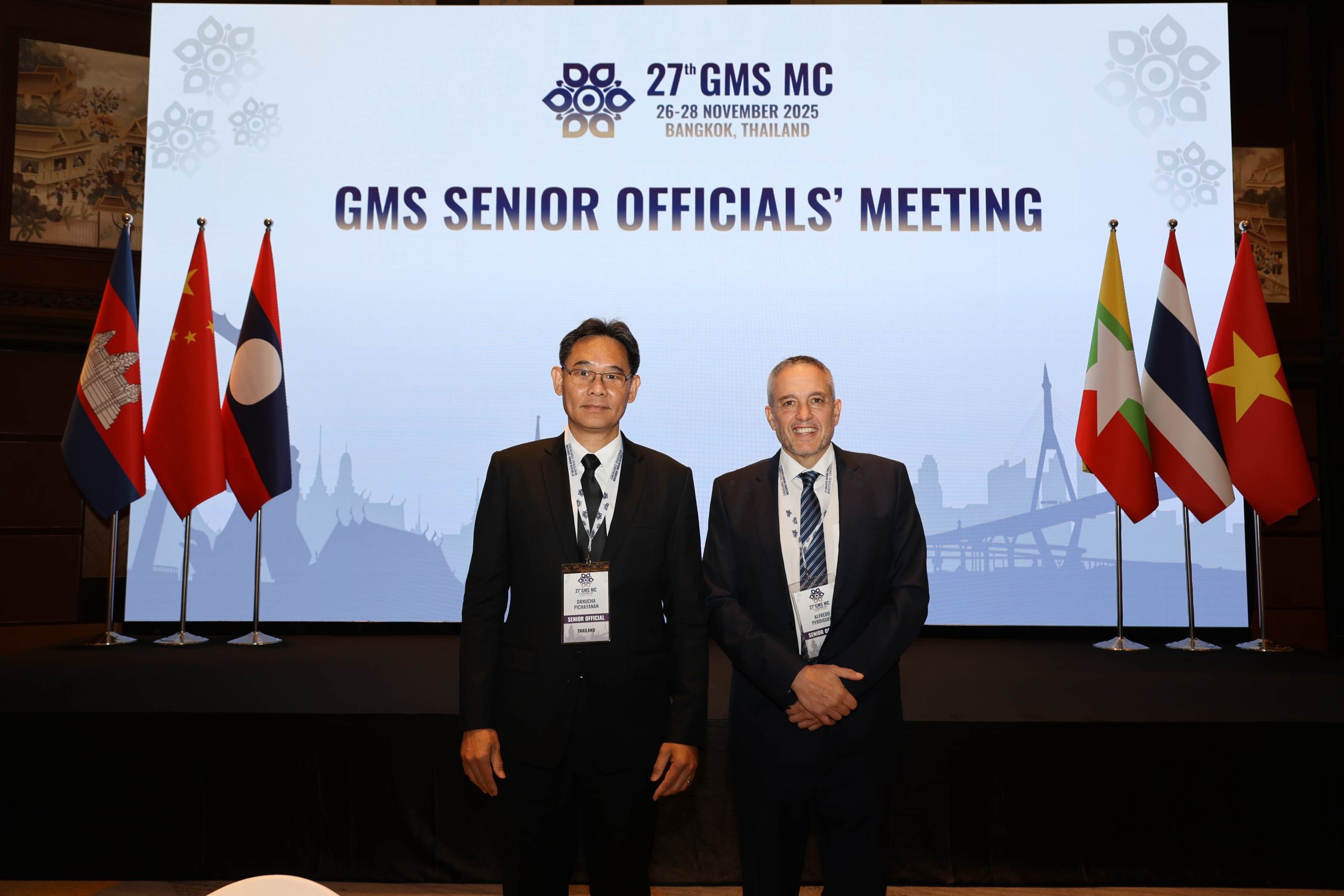
Senior Officials’ Meeting during the 27th Ministerial Conference of the Six-Country Greater Mekong Subregion Economic Cooperation Program
On November 26, 2025, the Office of the National Economic and Social Development Council (NESDC), in collaboration with the Asian Development Bank (ADB), organized the Senior Officials’ Meeting during the 27th Ministerial Conference of the Six-Country Greater Mekong Subregion Economic Cooperation Program (Greater Mekong Subregion: GMS) at the Shangri-La Hotel, Bangkok. Mr. Danucha Pichayanan, Secretary-General […]
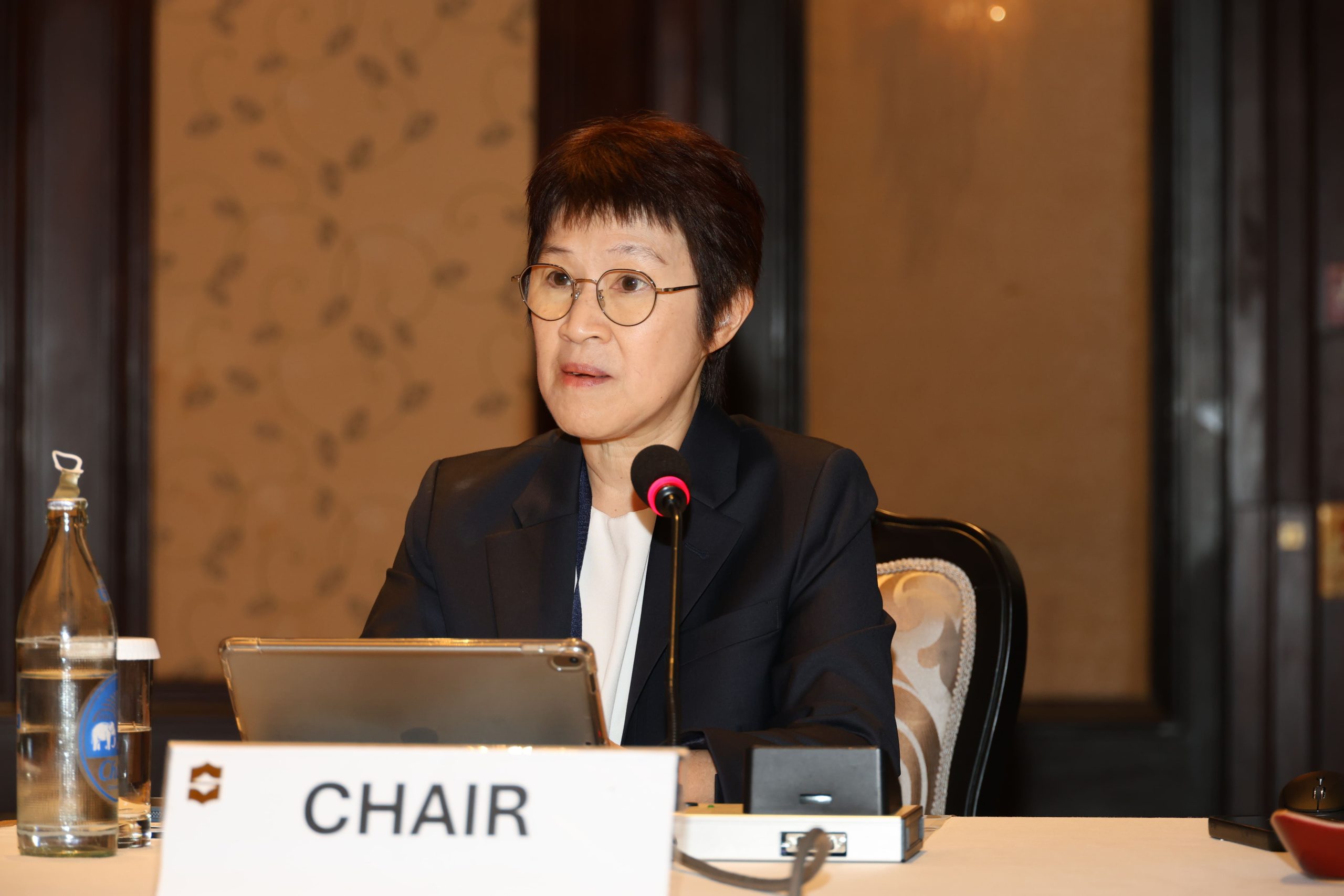
3rd Senior Officials Meeting 2025 of the Greater Mekong Subregion Economic Cooperation Program
On September 29, 2025, the Office of the National Economic and Social Development Council, in collaboration with the Asian Development Bank (ADB), organized the 3rd Senior Officials Meeting/2025 of the Greater Mekong Subregion Economic Cooperation Program (Greater Mekong Subregion: GMS) at Shangri-La Hotel, Bangkok. The meeting was chaired by Ms. Sasithorn Platthadech, Deputy Secretary-General of […]
3rd Senior Officials Meeting 2025 of the Greater Mekong Subregion Economic Cooperation Program
On September 29, 2025, the National Economic and Social Development Council, in collaboration with the Asian Development Bank (ADB), organized the 3rd Senior Officials’ Meeting of 2025 for the Greater Mekong Subregion Economic Cooperation Program (GMS) at Shangri-La Hotel, Bangkok. The meeting was chaired by Ms. Sasithorn Platthadech, Deputy Secretary-General of the National Economic and […]

General Information about the GMS Program
The Greater Mekong Subregion Economic Cooperation Program (GMS Program) is a cooperation framework among 6 countries in the Mekong River Basin, including Cambodia, Lao PDR, China (Yunnan Province and Guangxi Zhuang Autonomous Region), Myanmar, Thailand, and Vietnam. It was initiated in 1992 through the efforts of these 6 countries and with support from the Asian Development Bank (ADB) to promote economic, social, and environmental cooperation based on the comparative advantages of each country. Currently, the GMS Program operates under the GMS Economic Cooperation Program Strategic Framework 2030, which aims to develop the Greater Mekong Subregion into an integrated, prosperous, sustainable, and inclusive subregion.

The implementation of the GMS Program throughout its history has been based on 3 pillars of development, or the 3Cs principle, consisting of:

Connectivity
Focusing on sustainable physical infrastructure development and upgrading transportation networks to become economic corridors

Competitiveness
Facilitating cross-border movement of people and goods, developing production chains, agriculture, tourism, and urban development

Community
Building a community with a shared future by promoting cross-border cooperation in public health and the environment, as well as improving the well-being of the people.
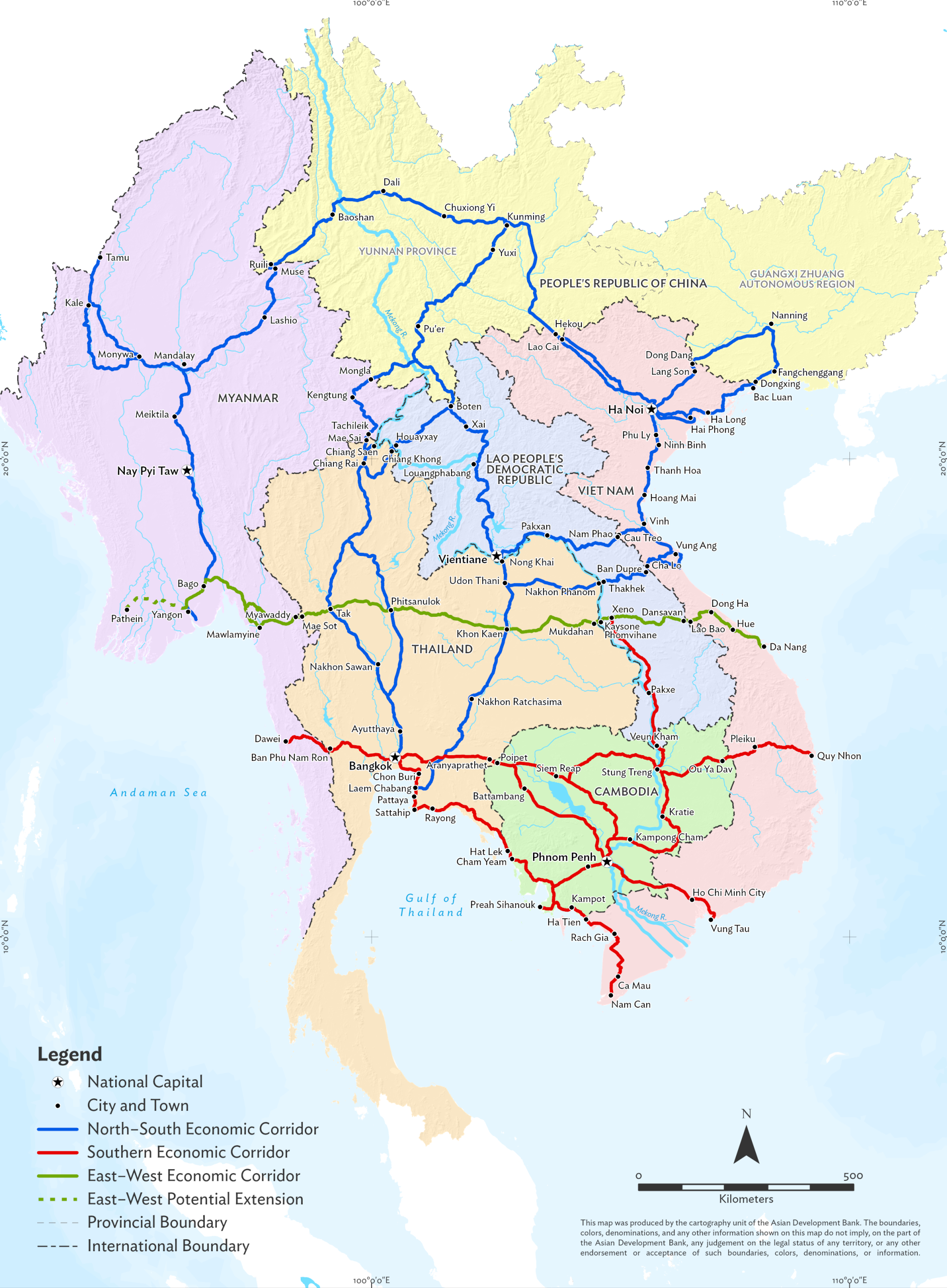
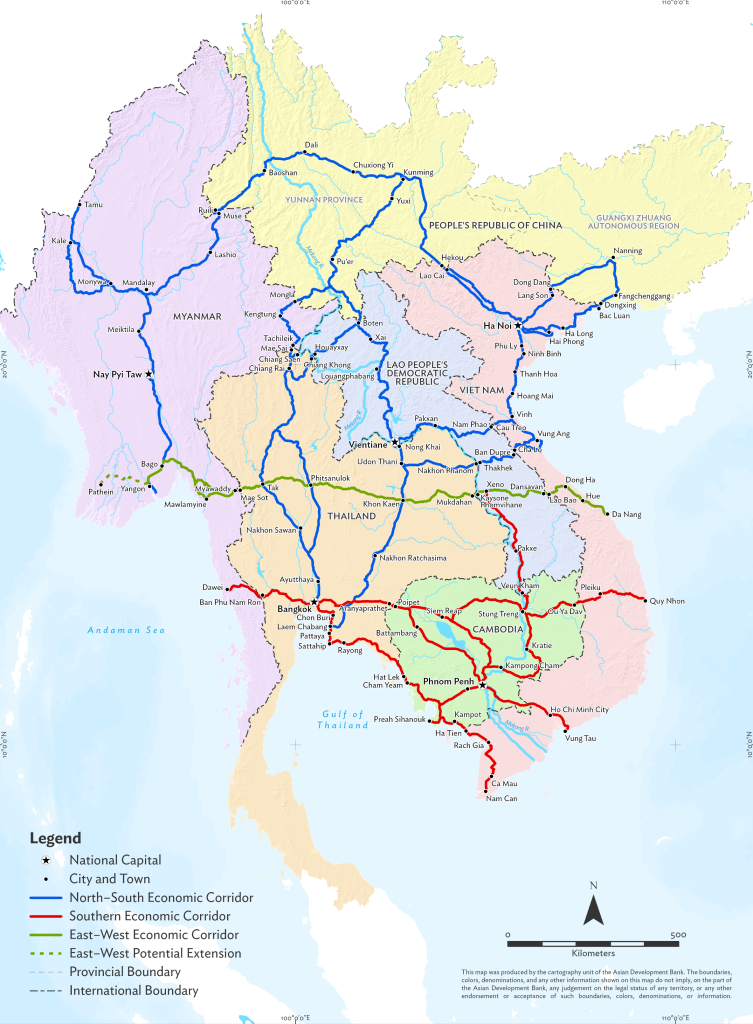
The GMS Program emphasizes the concept of developing Economic Corridors, which involves connecting cross-border economic areas through infrastructure, policy coordination, and harmonization of regulations. This aims to promote economic activities and the movement of goods, services, people, and capital in the Greater Mekong Subregion. There are 3 main economic corridors:
(1) North-South Economic Corridor (NSEC) is the main route connecting southern China and Lao PDR to access the sea.
(2) East-West Economic Corridor (EWEC) is a route connecting major economic cities between Vietnam, Lao PDR, Thailand, and Myanmar, covering a total distance of 1,500 kilometers.
(3) Southern Economic Corridor (SEC) is a route connecting major economic cities between Thailand-Cambodia-Vietnam, including Myanmar, and Vietnam-Cambodia and Laos.
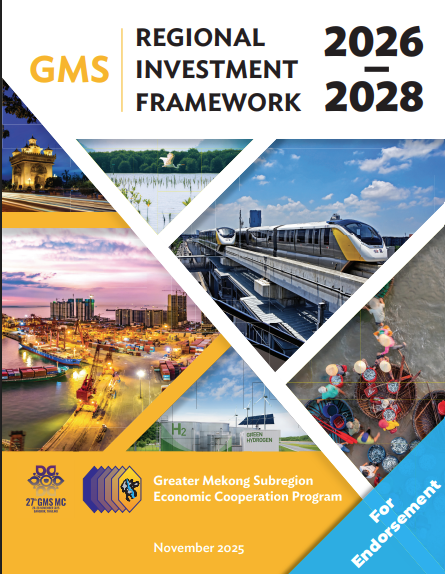
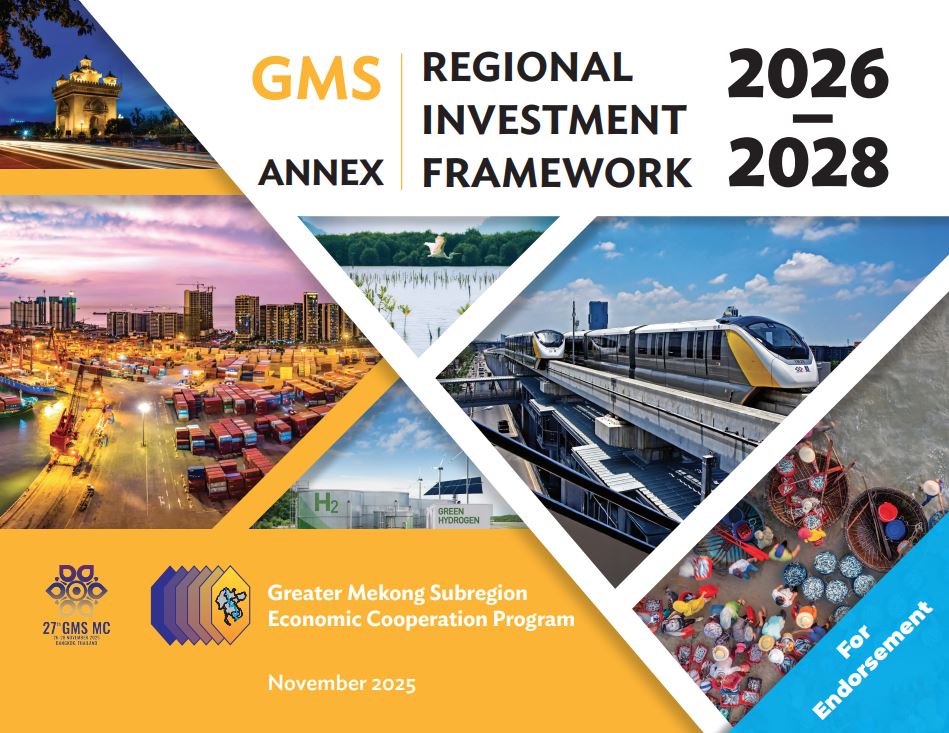
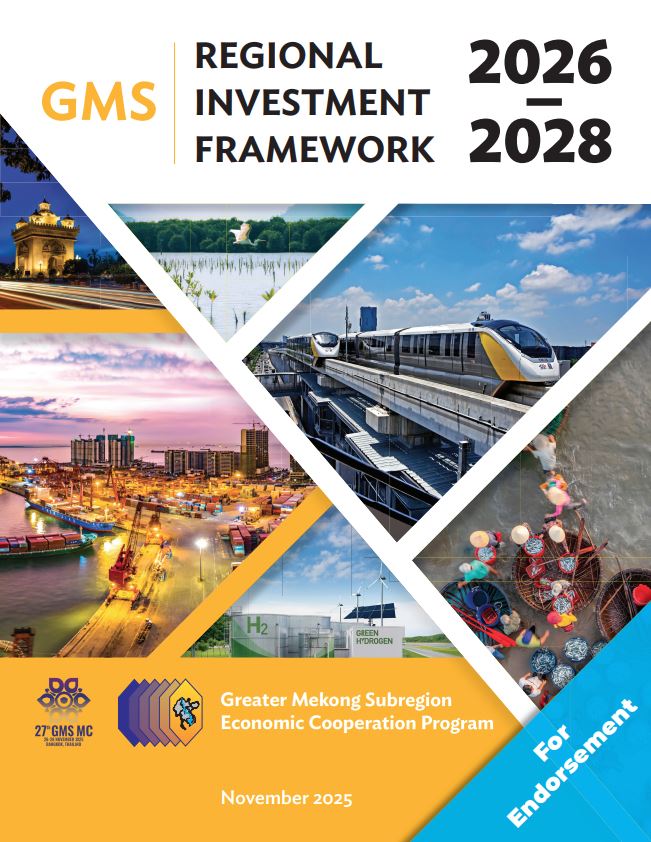
It is a short-term investment framework that aligns with the development objectives of the GMS Program. Currently operating under the RIF 2028 framework, it covers the period 2026–2028 and consists of 88 projects across all six countries.
Sectoral Working Groups




Task Forces and Cross-Sectoral Operations








Driven through the following key meeting mechanisms:
Summit Level
The highest-level meeting mechanism led by organizational leaders. The GMS Summit is held every 3 years to set the overall strategy of the program and monitor implementation progress.
Ministerial Level (Ministerial Conference)
A meeting mechanism for GMS ministers from each country, held annually to review past performance and set policy directions for various projects according to the strategies defined at the Summit.
Senior Officials’ Meetings
The highest-level meeting mechanism for GMS officials, held 3-4 times a year to follow up on the implementation of directives from policy-level meetings.
Sectoral Working Groups
(Working Groups)
Meetings in 10 main cooperation sectors, along with specific working groups or discussion forums for each issue.
GMS Secretariat
Responsible for providing technical support, overall management, and coordination to drive the GMS Program, with ADB serving in this role.
GMS National Secretariats
The main coordinators for each GMS member country, providing support for GMS Program activities and monitoring implementation.


Enhancing GMS Program Mechanisms
On Friday, November 28, 2025, Thailand hosted the 27th GMS Ministerial Conference at the Shangri-La Hotel, Thailand. The meeting was chaired by Mr. Sihasak Phuangketkeow, Minister of Foreign Affairs, acting as the GMS Minister for Thailand. The meeting endorsed three outcome documents: (1) the Joint Ministerial Statement of the 27th GMS Ministerial Conference; (2) the GMS Regional Investment Framework 2026–2028; and (3) the Strategy for Private Sector Engagement in the GMS Program. These documents serve as a key framework for driving economic cooperation in the Greater Mekong Subregion in the next phase, ensuring that member countries’ operations are aligned, connected, and respond concretely to the Sustainable Development Goals.

Operations under the Greater Mekong Subregion Economic Cooperation Program Strategic Framework 2030 (GMS 2030)
Driving key programs/projects in each cooperation sector under GMS 2030 into practice;
jointly discussing to identify potential activities/projects to advance the subregion;
monitoring the progress of various projects and evaluating the success of operations.

Creating linkages between the GMS Program and various regional and global initiatives and cooperation frameworks.
Promoting alignment and complementarity between the GMS Program and other subregional cooperation frameworks, such as the Ayeyawady-Chao Phraya-Mekong Economic Cooperation Strategy (ACMECS), the Mekong-Lancang Cooperation (MLC), and the Belt and Road Initiative (BRI);
developing linkages with other subregional cooperation frameworks, such as the IMT-GT and BIMSTEC programs, as well as other regional and global cooperation projects to serve as a new driving force for development at both the subregional and broader global levels.




Schedule of Past and Future Important Meetings

Download Documents
Multimedia


GMS | Summit 7

The 6th GMS Summit

Greater Mekong Subregion: 25 Years of Successful Cooperation
