Health
Working Group on Health Cooperation
(WGHC)
Primary Agency: Ministry of Public Health
Background and Principles
Public health cooperation plays a crucial role in addressing cross-border health challenges, such as emerging diseases, labor and population mobility, health system vulnerabilities, and the impacts of climate change.
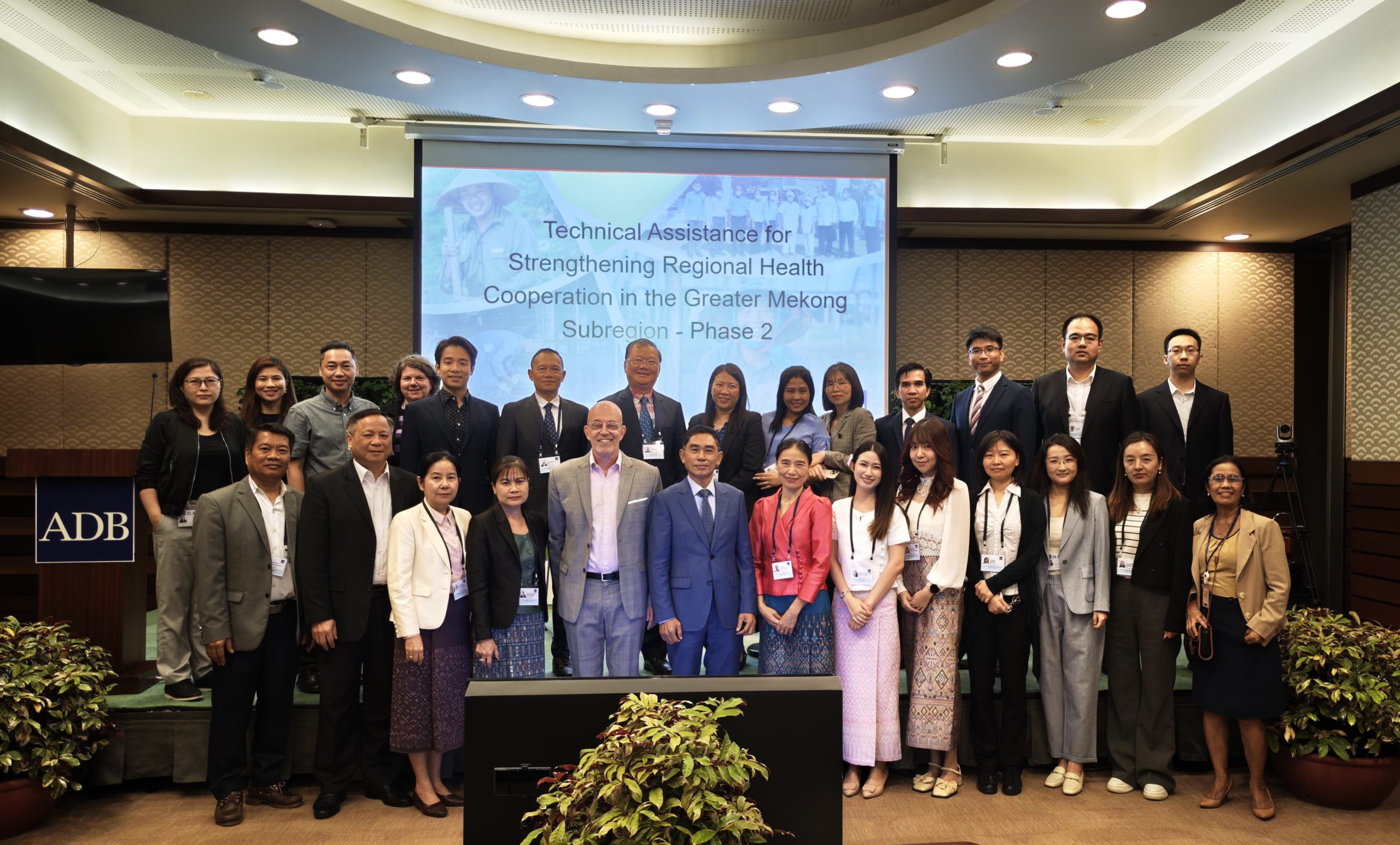
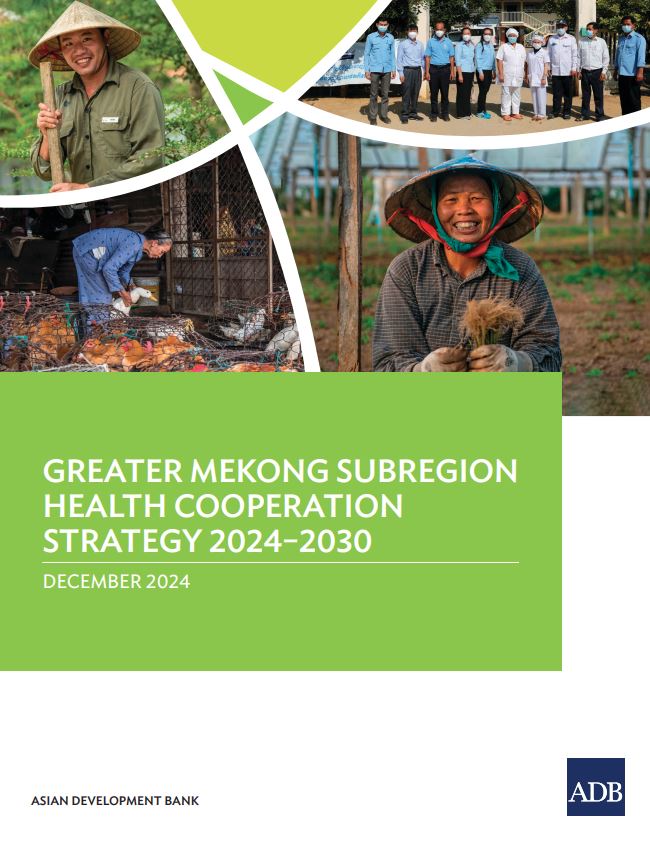
The Greater Mekong Subregion (GMS) Health Cooperation Strategy 2024–2030 prioritizes health issues requiring regional cooperation, focusing on two key pillars: (1) Regional Health Security to strengthen preparedness in the prevention, detection, and response to public health threats, such as communicable and emerging diseases; and (2) Strengthening Health Systems toward Universal Health Coverage (UHC), emphasizing equitable access to health services, particularly for vulnerable groups. Furthermore, the strategy integrates cross-cutting issues such as gender equality, climate change, and digital health to support the development of inclusive, resilient, and sustainable health systems in the subregion.
Recent Progress
Progress has been made in driving regional health security cooperation by accelerating implementation in alignment with the GMS Health Cooperation Strategy 2024–2030. This aims to enhance universal health coverage, communicable disease prevention and control, and border surveillance and quarantine measures in accordance with World Health Organization (WHO) regulations, alongside driving public health policies under the “One Health” concept, which integrates human, animal, and environmental health dimensions. Additionally, the working group promotes cooperation with the private sector and international partners to strengthen the capacity to address antimicrobial resistance and sustainably enhance the preparedness of the subregion’s public health systems.