Labor Migration
Labor Mobility
Primary Agency: Ministry of Labour
Background and Principles
The Greater Mekong Subregion (GMS) is a region characterized by high economic growth rates. Recent economic integration and the establishment of free trade agreements have encouraged increased cross-border labor mobility, which plays a crucial role in the region’s economic development. Consequently, it is essential to develop policies and projects through international cooperation to ensure that labor migration management supports inclusive economic growth, protects vulnerable groups, and utilizes resources efficiently.
Under the GMS cooperation framework, labor mobility operations emphasize treating labor issues as cross-sectoral and implementing a whole-of-government approach. The Asian Development Bank (ADB), in collaboration with the International Organization for Migration (IOM), has organized policy dialogue forums to strengthen coordination among relevant agencies and enhance the coherence of labor, migration, and development measures. This ensures that labor mobility within the subregion yields maximum benefits for sustainable and inclusive development.
Recent Progress
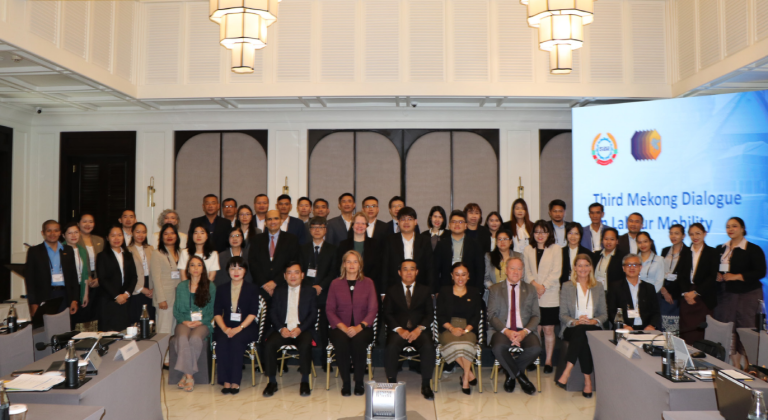
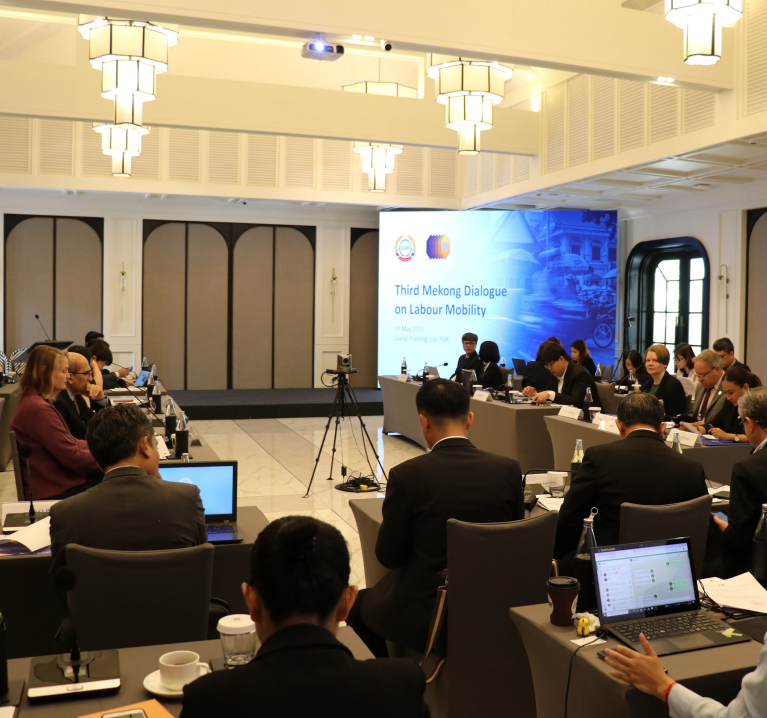
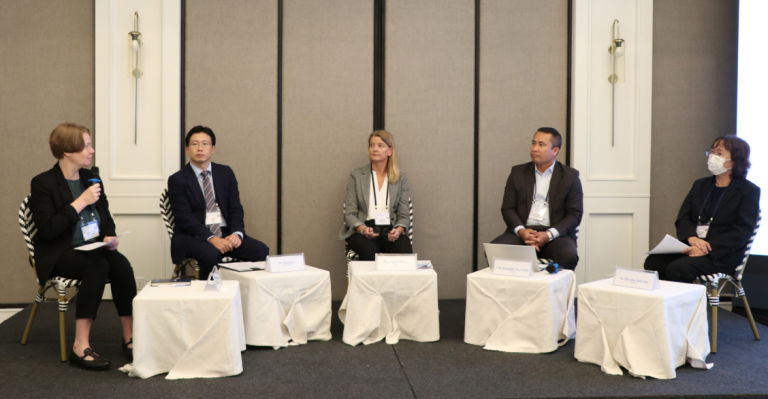
On May 29, 2025, the Lao People’s Democratic Republic hosted the 3rd Mekong Dialogue on Labour Mobility under the GMS Program. The meeting was chaired by the Deputy Minister of Labour and Social Welfare of Lao PDR and supported by the ADB and IOM. Its objective was to strengthen subregional cooperation on labor mobility through a multi-stakeholder engagement approach involving GMS member countries and development partners, aiming to enhance policy coordination and labor operations to facilitate inclusive and sustainable economic growth under the GMS Program.