Gender Equality and Inclusion
GMS Task Force on Gender Equality and Inclusion
(GMS Task Force Gender Equality and Inclusion)
Lead Agency: Ministry of Social Development and Human Security
Background and Principles
Under the Greater Mekong Subregion (GMS) program, gender equality issues began to be addressed in certain projects related to human trafficking prevention, the promotion of safe labor migration, and the creation of employment opportunities for women, such as the Preventing the Trafficking of Women and Children and Promoting Safe Migration project, as well as the promotion of women’s employment in the North–South Economic Corridor (NSEC) and East–West Economic Corridor (EWEC) development projects.
Subsequently, gender equality was integrated as part of the strategic goals in the GMS Tourism Sector Strategy 2006–2015 and was mentioned across various cooperation sectors under the GMS Strategic Framework 2012–2022 (10-year plan), including tourism, human resource development, public health, agriculture, and the environment, although the focus remained largely on supporting women’s access to basic opportunities and rights.
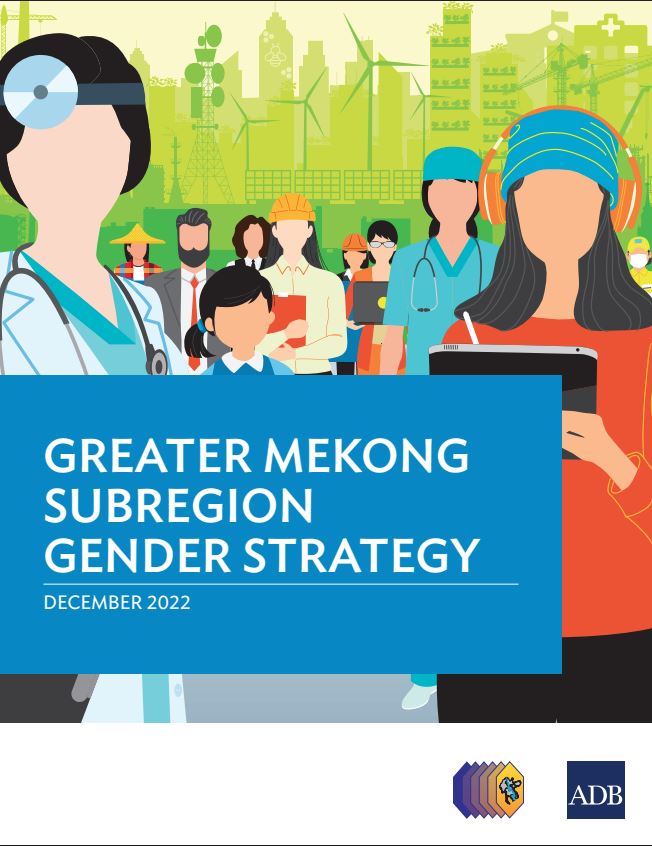
Under the GMS 2030 Strategic Framework, gender equality has been elevated to a key issue under the principle of inclusivity, ensuring that women and low-income groups benefit from GMS development projects and supporting the achievement of the United Nations Sustainable Development Goals (SDGs), particularly SDG 5 and SDG 10.
Recent Progress
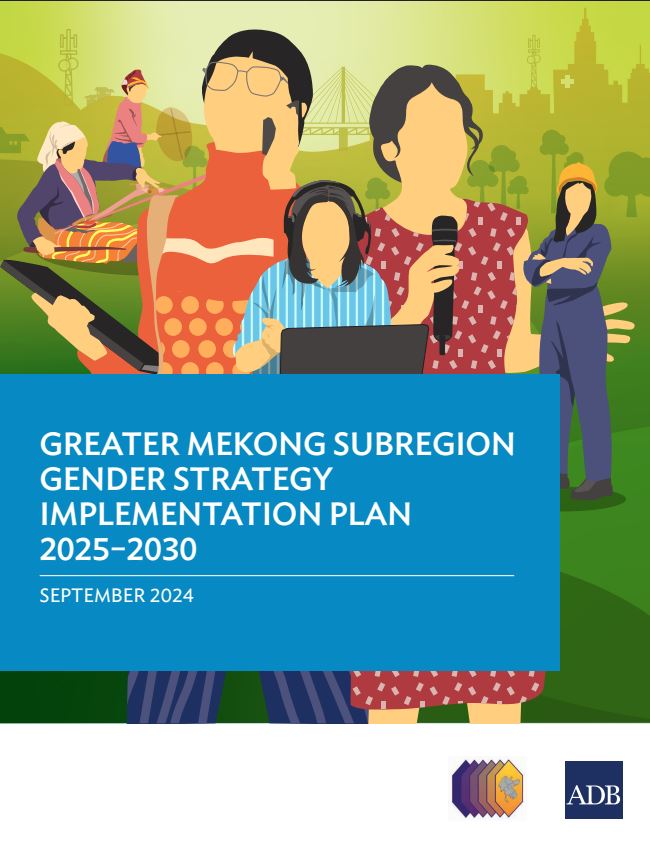
Progress has been made in strengthening the role of the Task Force as the primary mechanism for coordination, monitoring progress, and promoting cooperation among member countries. This includes driving the concrete implementation of the GMS Gender Strategy Implementation Plan (GSIP 2025–2030), alongside monitoring, evaluating, and reporting on progress. Furthermore, gender mainstreaming is being integrated into GMS projects and policies according to the GSIP 2025–2030 framework, while capacity building and knowledge exchange among member countries are being enhanced to ensure that gender equality and inclusion efforts align with national and regional priorities.