GMS Business Council
GMS Business Council
(GMS-BC)
Primary Responsible Agency: Joint Standing Committee on Commerce, Industry and Banking
Background and Principles
The GMS Business Council originated in 2000 as the GMS Business Forum (GMS-BF) to promote private sector engagement within the subregion. During the 5th GMS Summit in 2014, the GMS-BF was elevated to the GMS Business Council (GMS-BC).
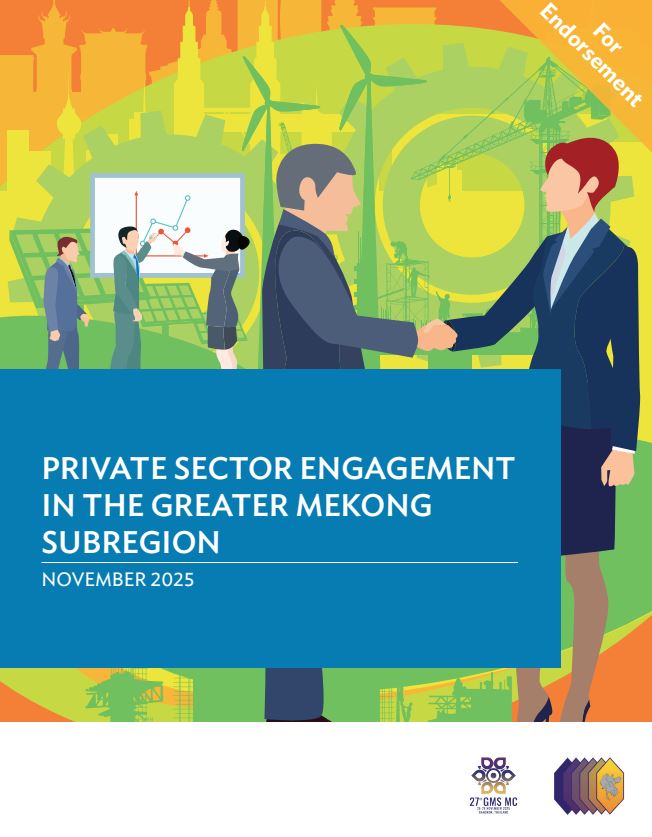
The GMS-BC serves as a mechanism for participation and cooperation among the private sectors of all six GMS countries. It plays a vital role in reflecting the perspectives and proposals of the business community to the GMS cooperation framework, while driving projects and activities that facilitate economic development, trade, investment, and infrastructure connectivity for sustainable growth in the Greater Mekong Subregion. Furthermore, the GMS Business Council supports development in key sectors such as cross-border trade and transport facilitation, logistics and infrastructure development, promotion of small and medium-sized enterprises (SMEs), tourism, agriculture, and the digital economy to enhance the competitiveness of member countries and elevate regional economic connectivity. Members of the GMS Business Council consist of representatives from the chambers of commerce and federations of industries of member countries. For Thailand, representatives from the Joint Standing Committee on Commerce, Industry, and Banking serve as members.
Recent Progress
1. Participation in the 8th Greater Mekong Subregion Summit (8th GMS Summit)
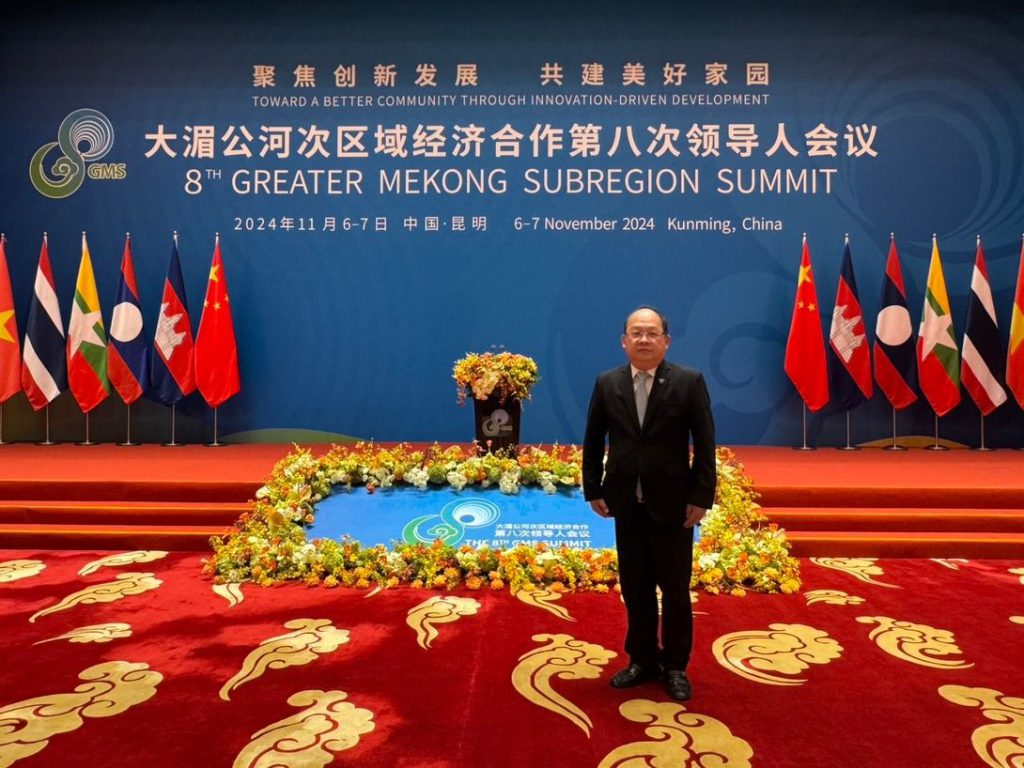
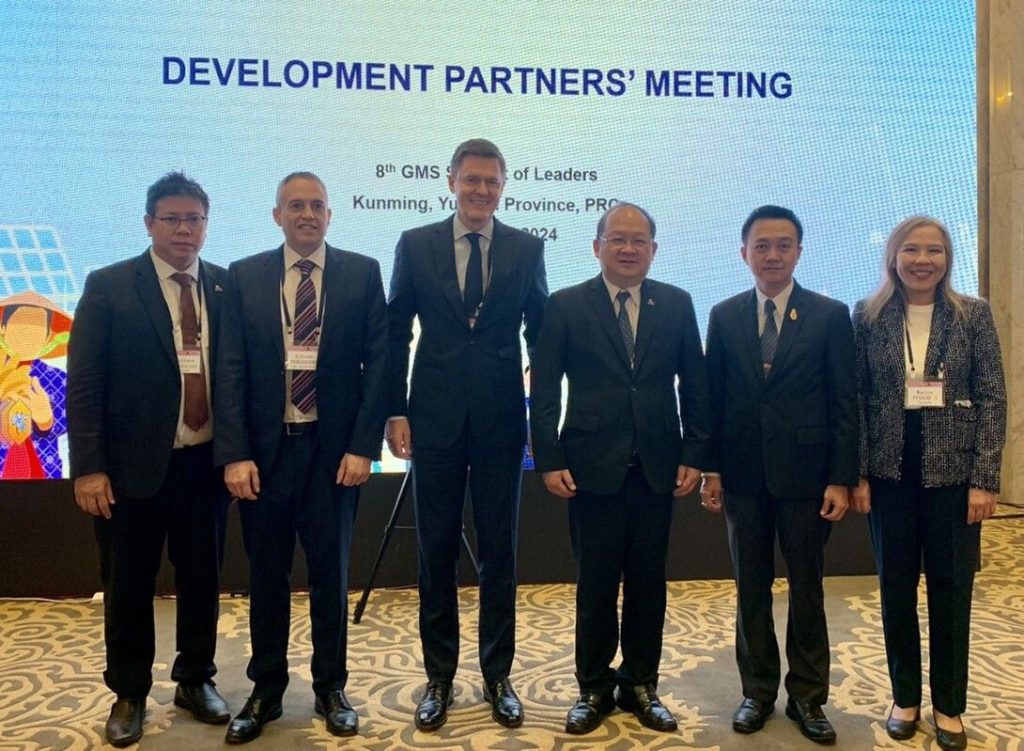
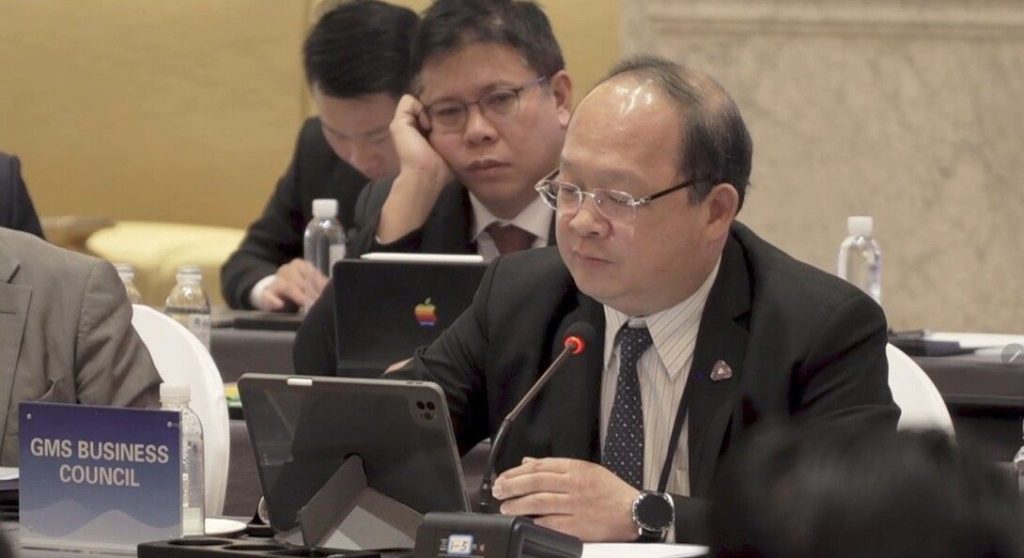
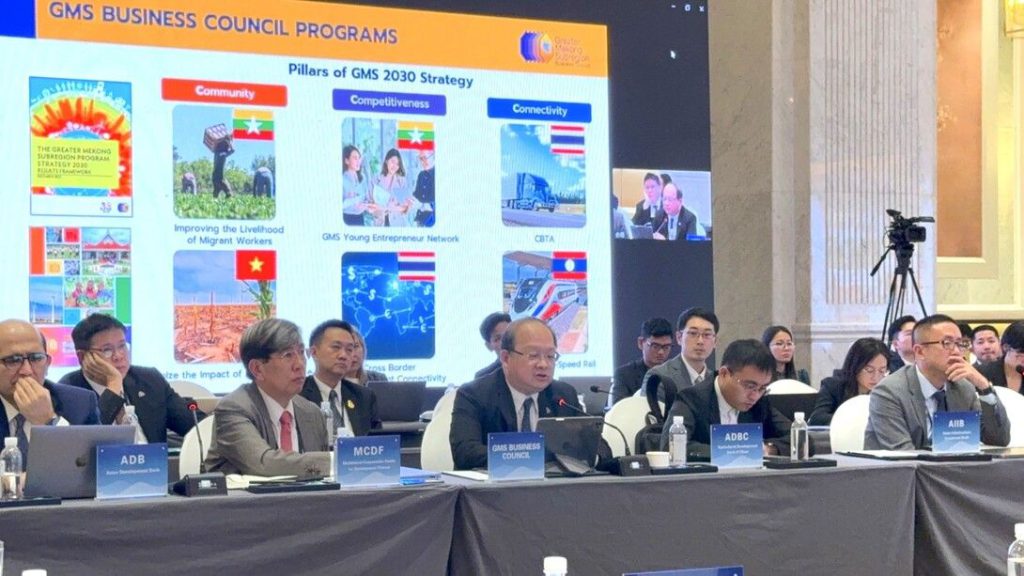
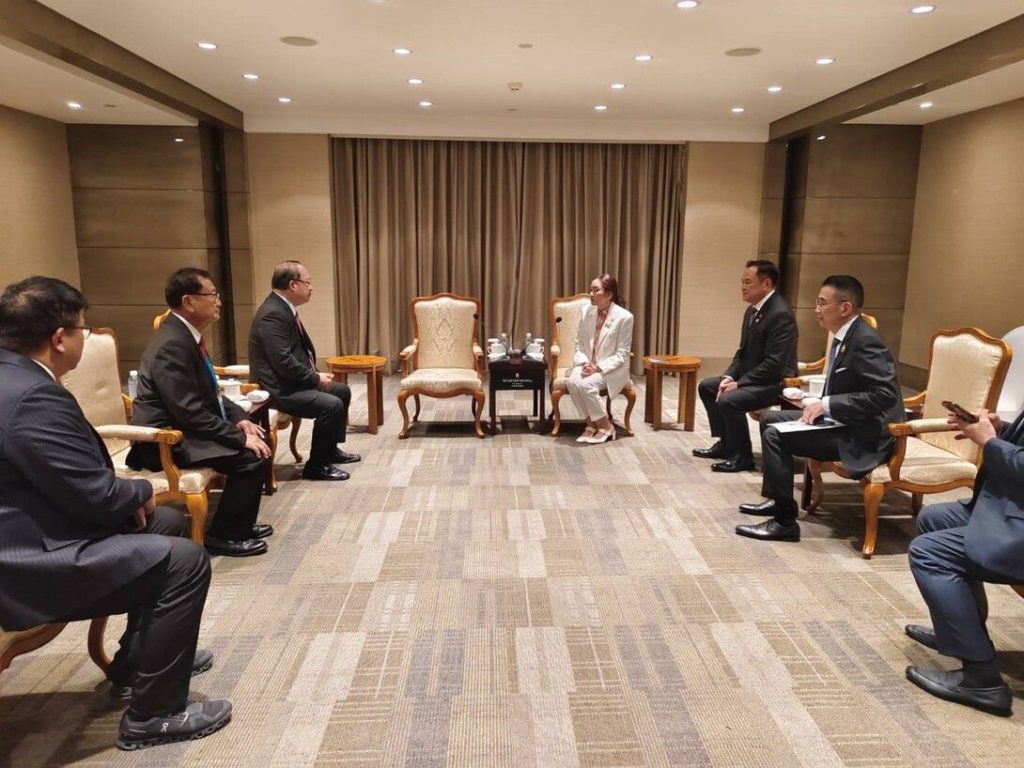
The Chairman of the GMS Business Council Thailand for the 2024–2026 term (Mr. Kriengkrai Thiennukul), in his capacity as Chairman of the GMS-BC and accompanied by the Board of Directors, attended the 8th Greater Mekong Subregion Summit (8th GMS Summit) in Kunming, People’s Republic of China, from November 5–7, 2024.
The GMS Business Council presented concepts for expanding cooperation with the public sector and Development Partners (DP) by promoting mechanisms for private sector participation to enhance the efficiency and effectiveness of operations established by the Asian Development Bank (ADB). The Council reported to the meeting regarding the establishment of a network of experts across various cooperation sectors under the GMS program (Expert Pool) to participate in the work of individual sector working groups. Furthermore, the meeting endorsed the Joint Summit Declaration of the 8th GMS Summit and the GMS Innovation Strategy for Development 2030, aiming to become a community driven by sustainable technology and innovation.
2. Restructuring of the GMS-BC Administration
The Executive Board of the GMS-BC in member countries approved a restructuring of the GMS-BC administration to strengthen the integration of various missions and improve operational efficiency. Under this change, Thailand, represented by the Joint Standing Committee on Commerce, Industry and Banking (JSCCIB), will serve as the Secretariat of the GMS-BC (previously hosted by Lao PDR). However, the GMS-BC Office remains located in Vientiane, Lao PDR. The GMS-BC Office’s mission and duties are to serve as the hub for coordination and communication between (1) the GMS Business Councils of all six member countries, (2) the GMS Secretariat (Asian Development Bank), (3) National Secretariats, and (4) other relevant stakeholders.
3. Hosting the GMS Business Forum 2025
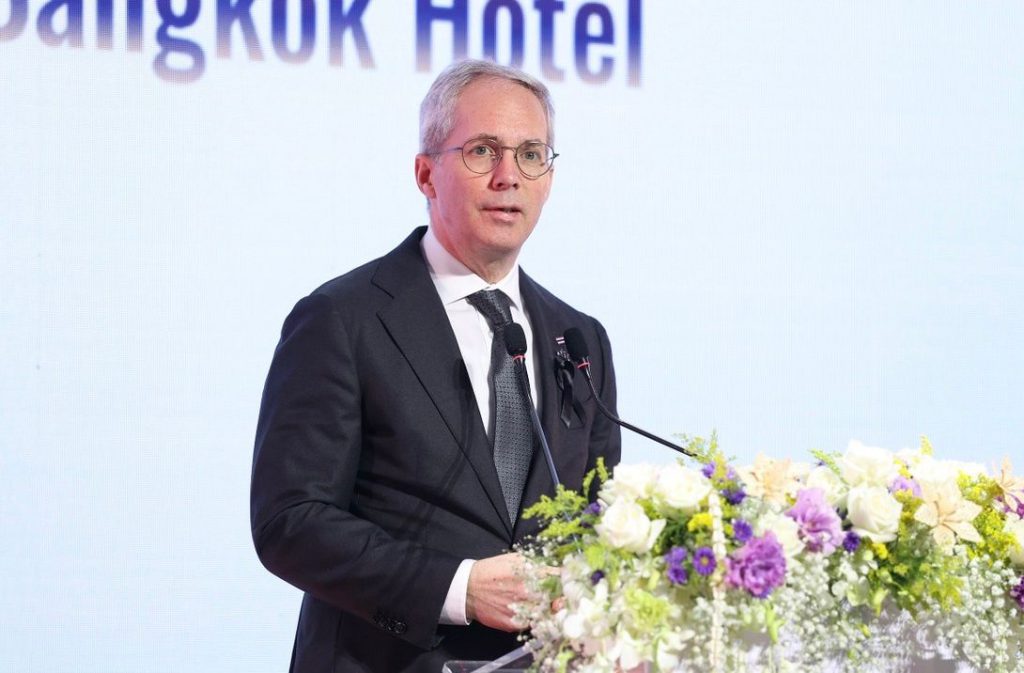
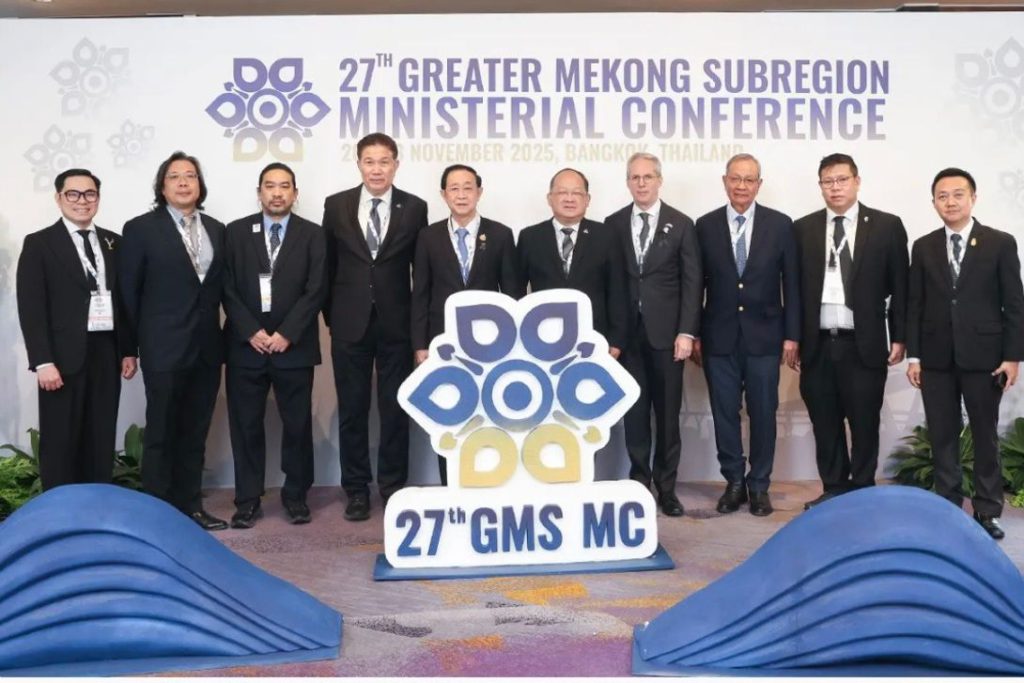
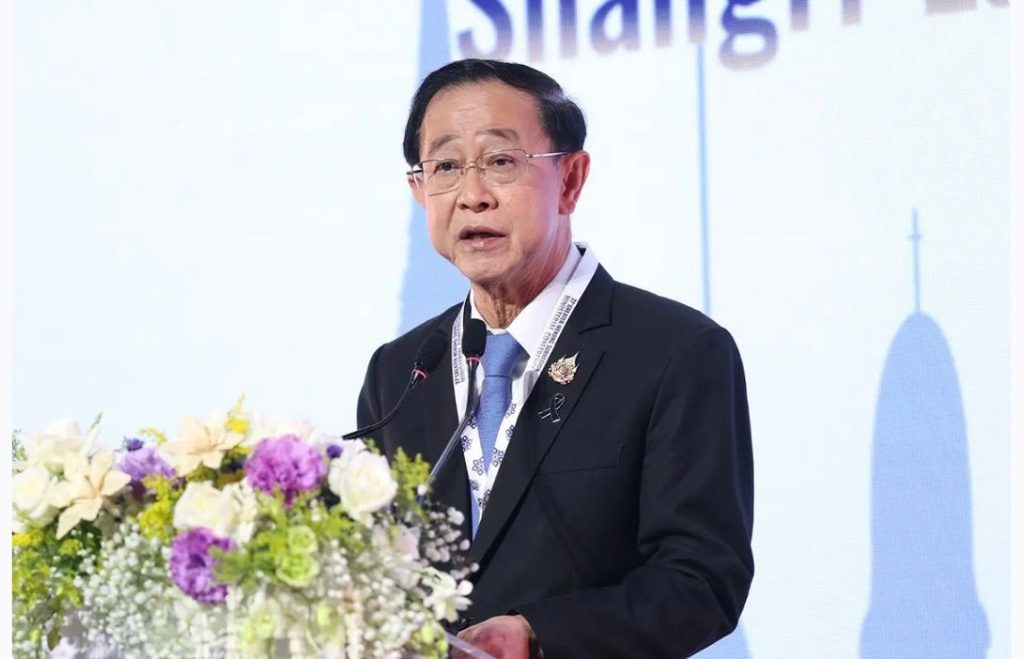
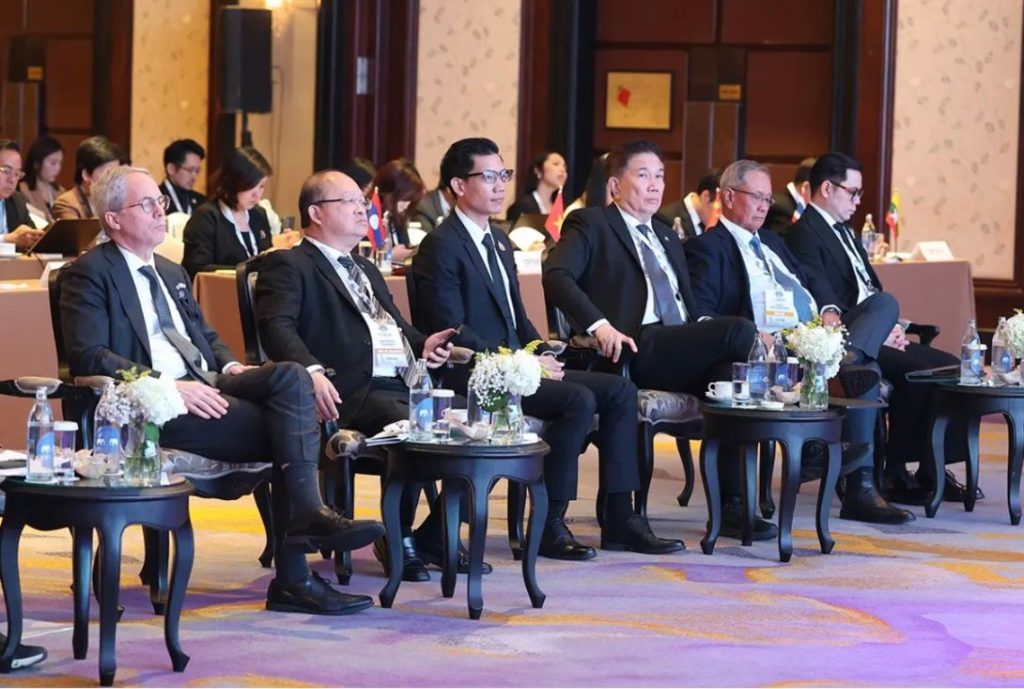
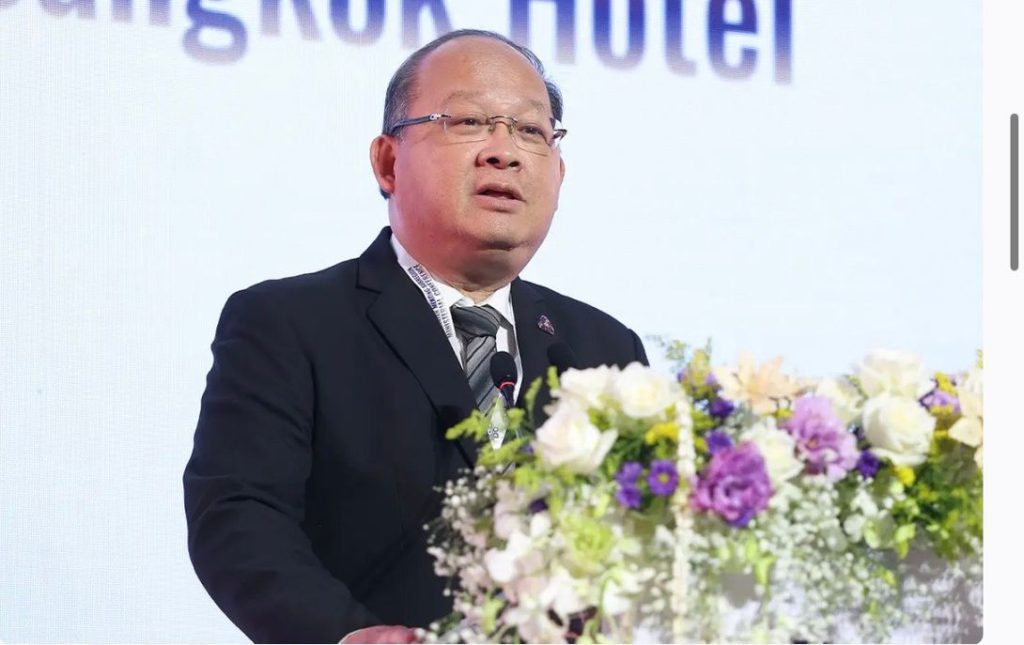
GMS Business Council Thailand hosted the GMS Business Forum 2025 on November 27, 2025, as a side event to the 27th GMS Ministerial Conference (MC-27) at the Shangri-La Hotel, Bangkok. The forum was held under the theme “Greater Mekong Sub-region Business Opportunities and Challenges Under the Changing Economic Landscape.” The event featured a keynote speech by Mr. Arkhom Termpittayapaisith, former Minister of Finance, on the theme’s topic, and was officially opened by Mr. Benjarong Suwankiri, Vice Minister for Finance.
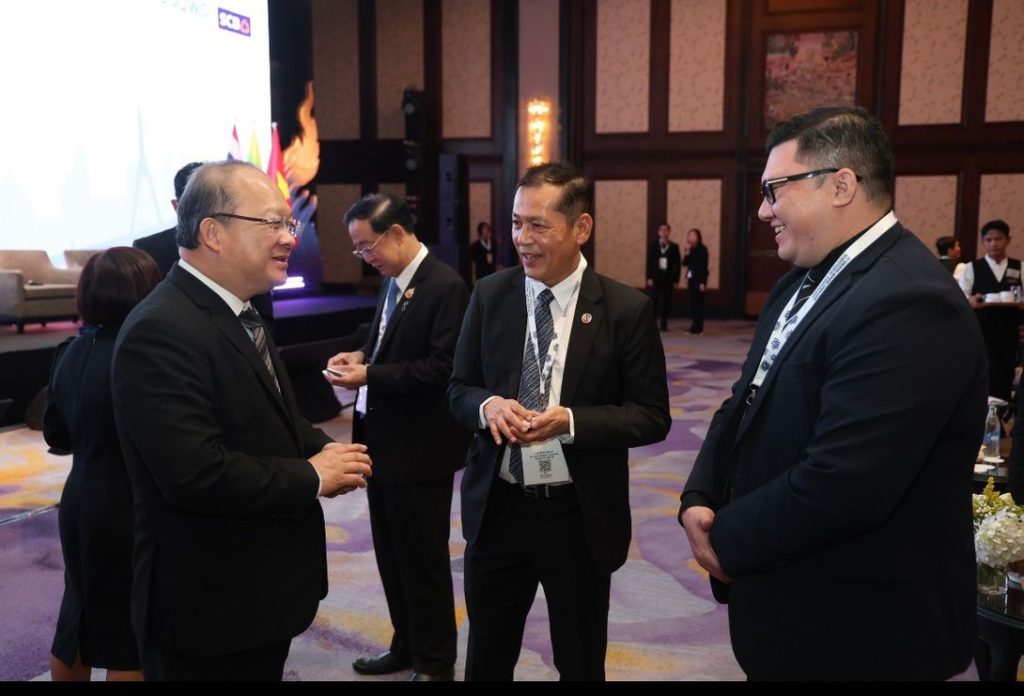
The GMS Business Forum 2025 was attended by 250 participants, including representatives from GMS member countries, Thai government agencies, the private sector from member countries, and various cooperation agencies. The objective was to provide a platform to elevate the role and participation of the private sector within the GMS cooperation framework, while emphasizing its role as a strategic hub for driving the subregion amidst global volatility. The activities were divided into three sessions:
- Session 1: Presentation of the strategic overview and Flagship Projects through cooperation with international financial institutions, such as the Asian Development Bank (ADB).
- Session 2: Brainstorming sessions by experts in each GMS cooperation field across three Investment Tracks to analyze obstacles and formulate recommendations. The outcomes will be presented to the ministerial level. The three investment tracks covering 10 GMS cooperation sectors include:
- (1) Agriculture-Energy-Environment Group: Outcomes include cooperation in smart agriculture systems, cold chain logistics for agricultural products, solar-powered agriculture, renewable energy, and waste-to-energy initiatives.
- (2) Health-Human Resources-ICT and Innovation Group: Outcomes include cooperation on digital platforms and blockchain-based trade, resilient public health systems, the establishment of regional hospital networks, and research collaboration between academic institutions and the industrial sector.
- (3) Transport-Trade and Investment Facilitation-Tourism-Urban Development Group: Outcomes include cooperation on transport economic corridors and logistics hubs, cross-border infrastructure and connectivity, green smart cities and infrastructure, as well as ecotourism and cultural tourism.
- Session 3: Presentation of the summarized outcomes from the three Investment Tracks to the ministerial level to define policies and the 2028–2030 work plan. All outcomes aim to develop public-private partnership models and create a pipeline of investment-ready projects to enhance competitiveness and foster sustainable growth in the region.