Environment
Working Group on Environment
(Working Group on Environment (WGE)
Main Agency: Ministry of Natural Resources and Environment
Background and Principles
The Greater Mekong Subregion (GMS) faces environmental challenges resulting from intensive natural resource utilization, pollution, climate change, and natural disasters. These factors may impact ecosystems, food security, public health, and the region’s long-term economic development.
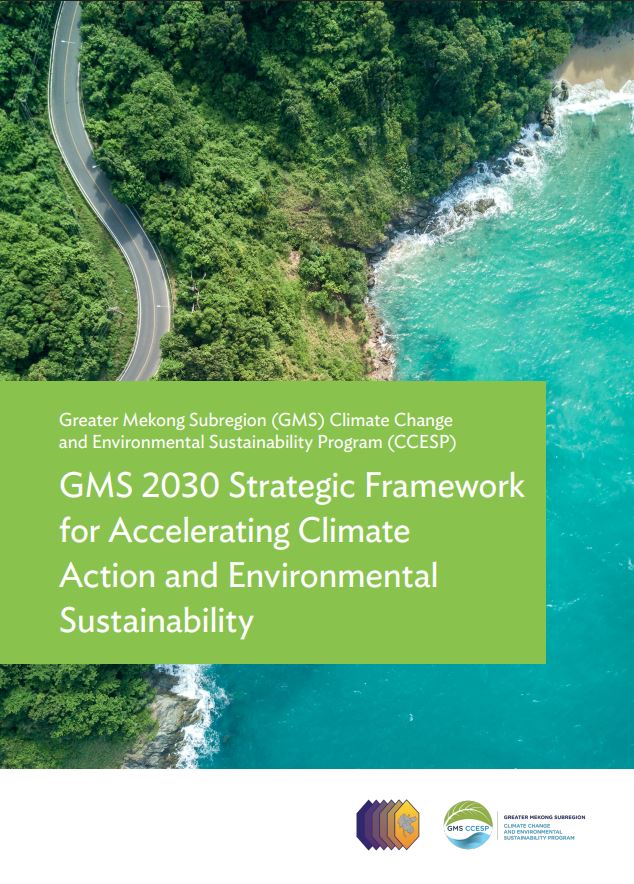
Under the GMS 2030 strategic framework, member countries prioritize strengthening environmental sustainability and climate resilience through the use of green technologies, natural resource conservation, and disaster risk management. The GMS Climate Change and Environmental Sustainability Program (CCESP), under the GMS Core Environment Program (CEP), supports environmental cooperation, low-carbon economic development, sustainable pollution and waste management, and the use of digital technologies to support environmental operations.
Recent Progress
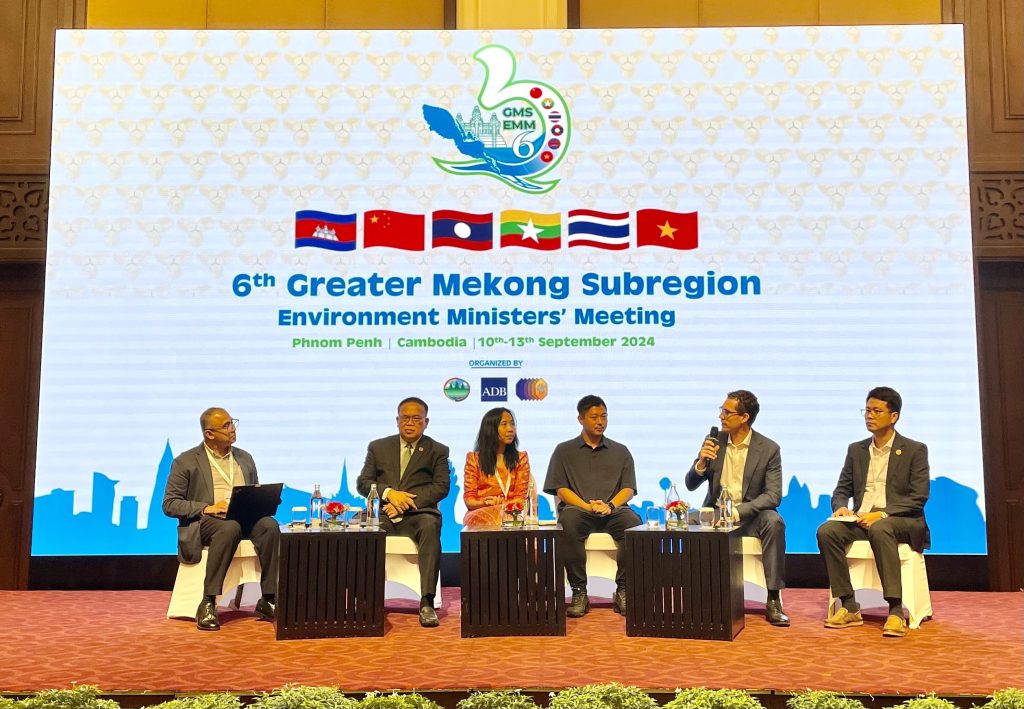
Progress has been made in driving the implementation of the GMS Climate Change and Environmental Sustainability Program (CCESP) 2020–2028. The 29th GMS Working Group on Environment Annual Meeting (GMS WGE AM-29) was held on December 2–3, 2025, in Kunming, People’s Republic of China, to review progress and set the direction for GMS environmental operations under the theme “Accelerating Biodiversity Conservation, Low-carbon Transition, and Climate Resilience in the Greater Mekong Subregion through Nature-based Solutions.” Additionally, guidelines were jointly developed for the transition from the CCESP program to the GMS Strategic Framework 2030 for Accelerating Climate Action and Environmental Sustainability to strengthen cooperation in biodiversity conservation, the transition to a low-carbon economy, and the enhancement of the region’s long-term climate resilience.