
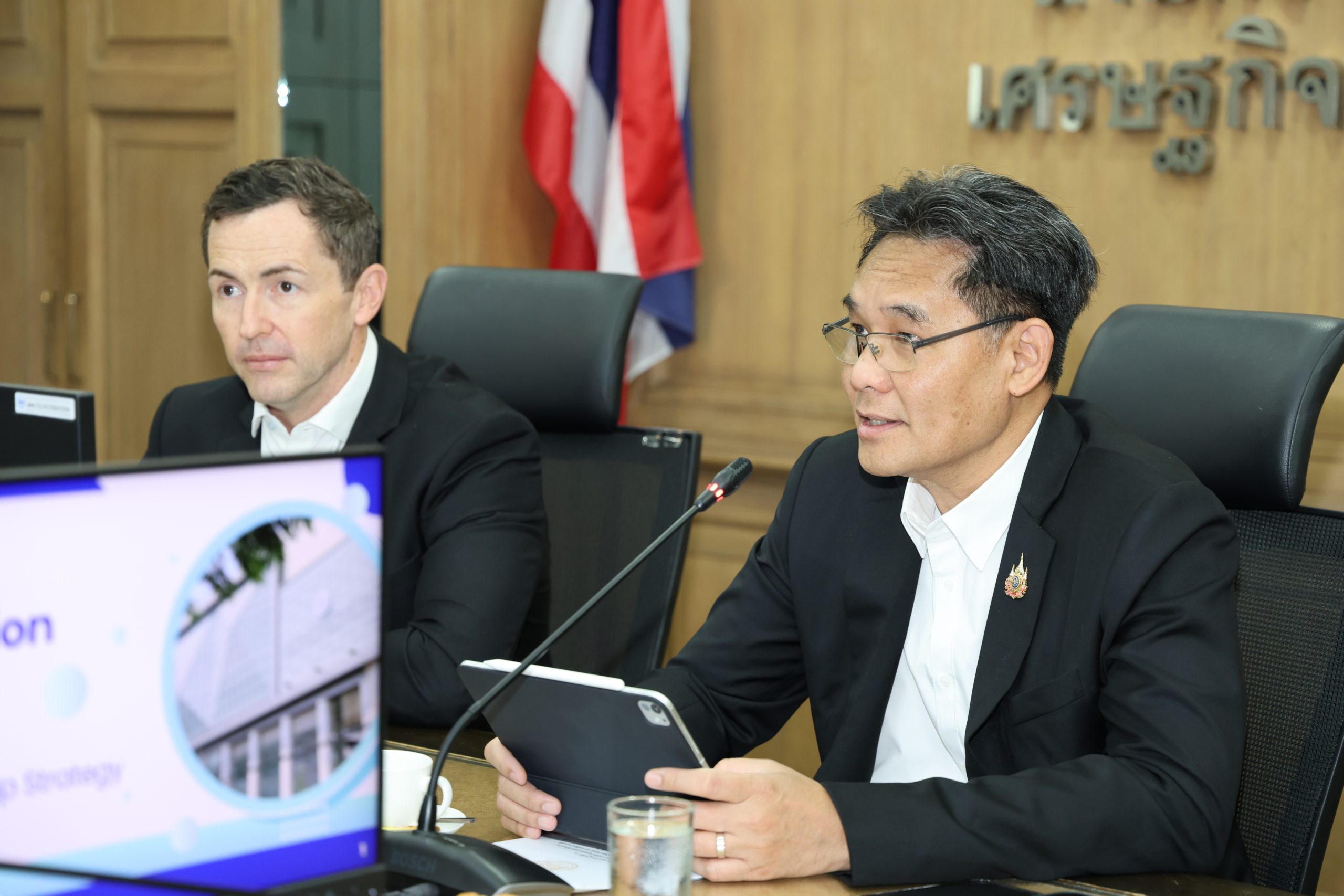
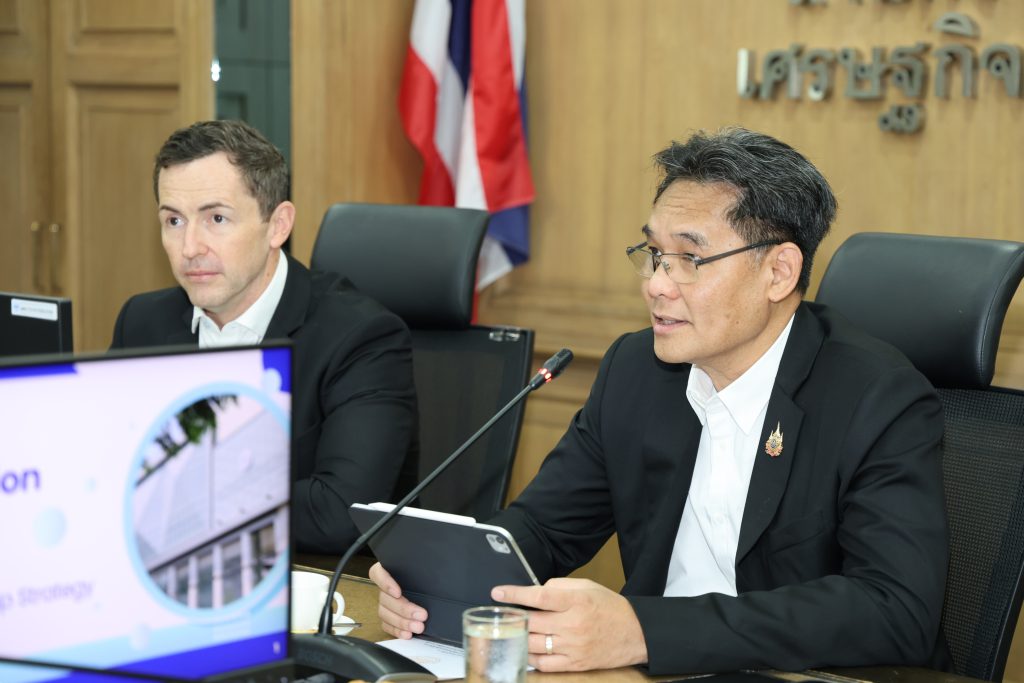
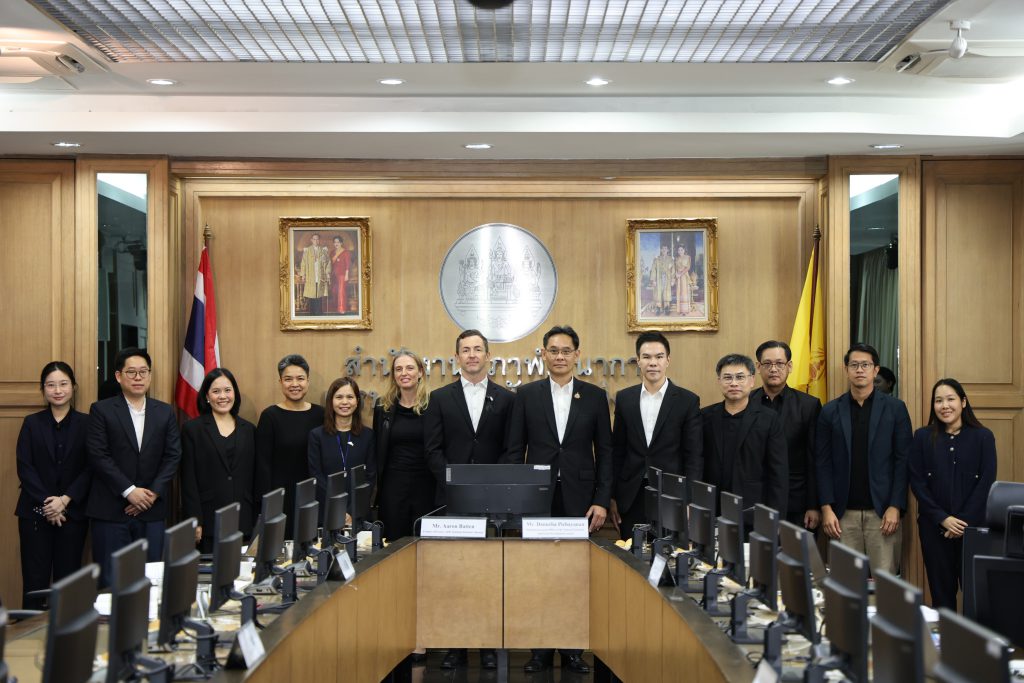
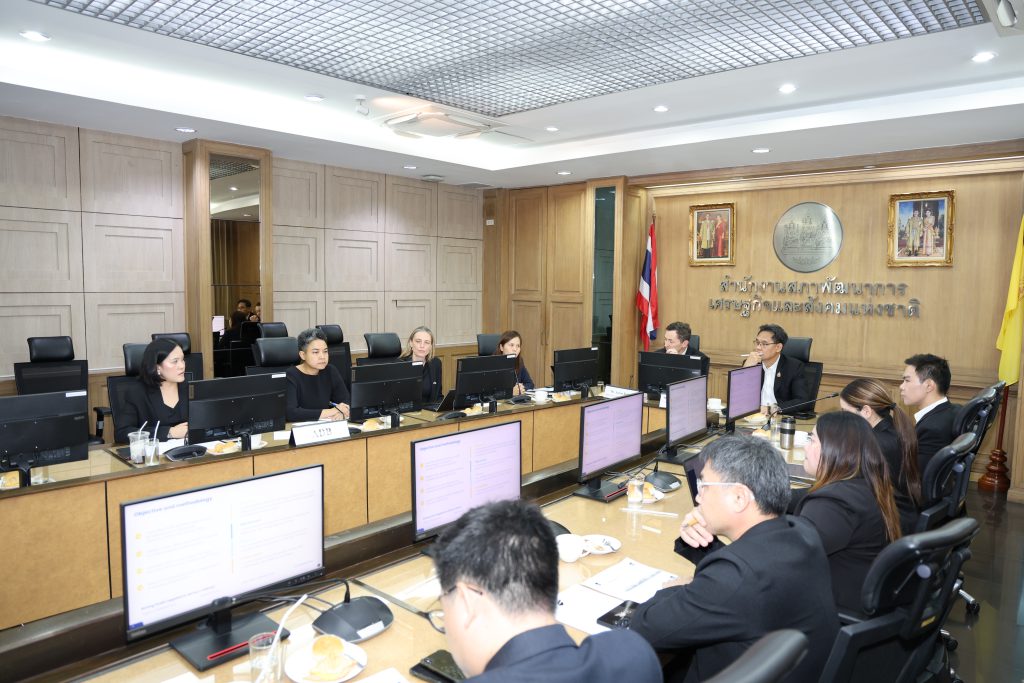
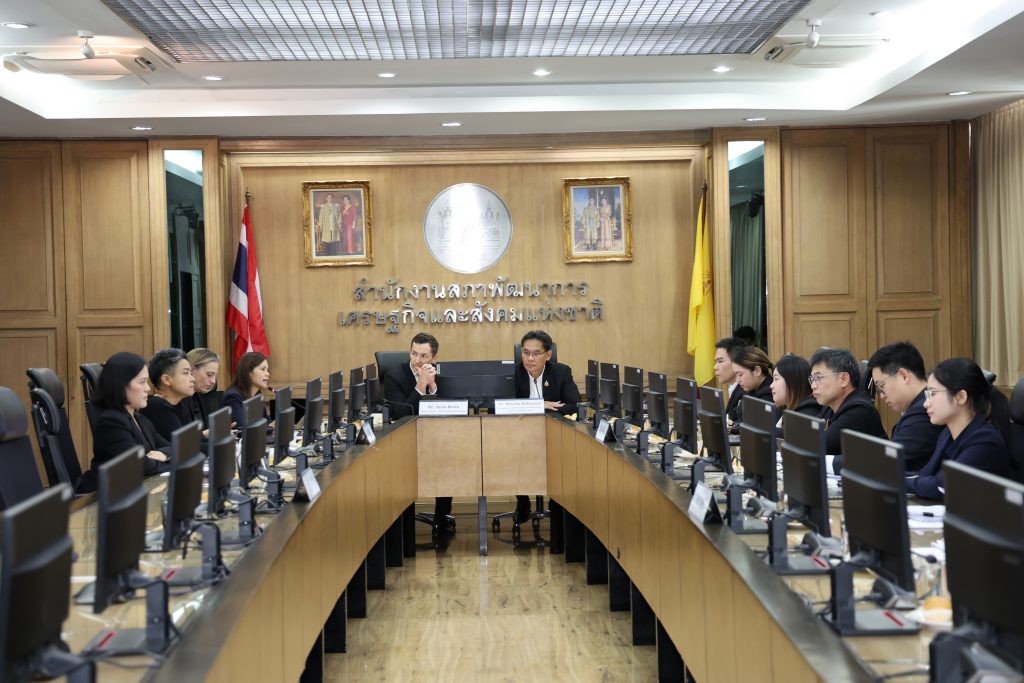
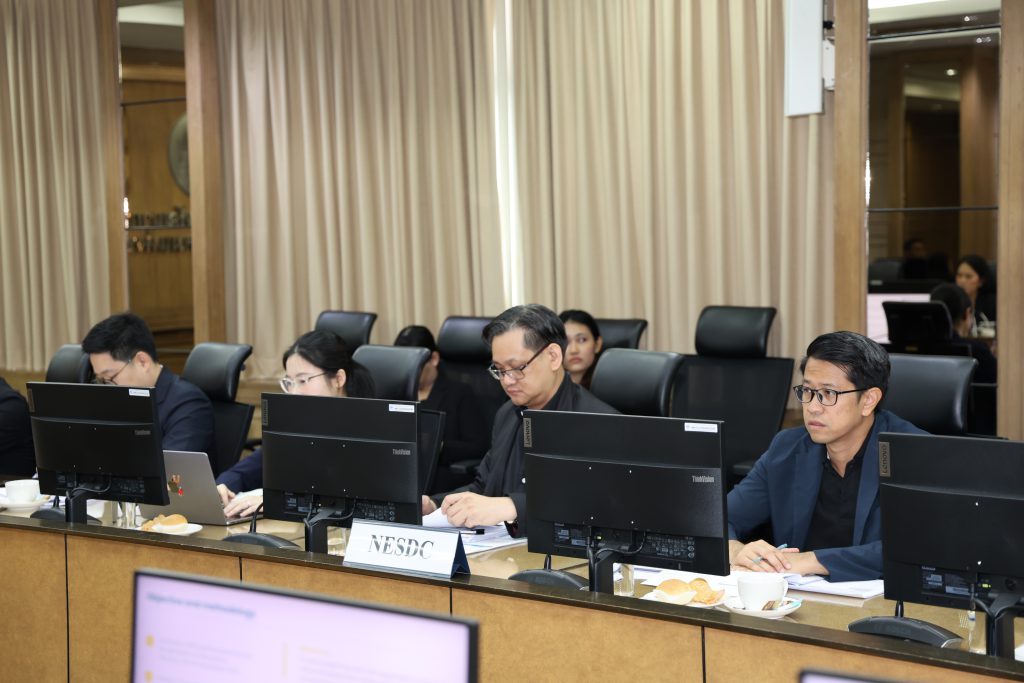
On June 24, 2026, the Office of the National Economic and Social Development Council (NESDC), led by Mr. Danucha Pichayanan, Secretary-General of the NESDC, and the Asian Development Bank (ADB), led by Mr. Aaron Batten, Country Director of the ADB Thailand Resident Mission, co-chaired a workshop to gather in-depth feedback from the Thai side on the draft Country Partnership Strategy (CPS) 2027–2032 prepared by the ADB.
The objective of this meeting was to exchange views and provide recommendations on the new draft CPS to ensure it effectively aligns with Thailand’s development context and long-term goals, particularly in strengthening domestic resilience, enhancing economic competitiveness, and increasing Thailand’s confidence on the global stage. Furthermore, the draft CPS framework is linked to the draft 14th National Economic and Social Development Plan, which focuses on increasing the country’s productivity and competitiveness by driving development mechanisms across economic, public sector, human capital, natural resources and environment, and technology and innovation dimensions.
The ADB presented a draft strategy aimed at supporting a dynamic, inclusive, and resilient Thailand through approaches that promote green industries and innovation, distribute wealth to regions and households, and strengthen environmental resilience. Additionally, it prioritizes cross-cutting issues such as digital transformation, regional cooperation, and the promotion of social equality.
On this occasion, the NESDC provided comments and suggestions on the draft CPS to make it more comprehensive and relevant to the country’s development direction within a dynamic and constantly changing global context. The NESDC noted that the draft strategy contains comprehensive principles capable of supporting the country’s development goals. However, the NESDC proposed additional considerations, such as the transition to a green economy, enhancing productivity and competitiveness at both national and local levels, developing economic tools to support in-depth analysis, and developing carbon credit markets and related mechanisms. This also includes promoting small and medium-sized enterprises (SMEs), specifically by upgrading their standards and competitive potential to better integrate them into value chains.
Regarding social aspects, the NESDC suggested considering the longevity economy, which is playing an increasingly important role due to rapid demographic shifts. This includes logistics connectivity with neighboring countries, which should prioritize both hard infrastructure and the development of regulations, standards, and related service systems (soft infrastructure) to enhance competitiveness and effectively drive regional connectivity.
The NESDC also emphasized the ADB’s role as a strategic partner with the potential to support policy, knowledge development, resource mobilization, and the linking of various sectors to ensure Thailand’s development achieves concrete results and can firmly address structural challenges.
Subject: Strategic Planning and International Cooperation Coordination Division
Office of the National Economic and Social Development Council
Photo: Methinya Wongpakdee