
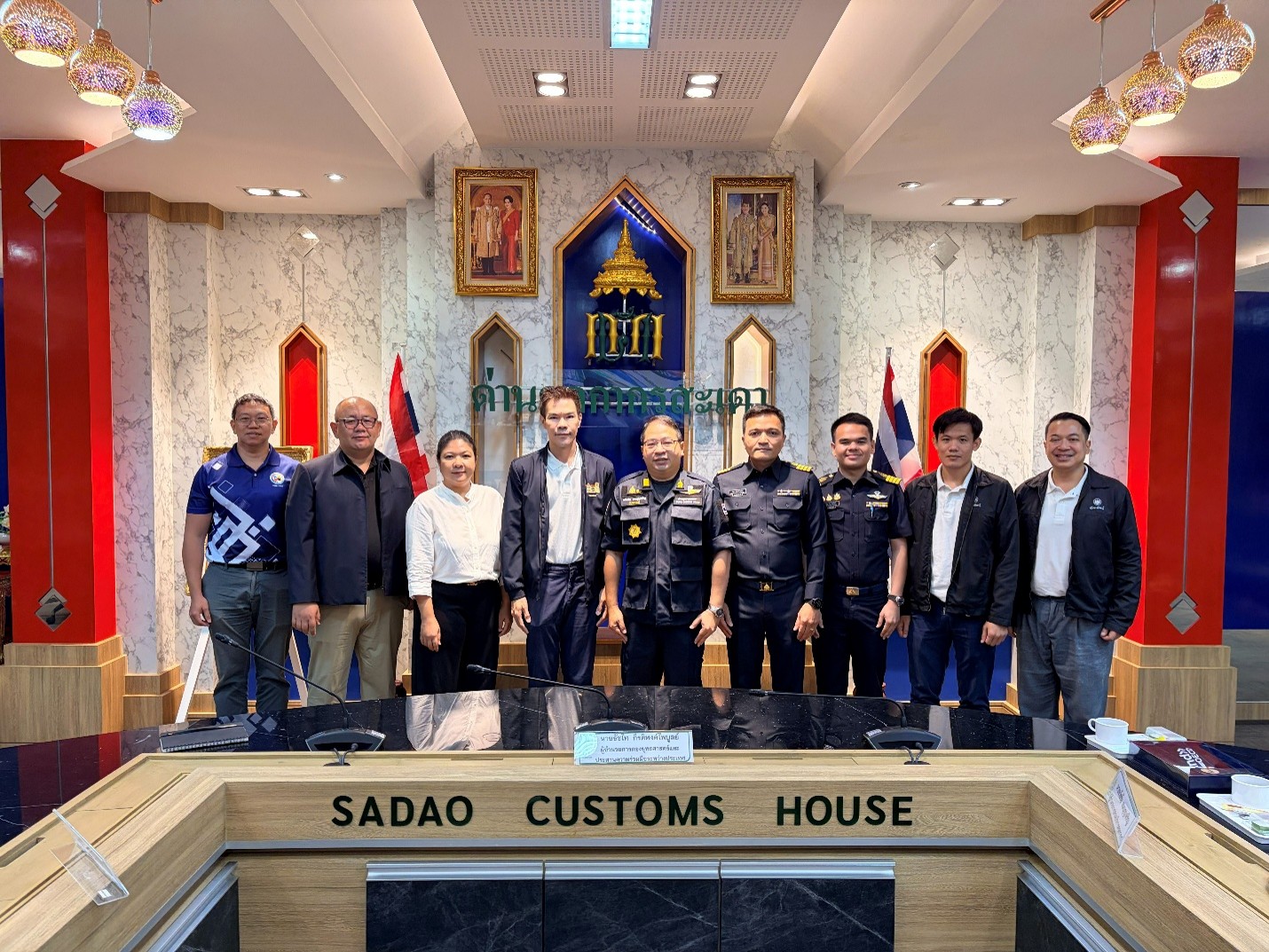
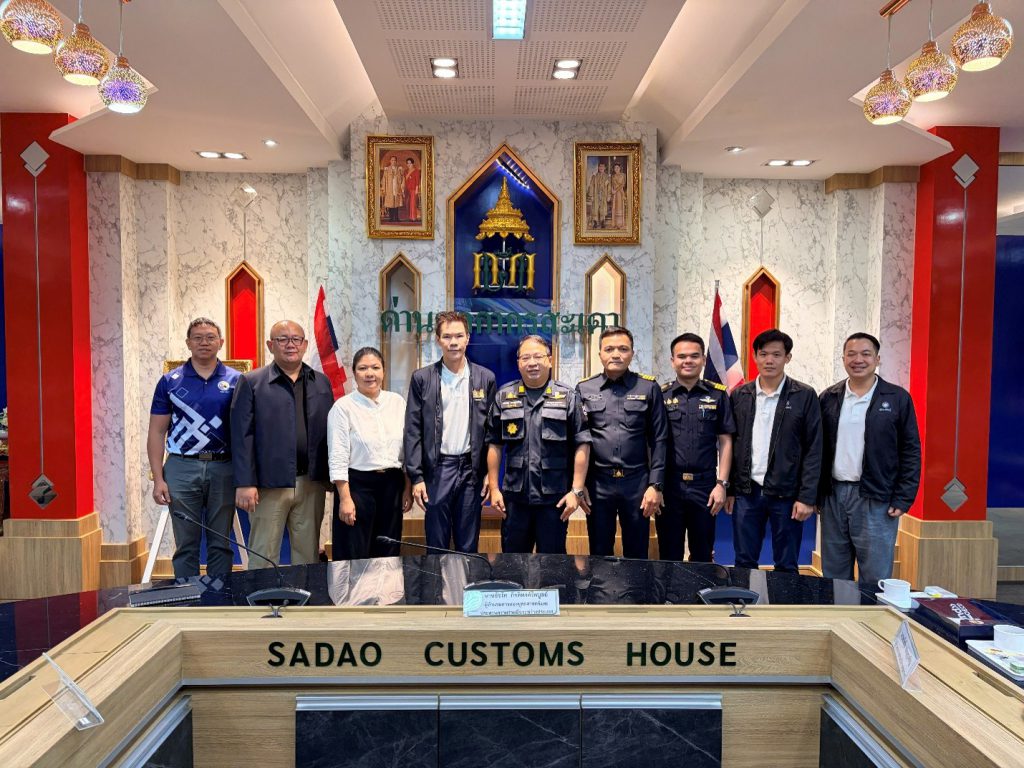
The Office of the National Economic and Social Development Council (NESDC) conducted a project to drive local cooperation and survey the economic corridors of the IMT-GT program in Songkhla Province. The delegation was led by Mr. Thatchai Keeratiphongphaiboon, Director of the International Strategy and Cooperation Coordination Division (ISCD), along with ISCD staff, from November 2–3, 2026. Ms. Duangrutai Suraksa-jinda, Deputy Director of the Centre for IMT-GT Subregional Cooperation (CIMT), and the secretariat team for the Chief Ministers and Governors’ Forum (CMGF) under Thailand’s IMT-GT framework also participated. The project consisted of two parts: 1) a field survey of the IMT-GT economic corridors and 2) meetings to discuss driving the IMT-GT program at the local level.
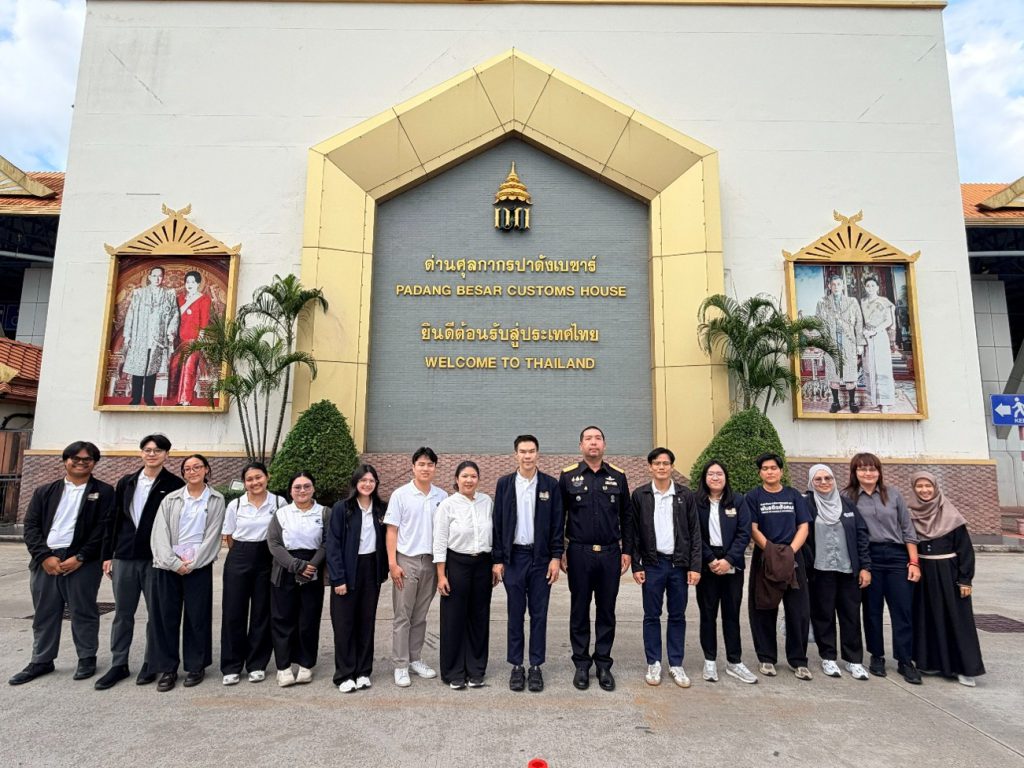
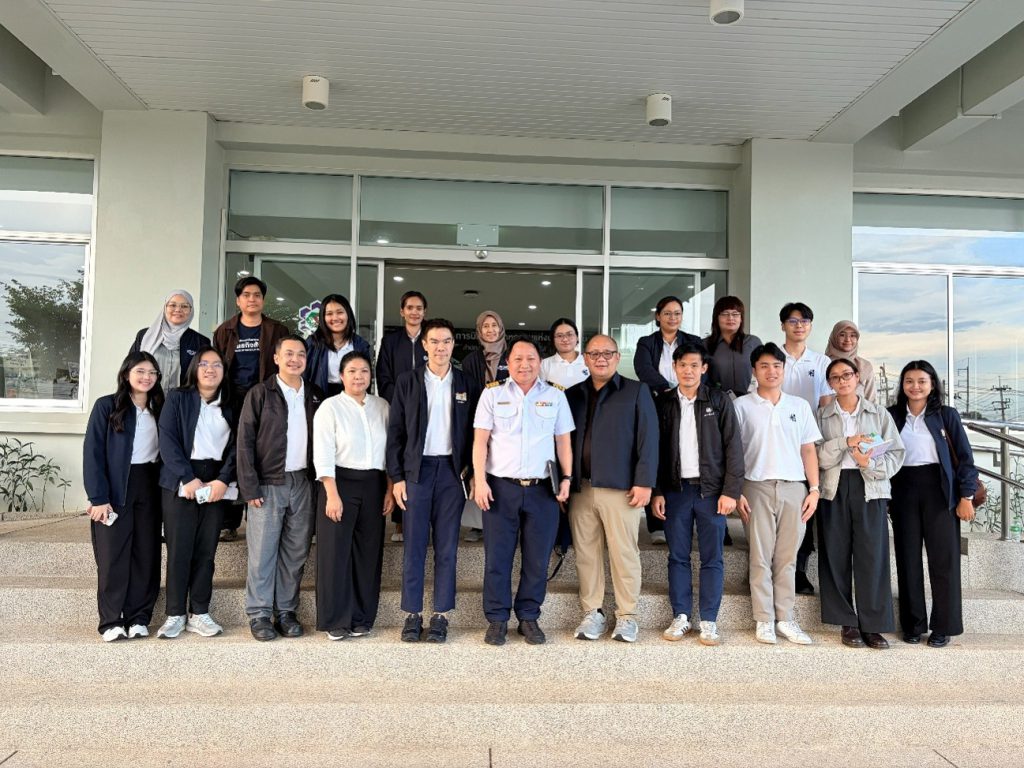
The field survey of the IMT-GT economic corridors took place on November 2, 2026. The delegation, comprising representatives from NESDC, CIMT, and CMGF, visited the area to observe progress, identify constraints, and listen to suggestions regarding key Physical Connectivity Projects (PCPs) along Economic Corridor 1 (Songkhla–Penang–Medan). Local agency representatives presented four key projects: (1) the new Sadao Customs House, (2) industrial estates in the Songkhla Special Economic Zone, (3) the Padang Besar Customs House, and (4) the Rubber City project in Songkhla. This monitoring visit is a vital step in enhancing the implementation pro
cess and direction of Thailand’s PCPs under the IMT-GT framework to achieve more concrete results.
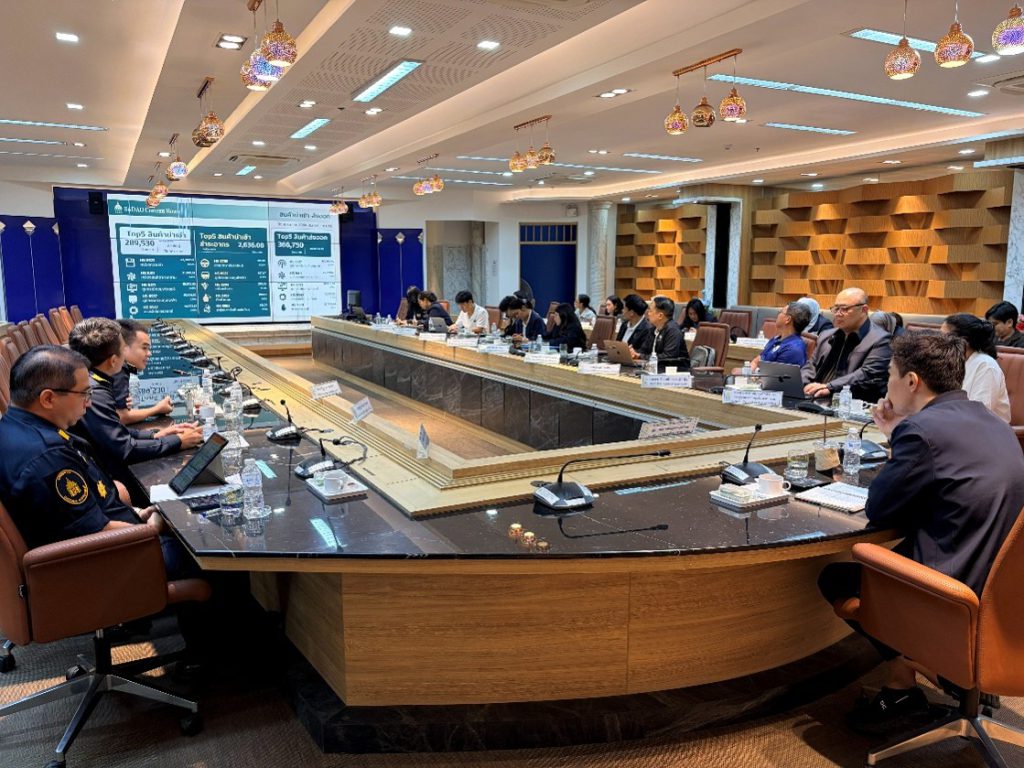
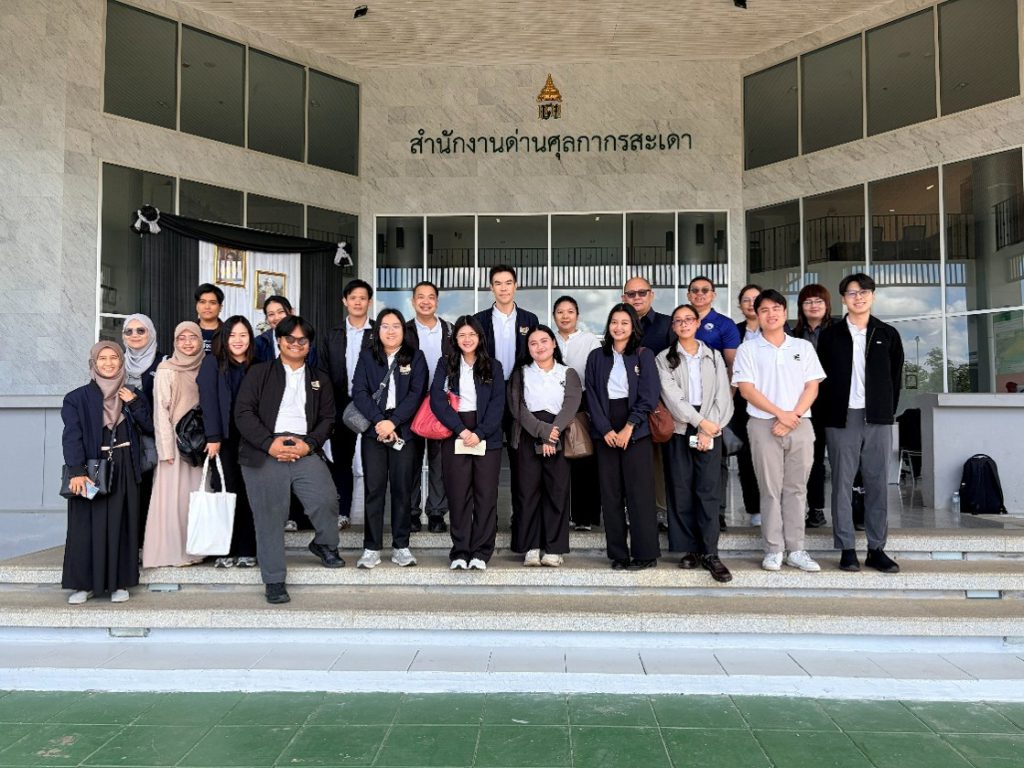
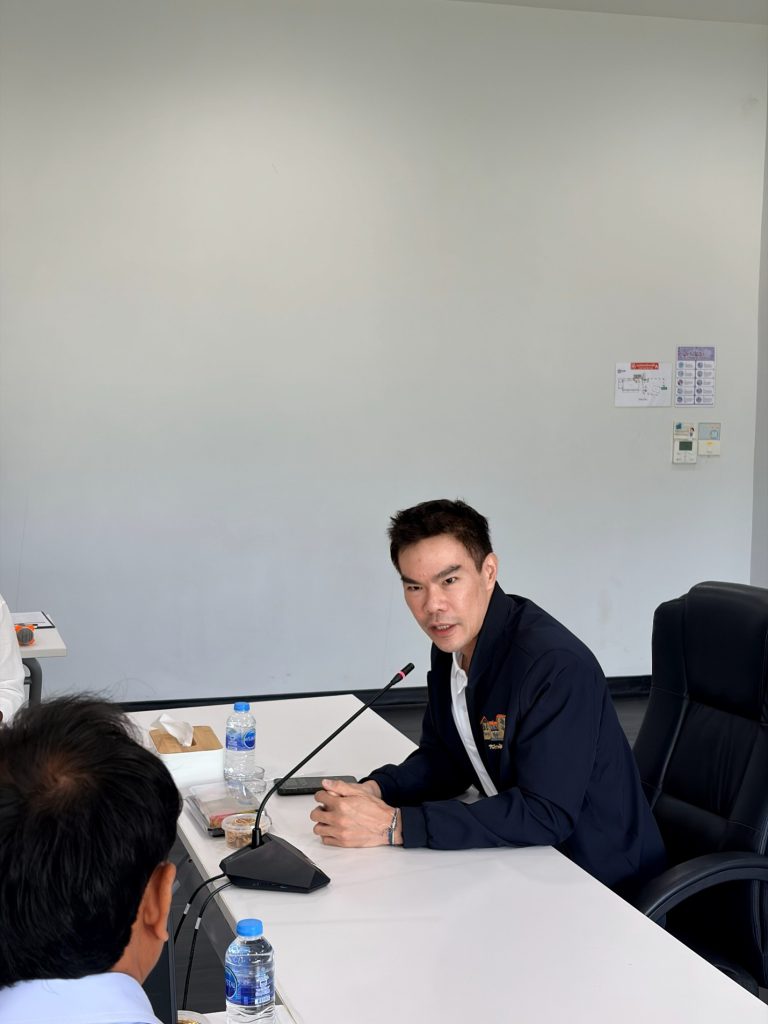
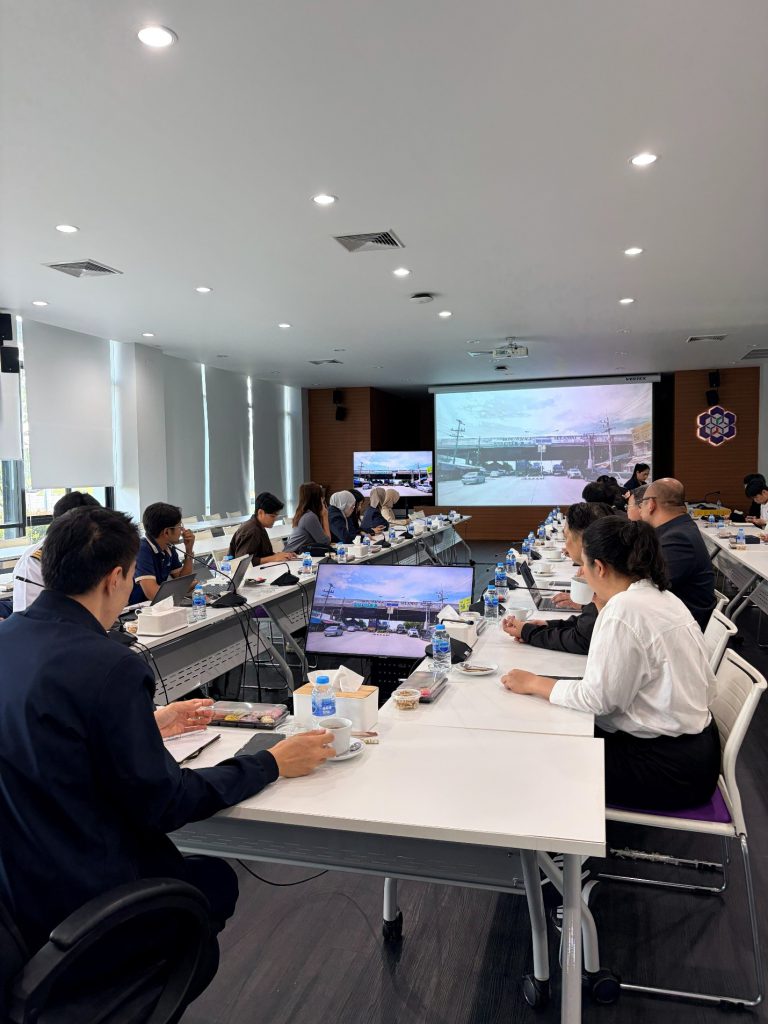
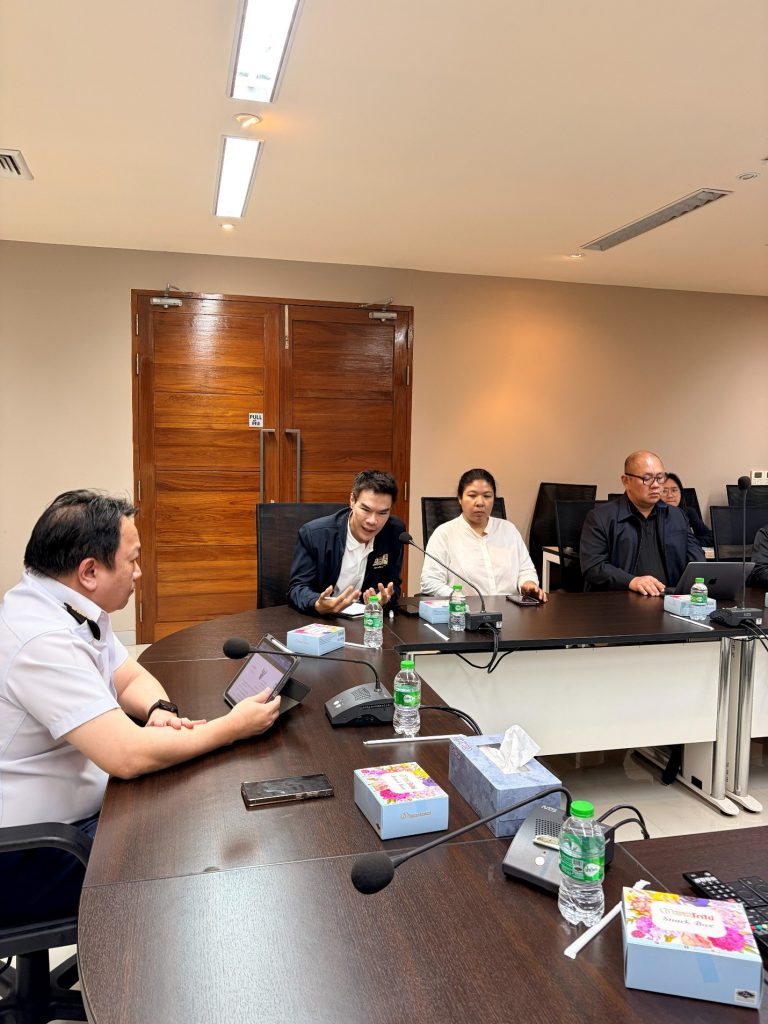
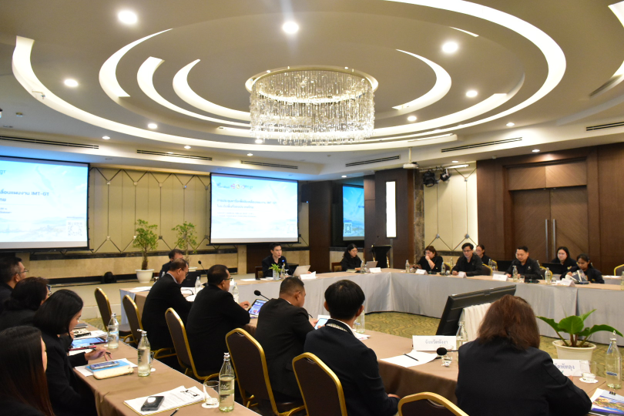
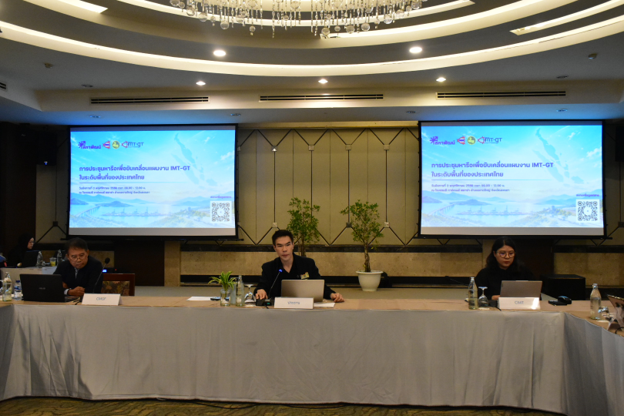
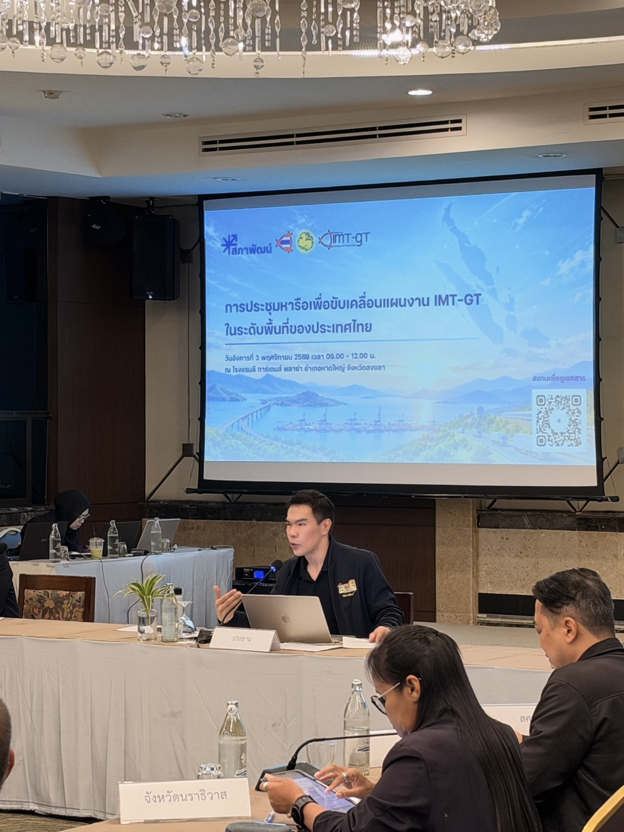
The meetings regarding the local implementation of the IMT-GT program were held on November 3, 2026. The morning session featured a consultative meeting to drive the IMT-GT program at the local level in Thailand. Participants included representatives from 14 southern provinces, the Southern Border Provinces Administrative Centre (SBPAC), the Bureau of the Budget, and the NESDC Southern Economic and Social Development Office (Ms. Janista Jullasuwan, Provincial Strategic Planning Expert). The meeting acknowledged the IMT-GT’s strategic direction, which prioritizes accelerating concrete outcomes alongside local operations through the Economic Corridor development framework. This aims to create linkages between cities and economic zones while integrating local development mechanisms with the IMT-GT program. The afternoon session consisted of a workshop to develop the 5-year Implementation Blueprint (IB 2027-2031) for the IMT-GT at the local level, where public and private sector representatives shared their views on the direction for the next five years.
As the National Secretariat for the IMT-GT, NESDC will compile the data, opinions, and suggestions gathered from this visit and the meetings to further enhance the concrete implementation of Thailand’s IMT-GT program in the next phase.
International Strategy and Coordination Division
Office of the National Economic and Social Development Council