
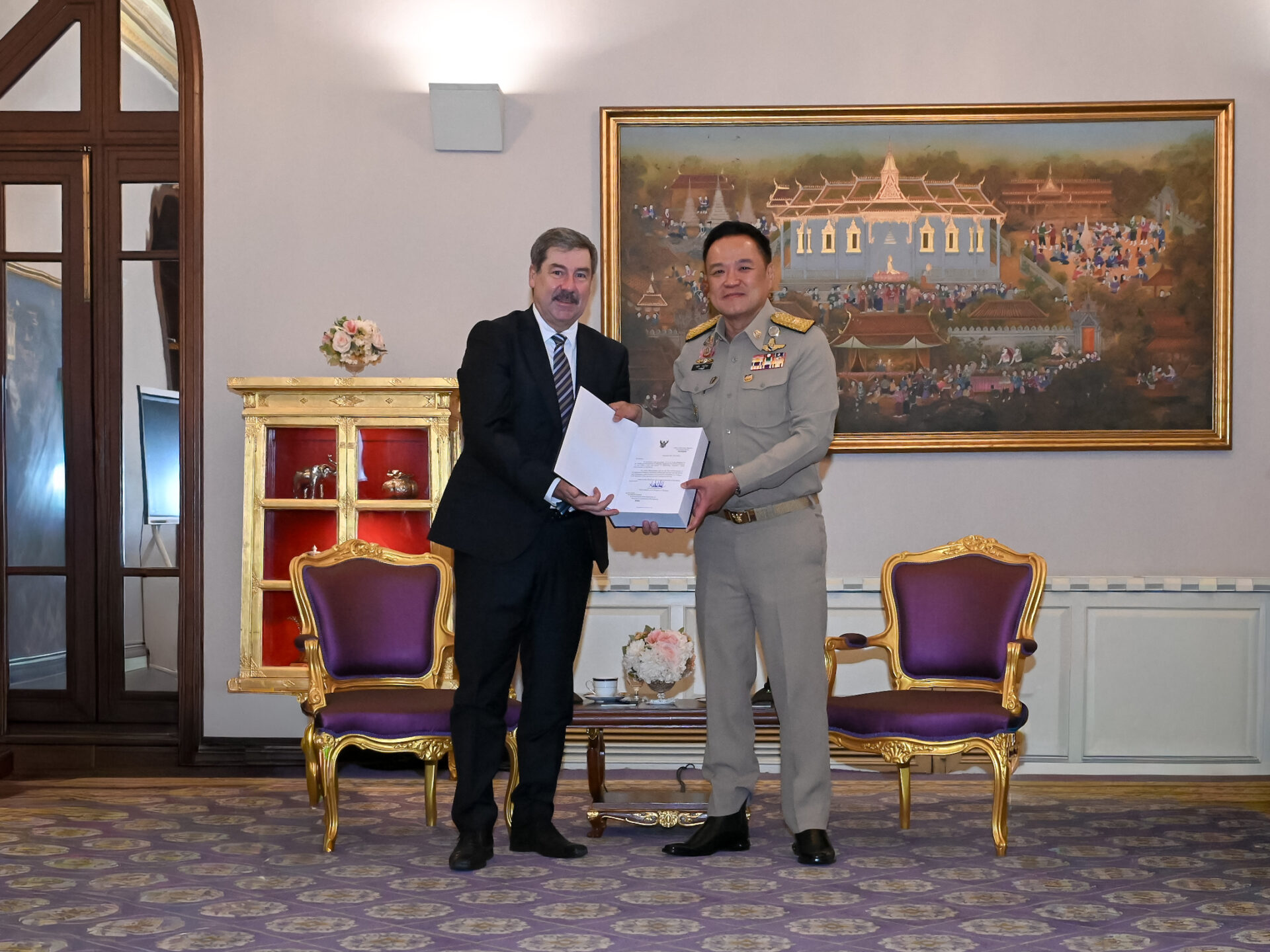
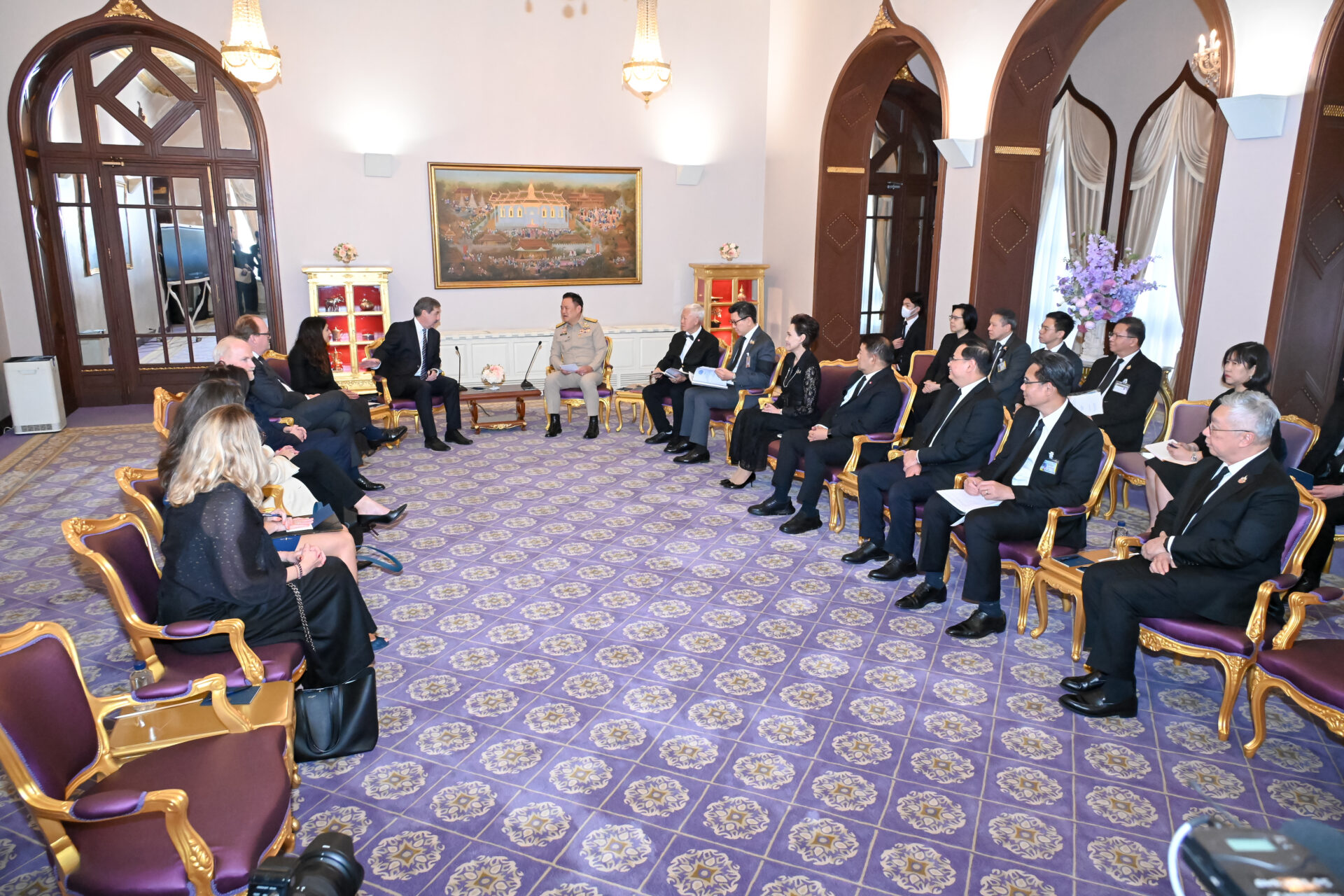
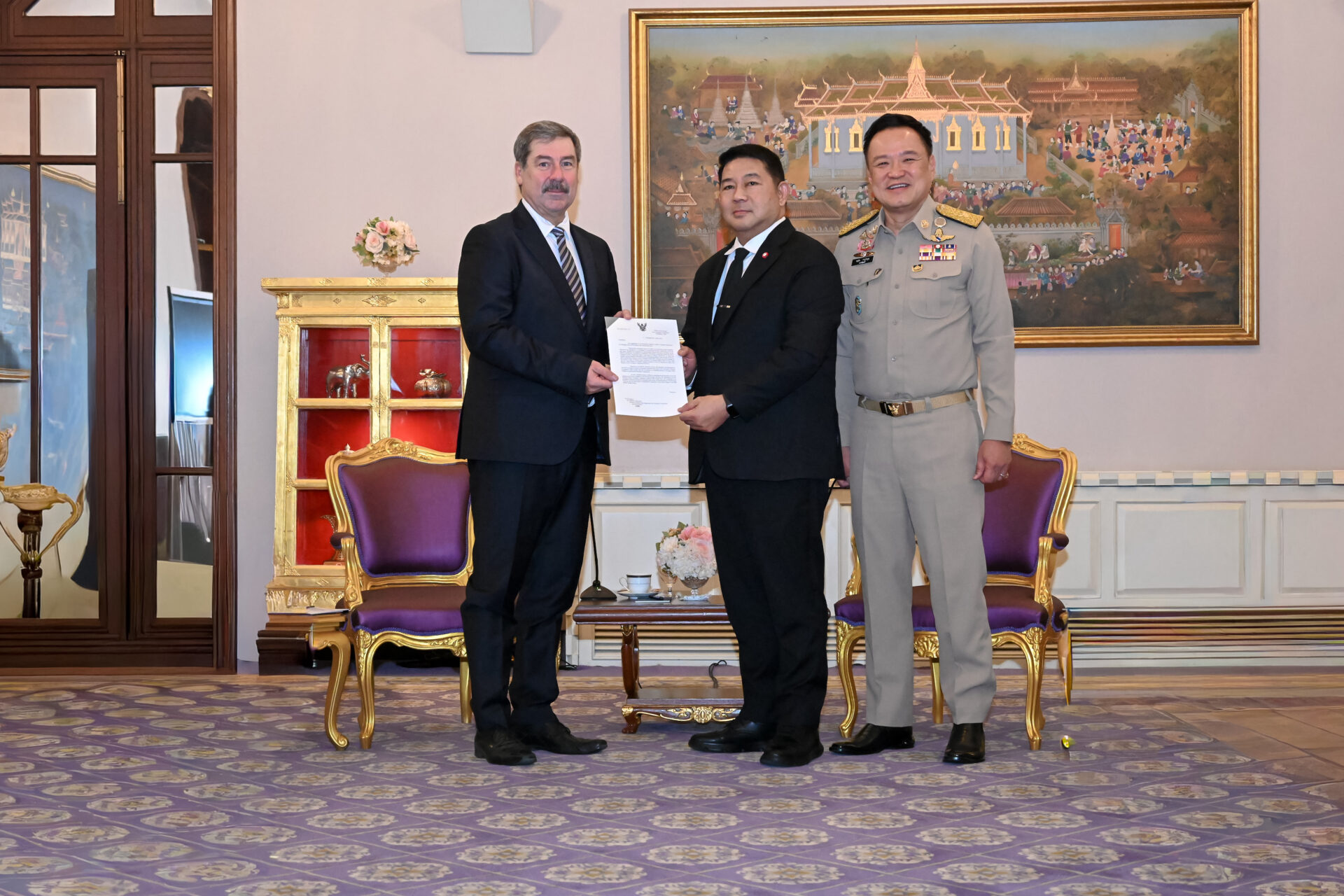
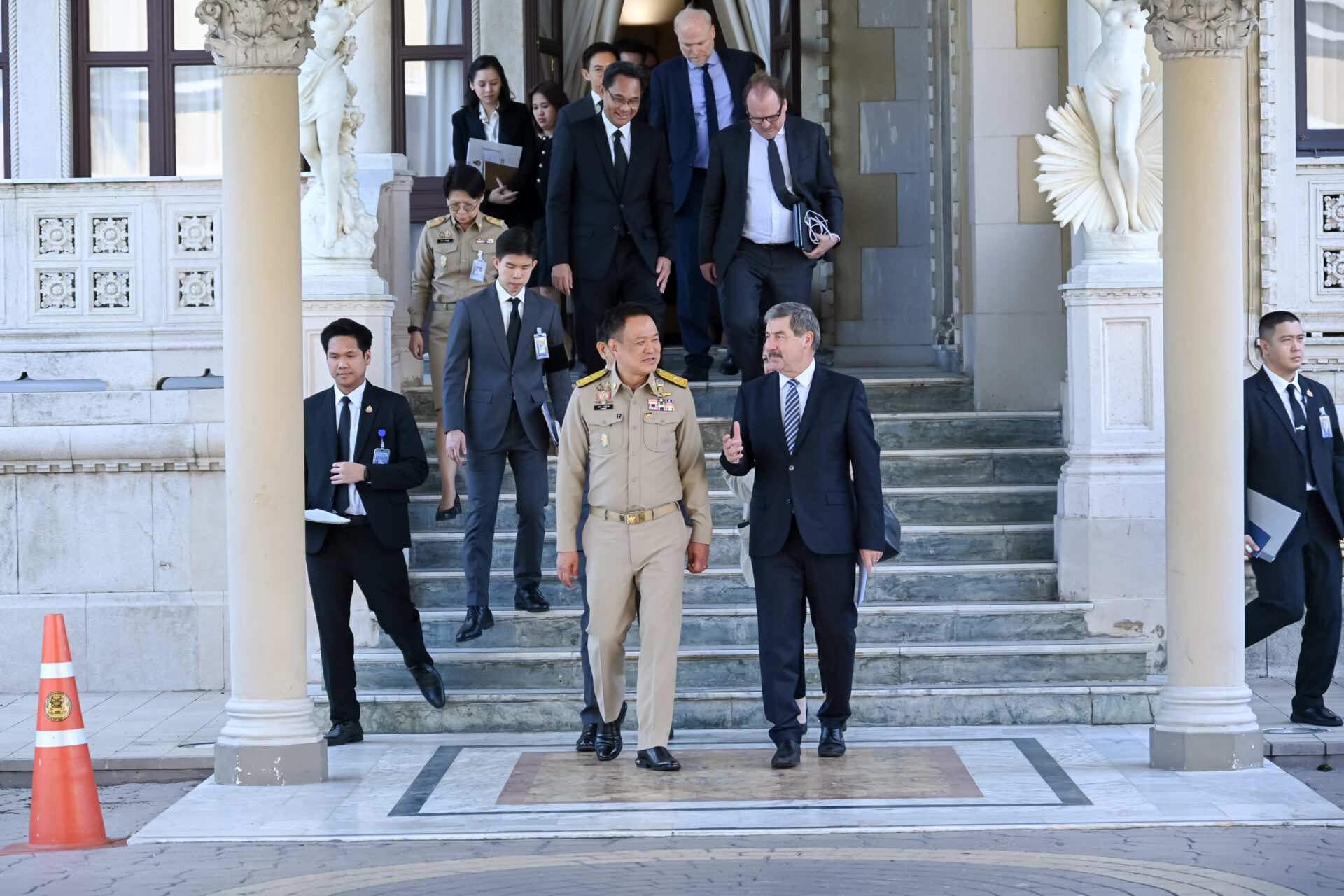
On December 8, 2025, Prime Minister Anutin Charnvirakul submitted Thailand’s Initial Memorandum (IM) to Mr. Frantisek Ruzicka, Deputy Secretary-General of the Organisation for Economic Co-operation and Development (OECD) during his visit to Thailand to pay a courtesy call on the Prime Minister and meet with Thai high-level representatives, as well as to receive the Initial Memorandum, which is a document assessing Thailand’s readiness to develop and enhance its laws, policies, and practices in alignment with OECD standards. The ceremony at the Government House was attended by Deputy Prime Minister Borwornsak Uwanno, Deputy Prime Minister and Minister of Finance Ekniti Nitithanprapas, Minister of Commerce Supajee Sutumpun, heads of relevant government agencies including the National Economic and Social Development Council, the Office of the Council of State, the Ministry of Foreign Affairs, along with Thai officials and OECD representatives.
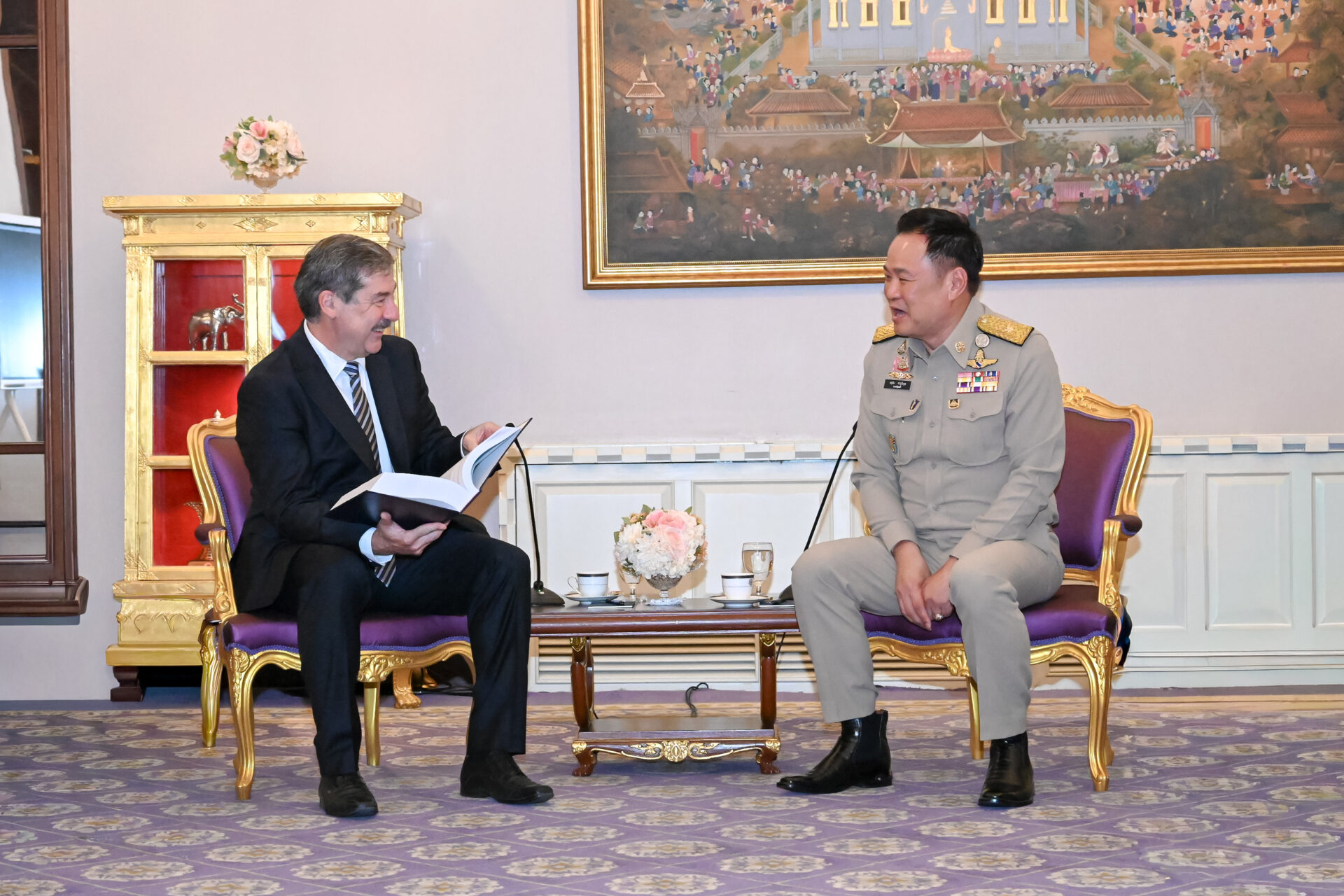
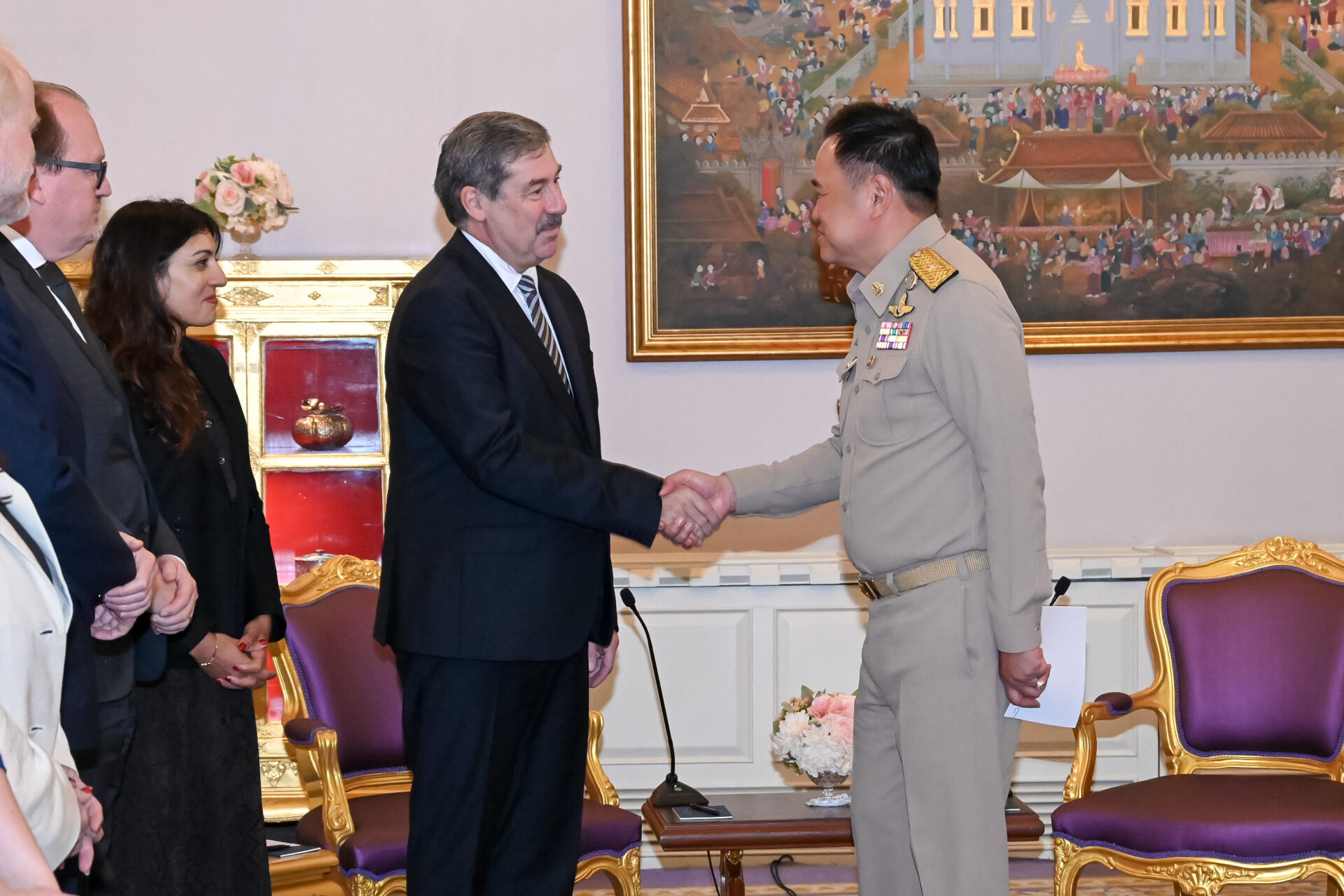
On this occasion, the Prime Minister welcomed and reaffirmed Thailand’s commitment to OECD membership, emphasizing that membership would help Thailand achieve recognized standards, create economic opportunities, and open new markets for the country, while promoting good governance and anti-corruption efforts that the Thai government has consistently prioritized. Meanwhile, the OECD Deputy Secretary-General congratulated Thailand on successfully submitting the Initial Memorandum, marking a significant step in Thailand’s OECD membership process. He commended Thailand for being the first country to use Artificial Intelligence (AI) in preparing the Initial Memorandum, utilizing AI to match Thai laws with OECD legal instruments, which facilitated the work of relevant agencies and accelerated the membership process. Thailand can share these experiences and practices with other countries. Furthermore, the OECD Deputy Secretary-General affirmed OECD’s commitment to working with Thailand throughout the membership process. In the next step, Thailand will conduct Technical Reviews with 25 OECD committees, through which Thailand will receive recommendations from OECD on aligning domestic standards with OECD standards.
In addition to the Initial Memorandum, the Prime Minister witnessed the submission of a letter of intent to begin the process of acceding to the OECD Anti-Bribery Convention by the National Anti-Corruption Commission, which is a key OECD legal instrument that Thailand must join before becoming an OECD member. Additionally, Thailand, through the Ministry of Justice and Thailand Institute of Justice (TIJ), has proposed to host the OECD Global Roundtable on Equal Access to Justice in 2027, a proposal which the OECD Deputy Secretary-General welcomed and will discuss further with relevant parties.
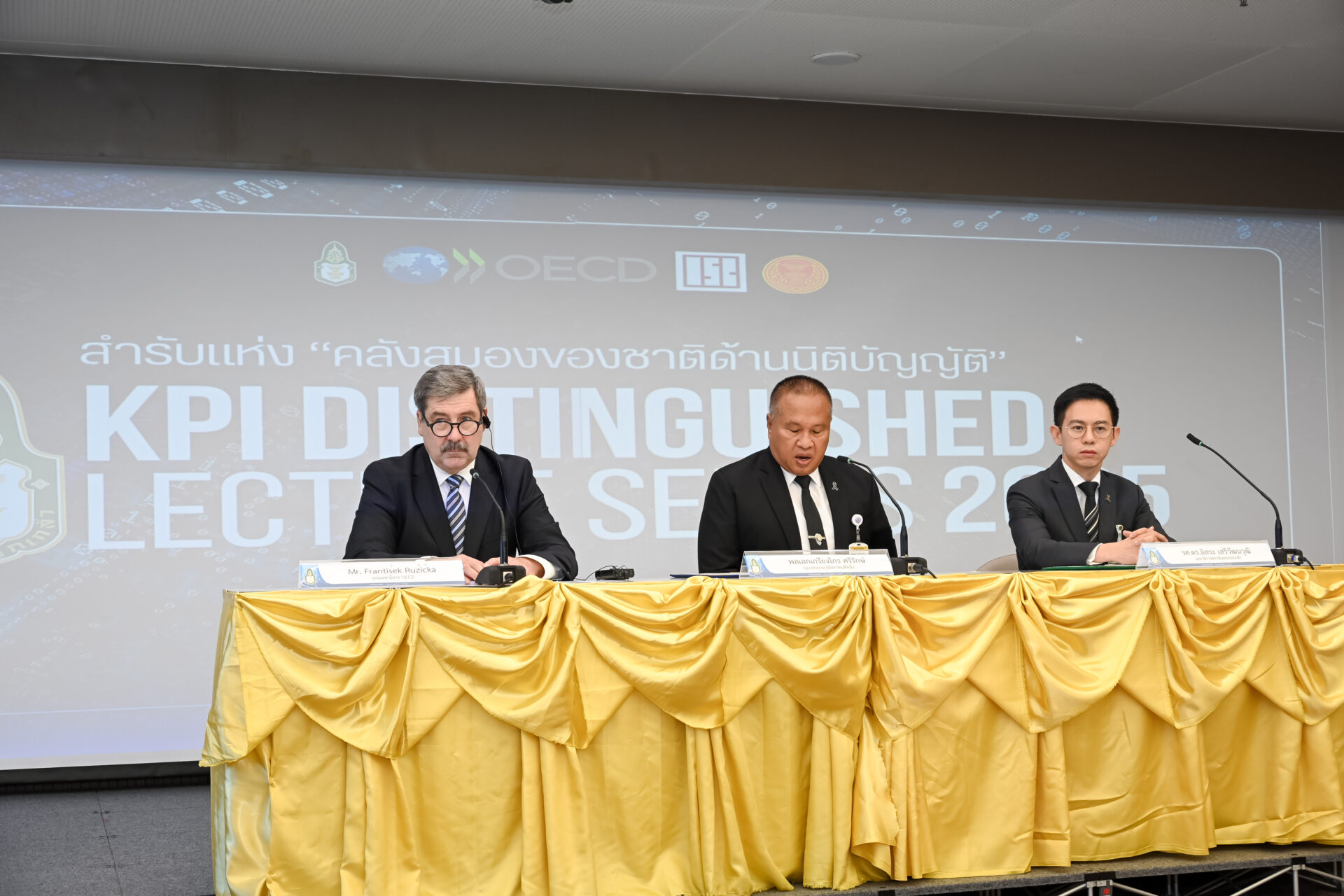
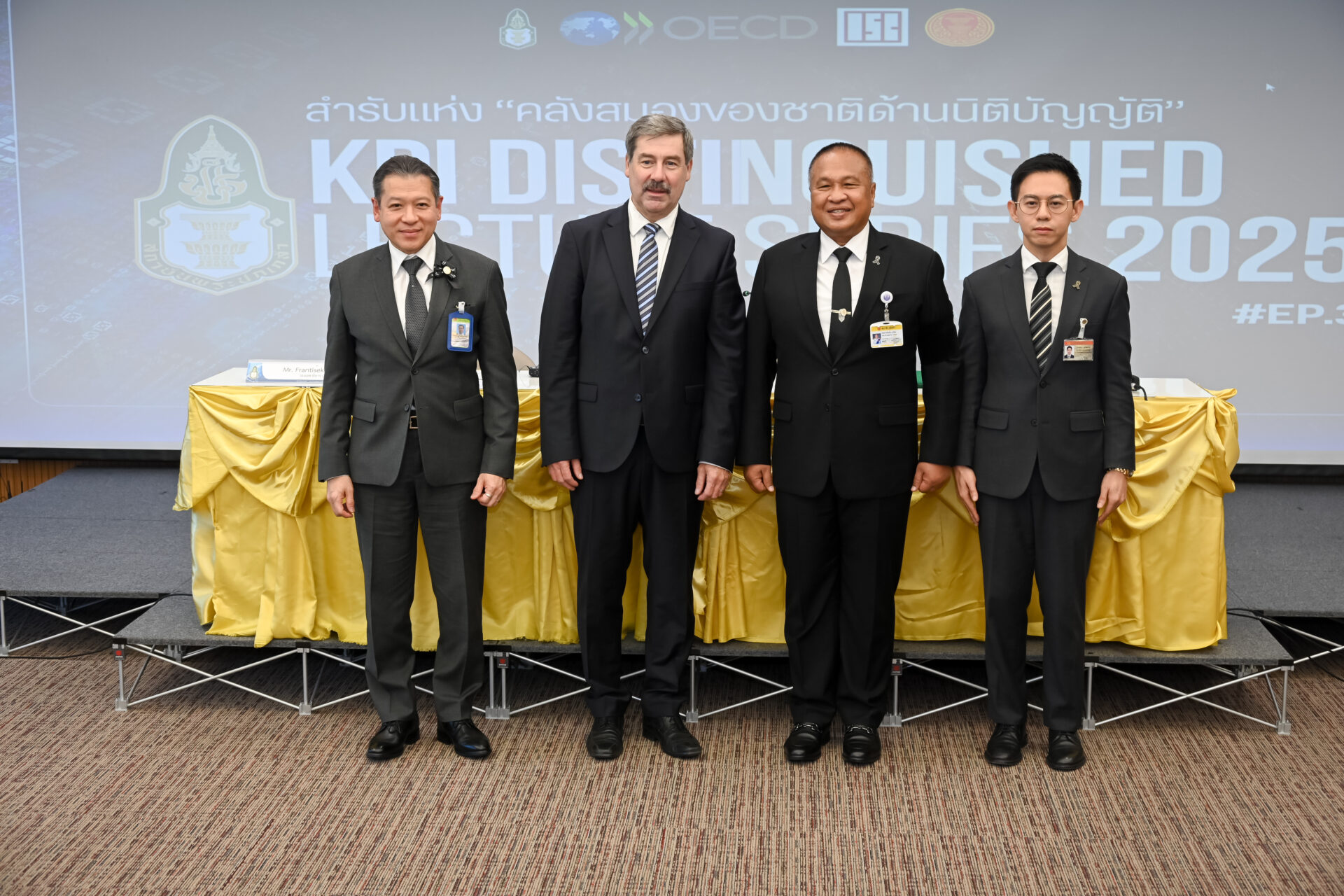
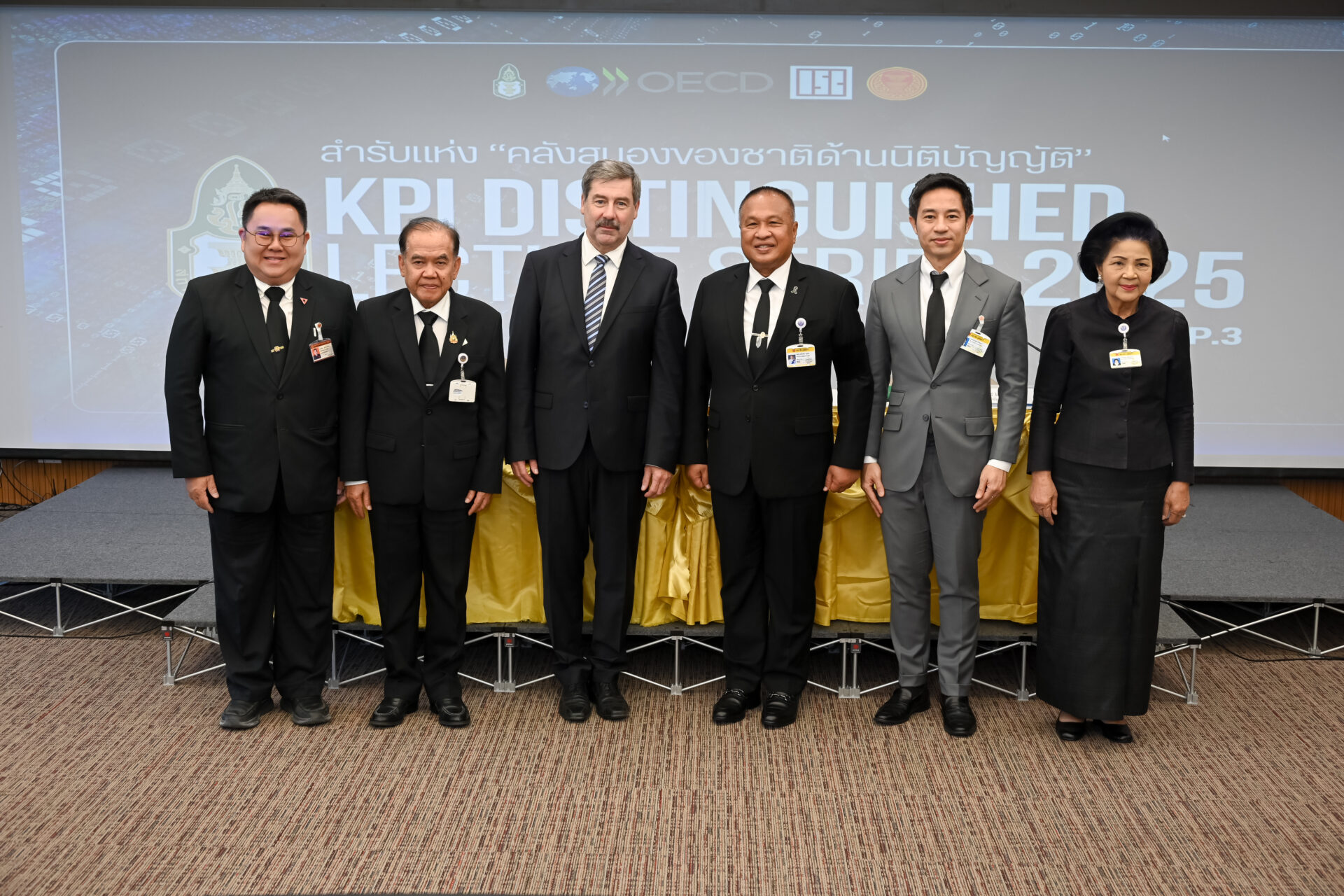
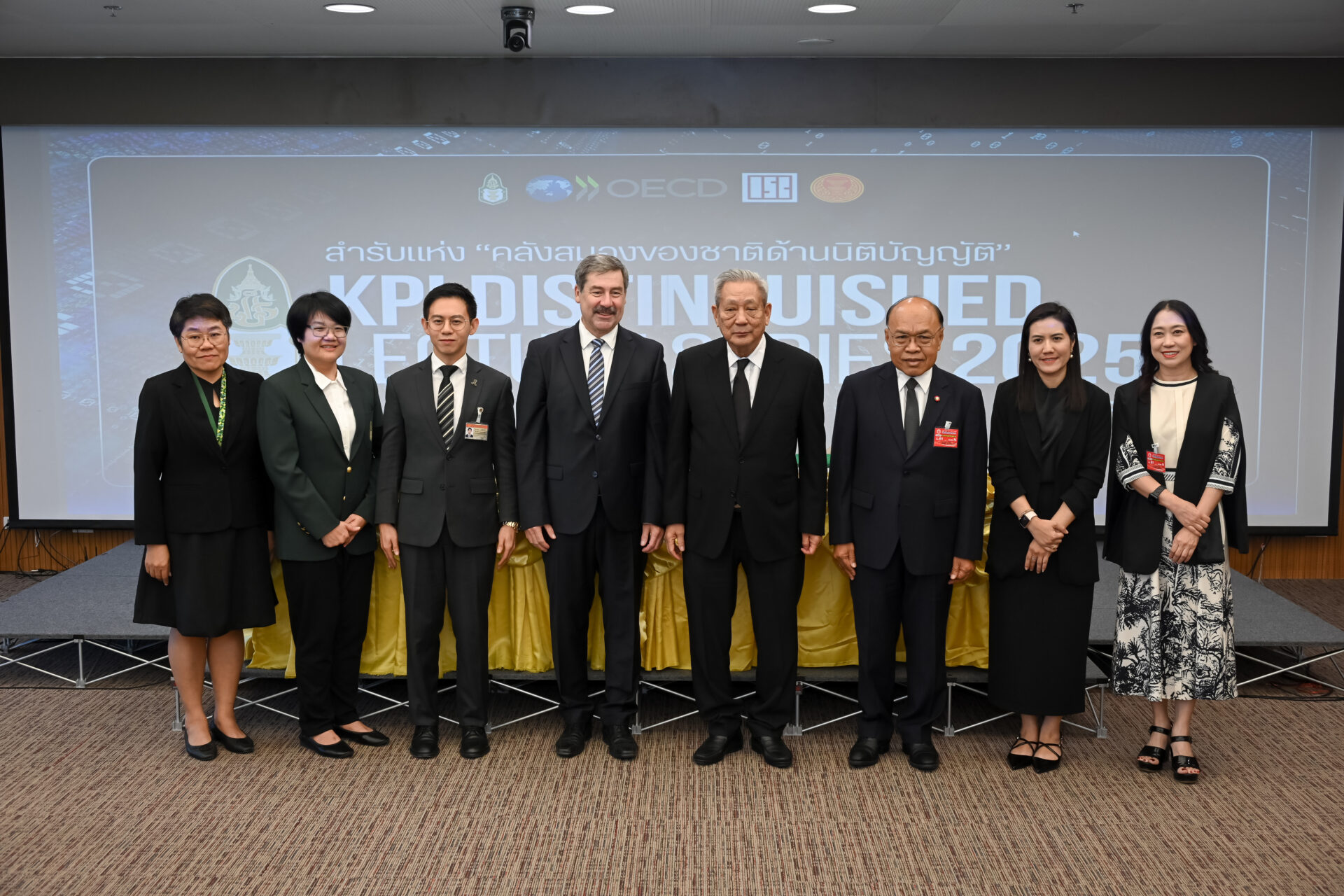
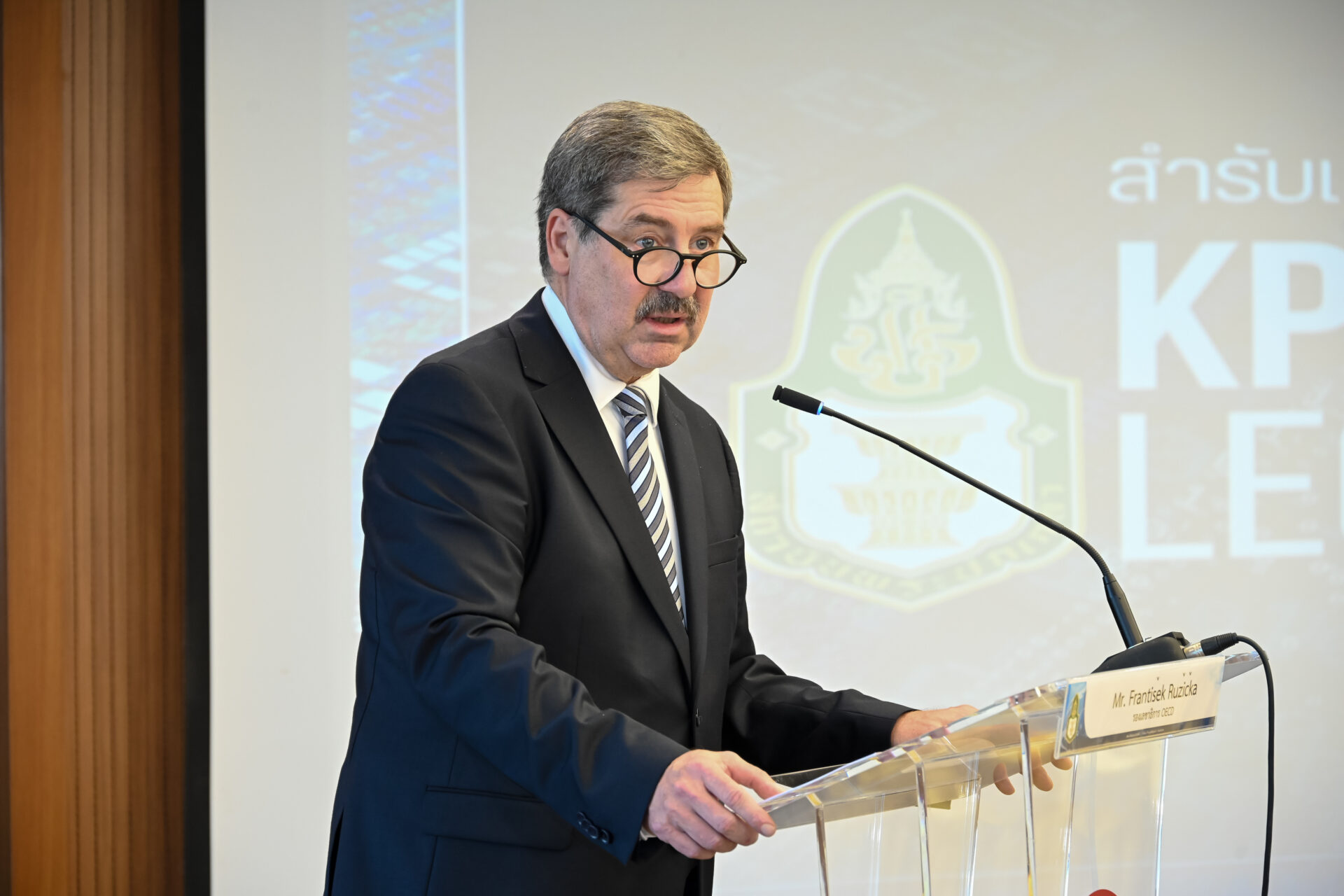
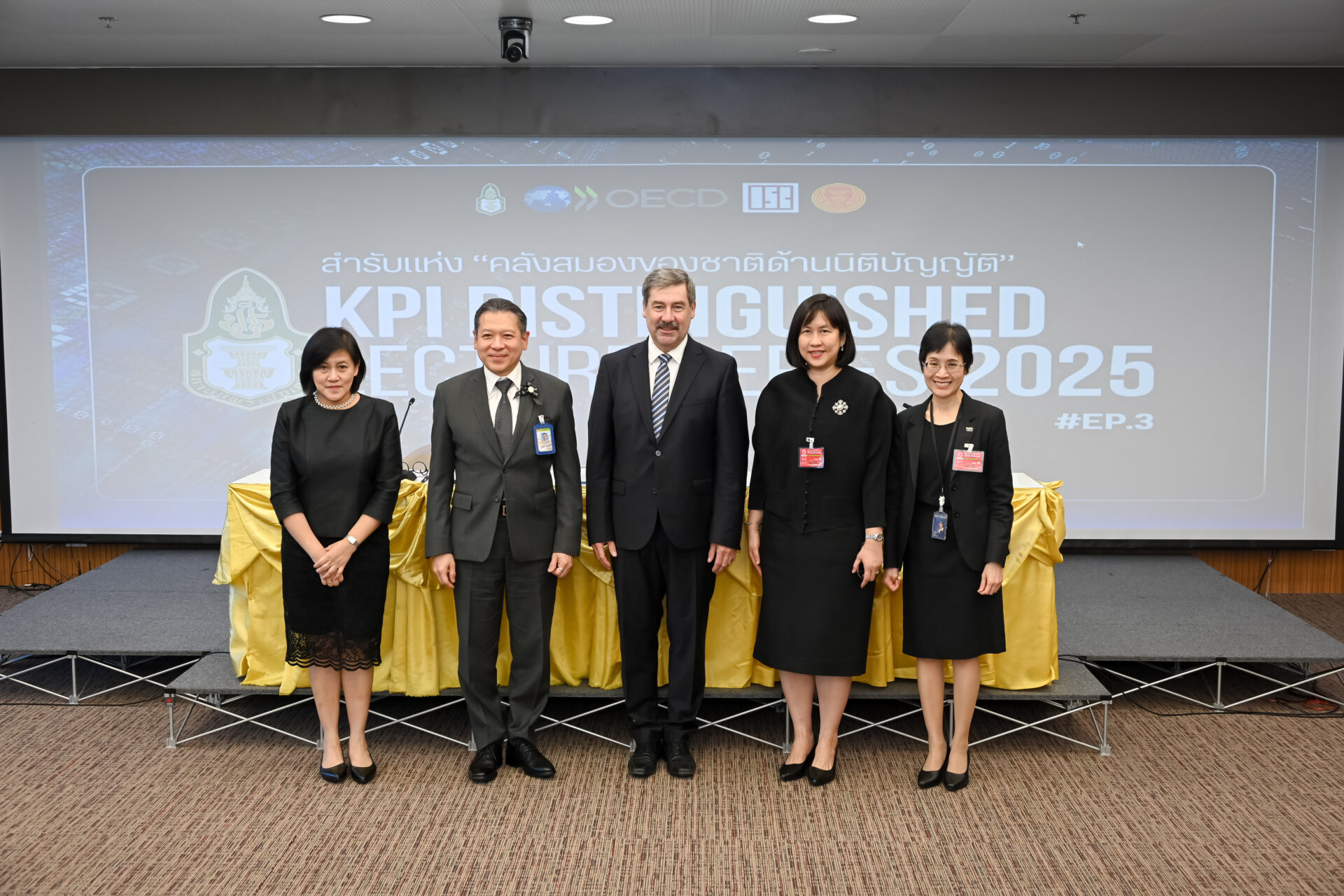
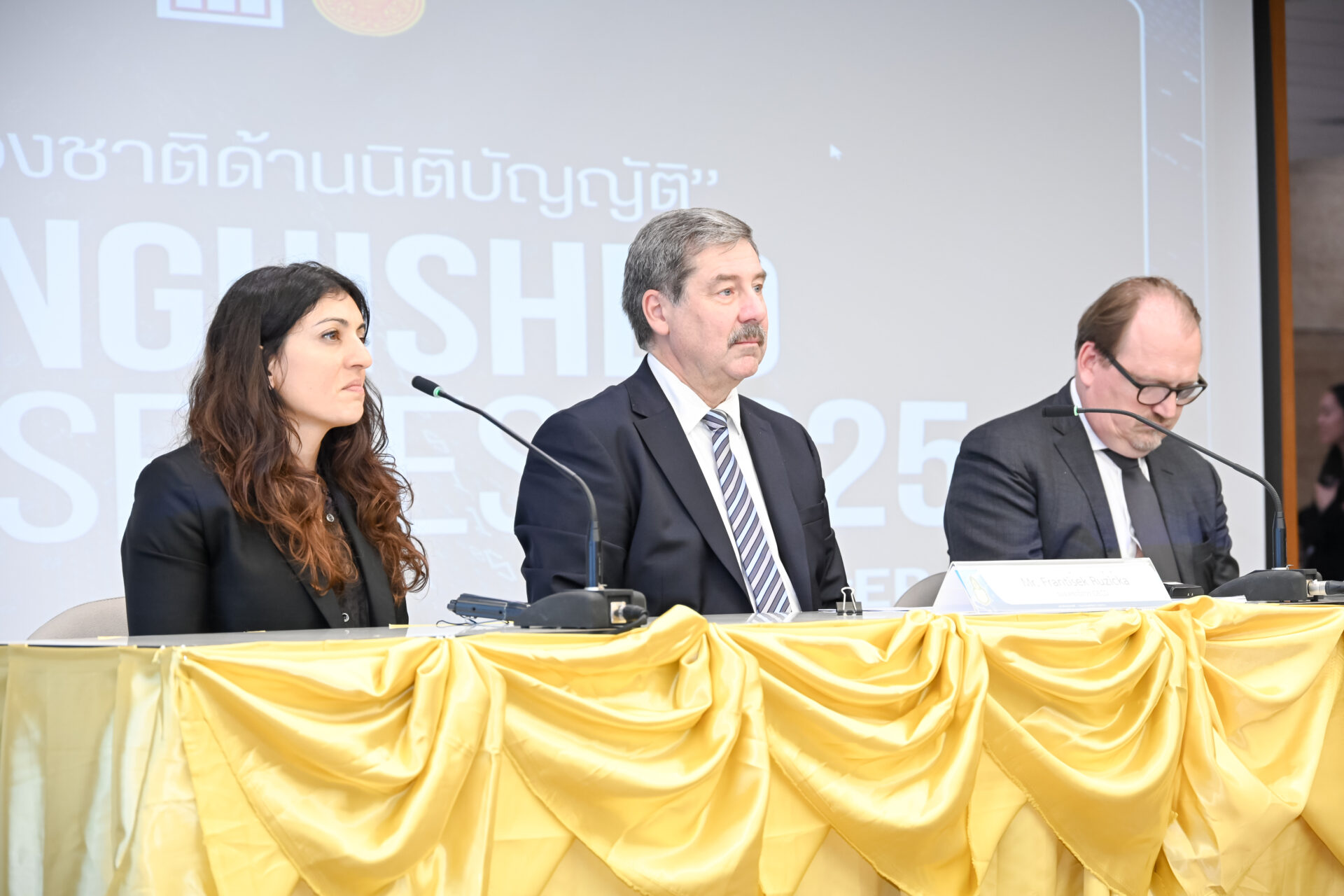
On the same day, the OECD Deputy Secretary-General visited the Parliament building to deliver a special lecture on “Reform and Legislative Adoption Journey to OECD Membership” organized by the King Prajadhipok’s Institute and the Center for Foreign Studies. He was welcomed by General Kriengkrai Srirak, First Vice President of the Senate, Mr. Boonsong Noisopohn, Second Vice President of the Senate, Mr. Nirat Yupakdi, Chairman of the Senate Foreign Affairs Committee, and Associate Professor Dr. Isara Sereewatthanawut, Secretary-General of King Prajadhipok’s Institute.
During this occasion, both sides emphasized the importance of the legislative branch in the OECD membership process, particularly in its role as a mechanism for adapting domestic laws and regulations to align with OECD legal instruments. Since 2024, when Thailand was invited to begin membership discussions with OECD, the legislative branch has recognized the importance of membership and the tasks that must be carried out in coordination with the executive branch to ensure seamless operations. They have established the Advisory Council on Thailand’s Accession to the OECD of the Parliament of Thailand, which serves as a permanent parliamentary mechanism for consulting with relevant sectors to determine policy directions, coordinate international cooperation, and communicate with Thai society about OECD international standards. Meanwhile, the OECD Deputy Secretary-General emphasized the success of cooperation between Thailand and OECD through various initiatives, such as the OECD-Thailand Country Programme and membership in the OECD Southeast Asia Regional Programme, which have provided Thailand with recommendations for adjusting standards related to Thai laws and regulations in areas such as trade competition, legal development, anti-corruption, government transparency, skills development, and state enterprise governance.
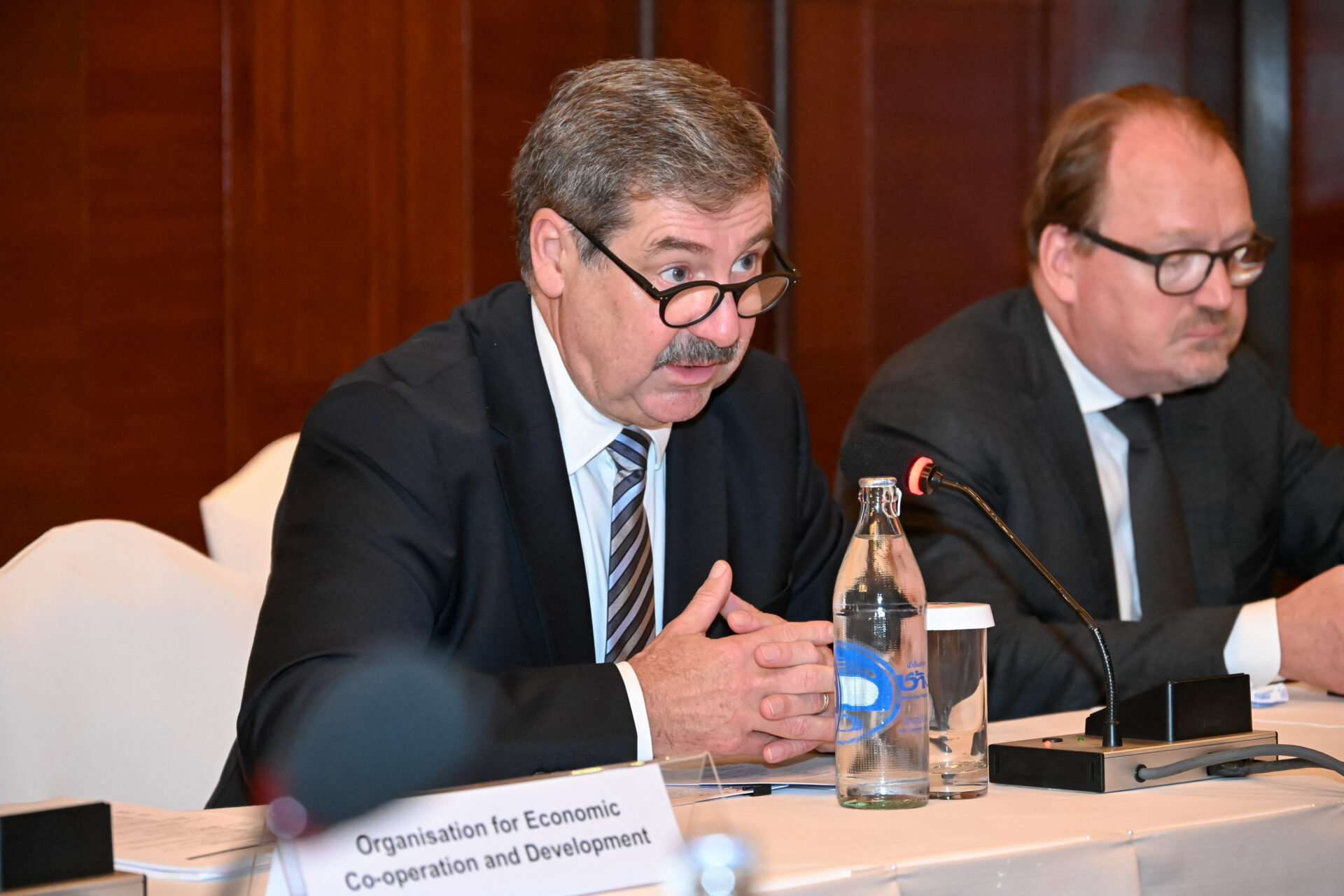
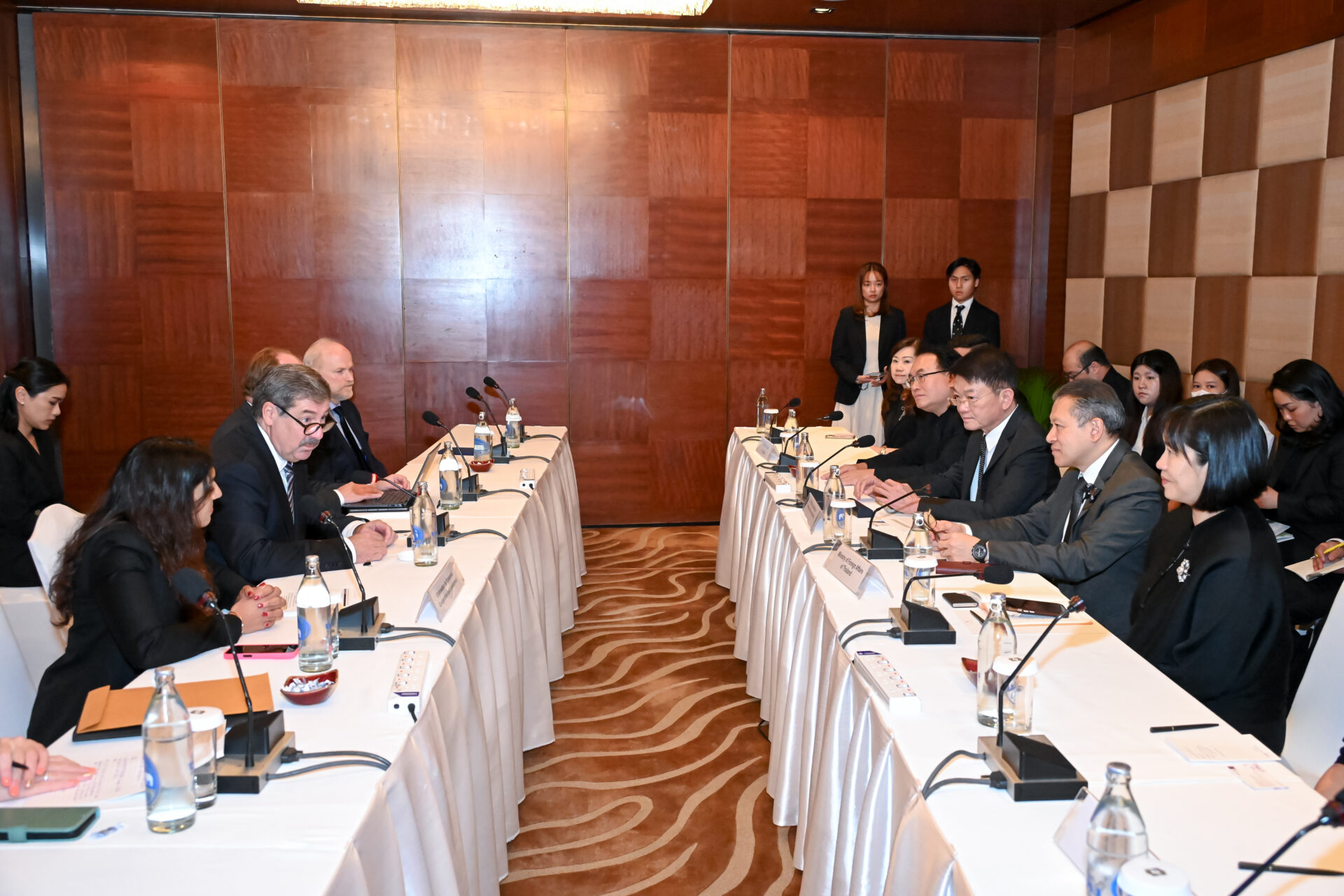
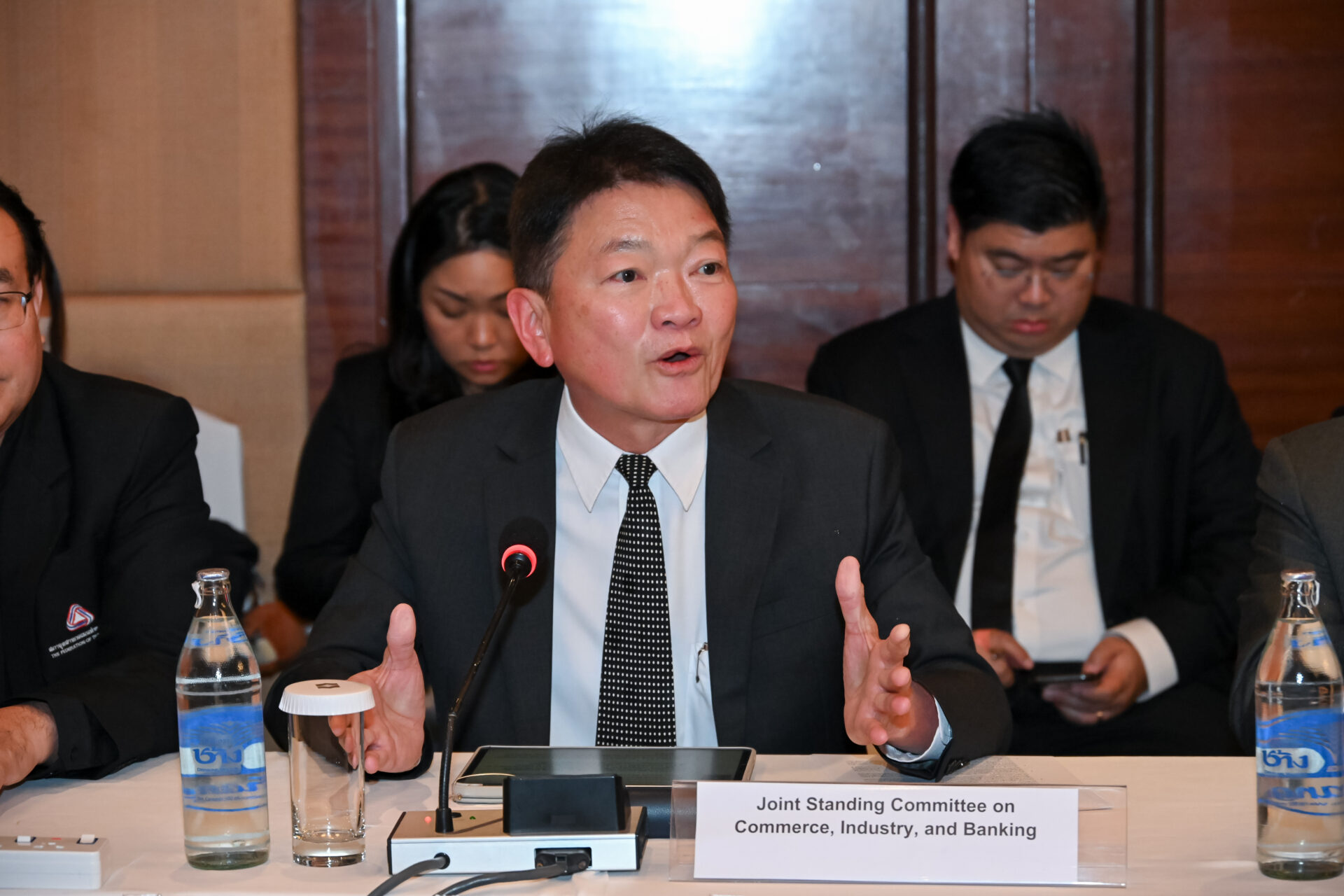
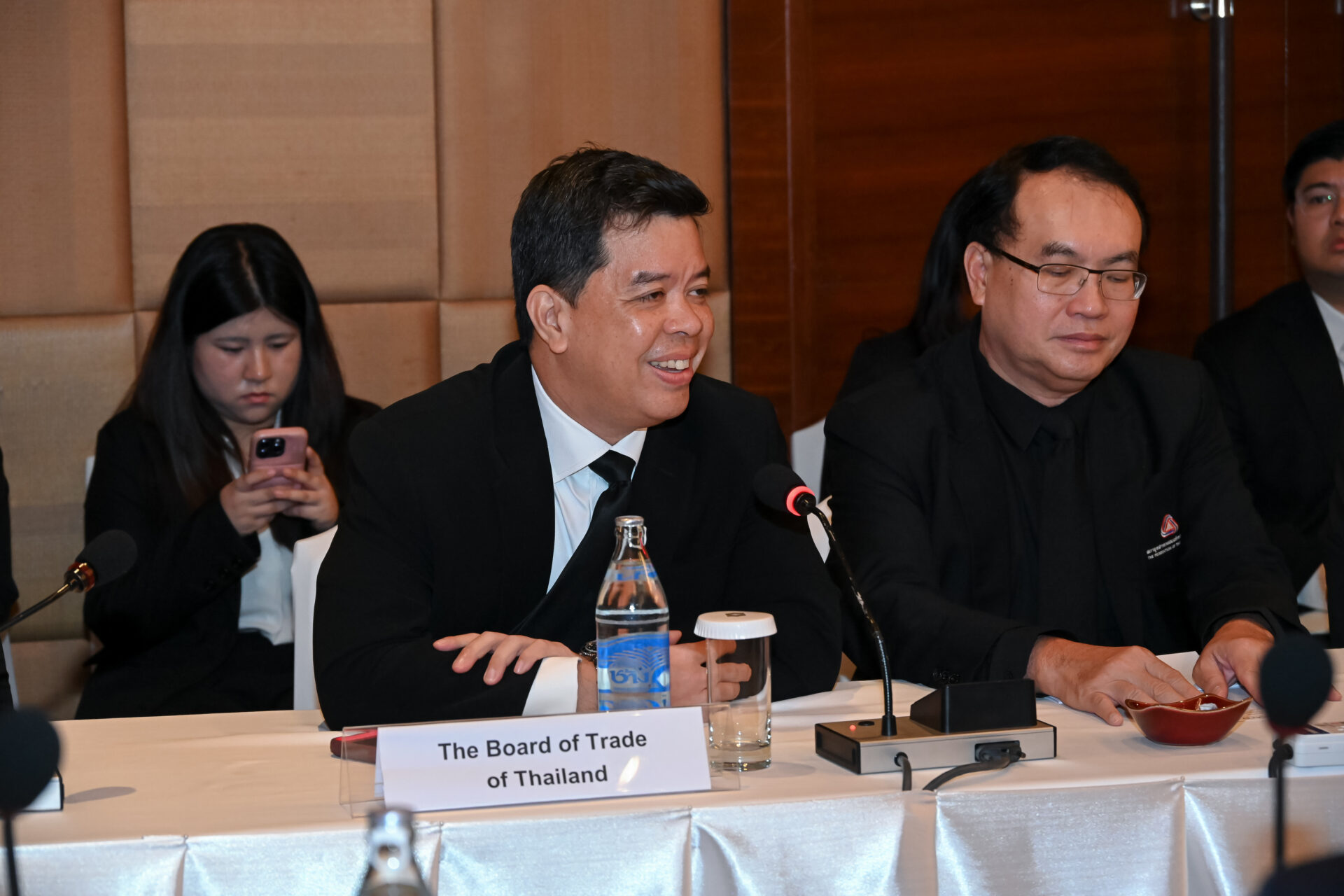
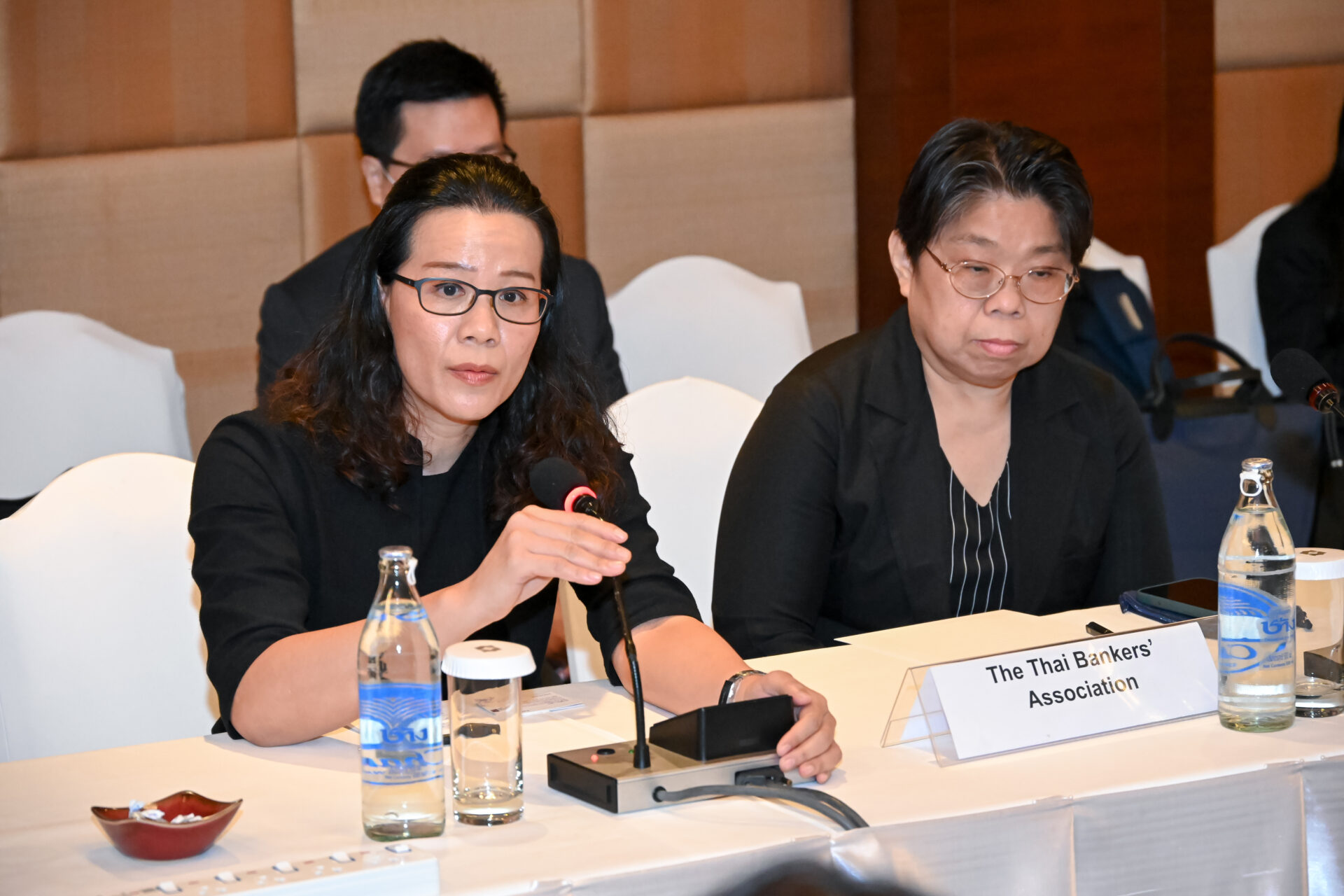
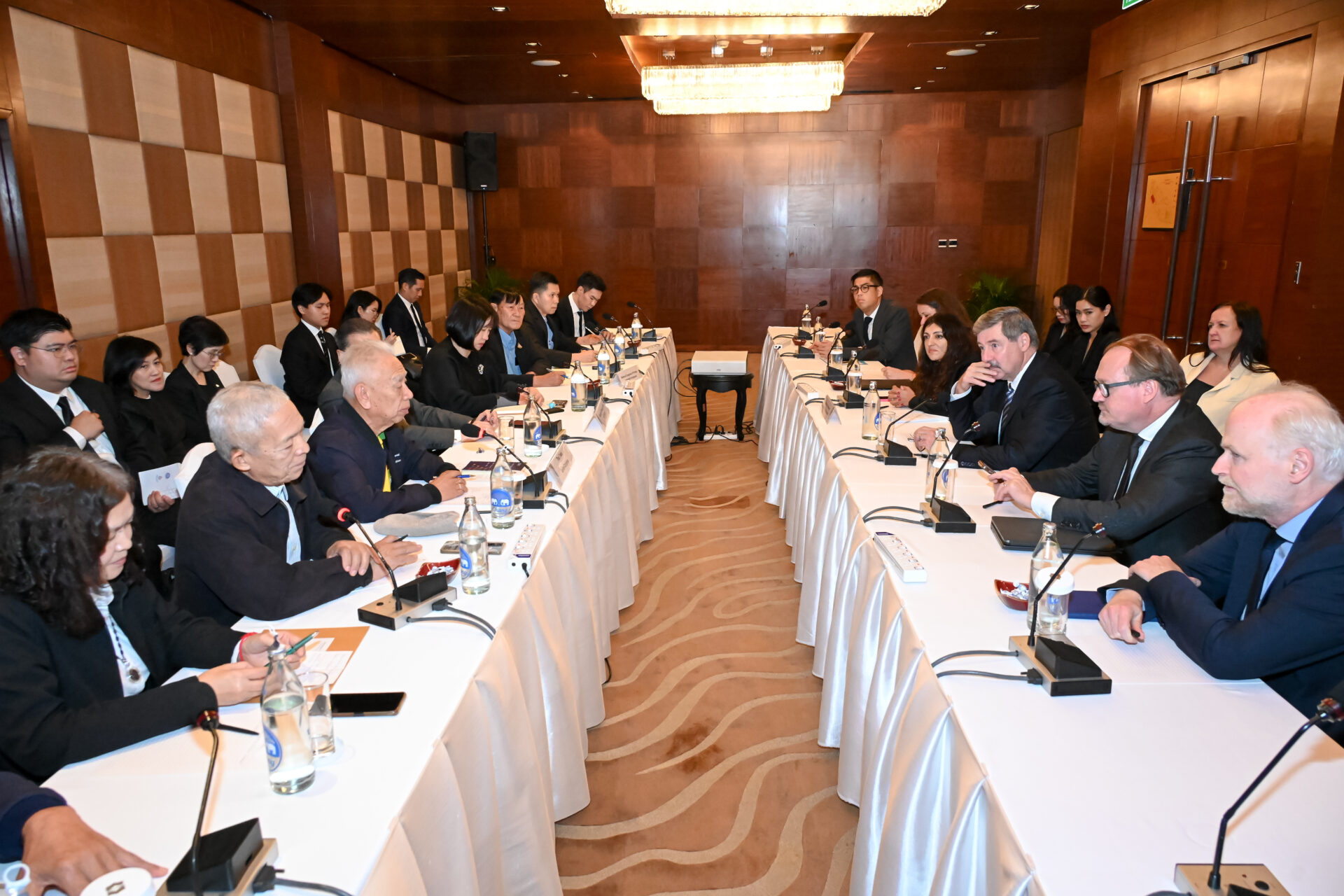
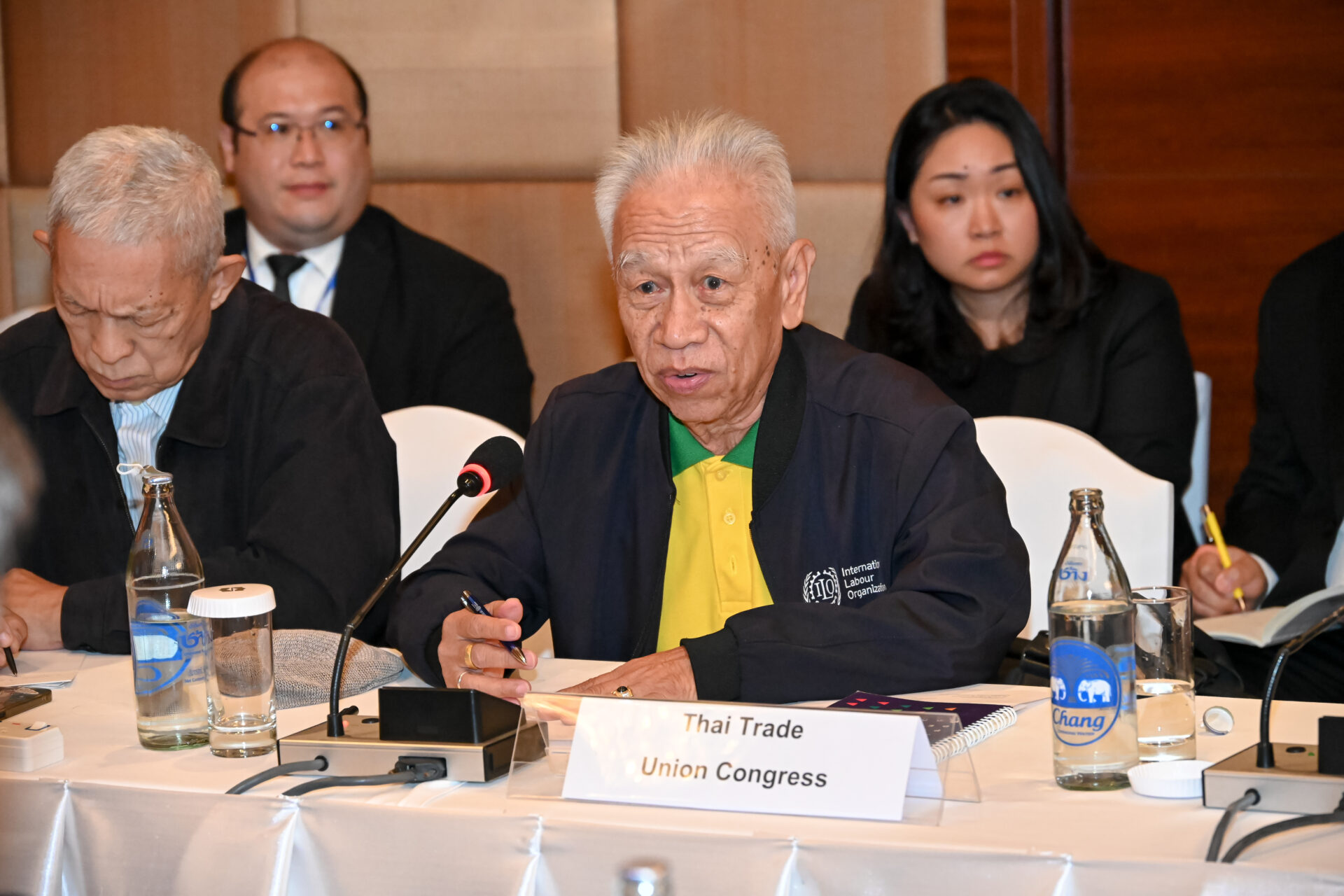
Additionally, the OECD Deputy Secretary-General met with representatives from various sectors, including (1) representatives from the Joint Standing Committee on Commerce, Industry and Banking (JSCCIB), emphasizing that the membership process will create business opportunities and drive standards related to business operations, such as education, labor, development, and reskilling to keep pace with technological changes, which the private sector must flexibly adapt to. Thai private sector representatives emphasized their readiness to cooperate and support the Thai government in the OECD membership process and proposed conducting impact assessments on the private sector regarding alignment with OECD standards to build confidence and prepare effectively for changes. He also met with (2) representatives from the Private Industrial Workers Federation of Thailand and the Thai Labor Solidarity Committee, who presented urgent labor issues requiring attention and resolution, such as labor standards, labor rights, establishment of both Thai and migrant labor unions, as well as support for Thailand’s ratification of ILO Convention 87 on Freedom of Association and Protection of the Right to Organise and ILO Convention 98 on Right to Organise and Collective Bargaining, to establish fair labor standards in Thailand that meet international levels.
For 2026, Thailand will enter the technical review phase with OECD, during which Thailand will receive recommendations for improving laws, policies, and practices to align with OECD standards. This process requires cooperation and participation from all sectors of society to achieve Thailand’s goal of membership before 2030, leading to better policies for better lives, in line with OECD’s slogan “Better Policies for Better Lives”.
Follow Thailand’s membership progress at:

TH2OECD Website
News: International Strategy and Cooperation Division
Photos: Ministry of Foreign Affairs