
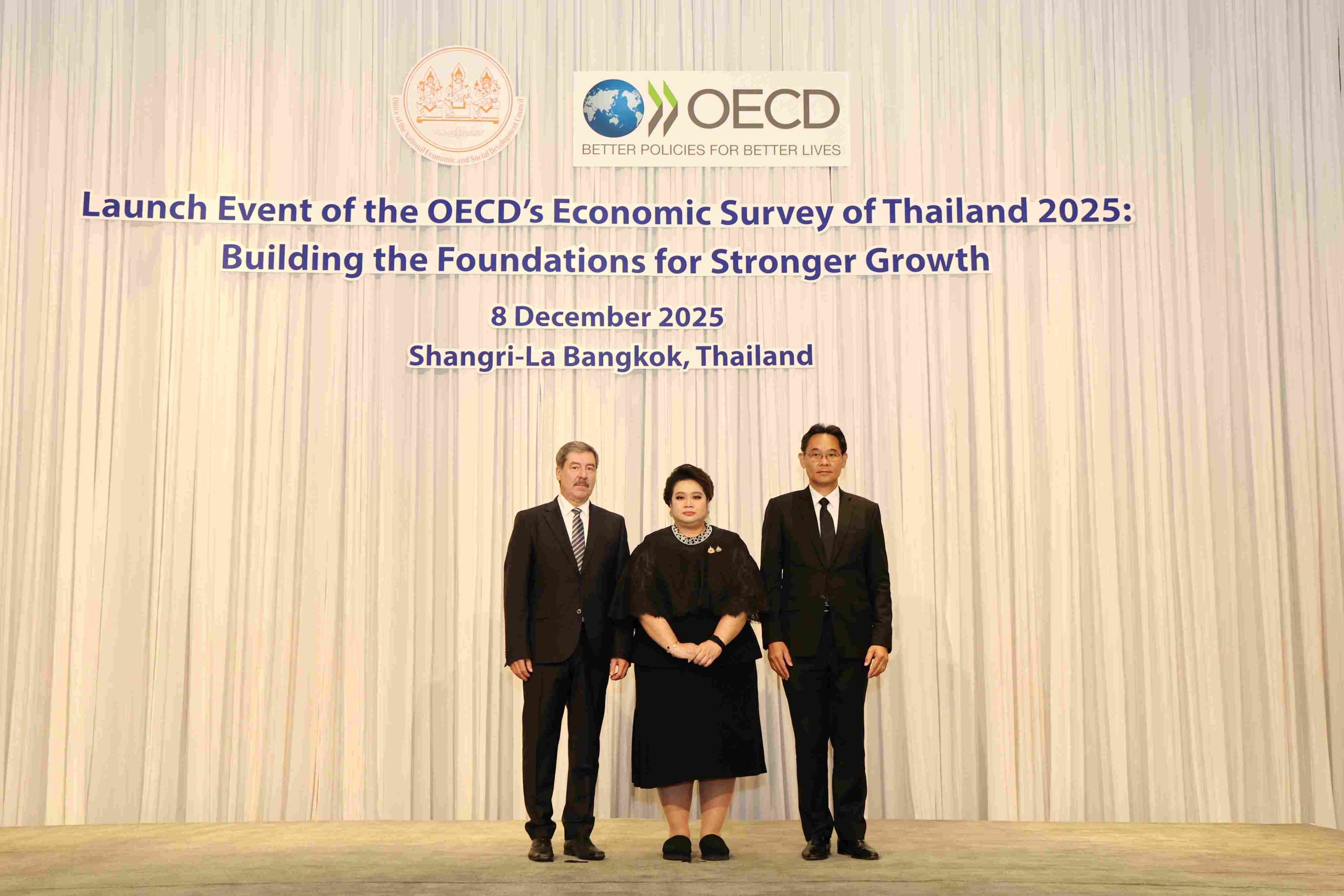
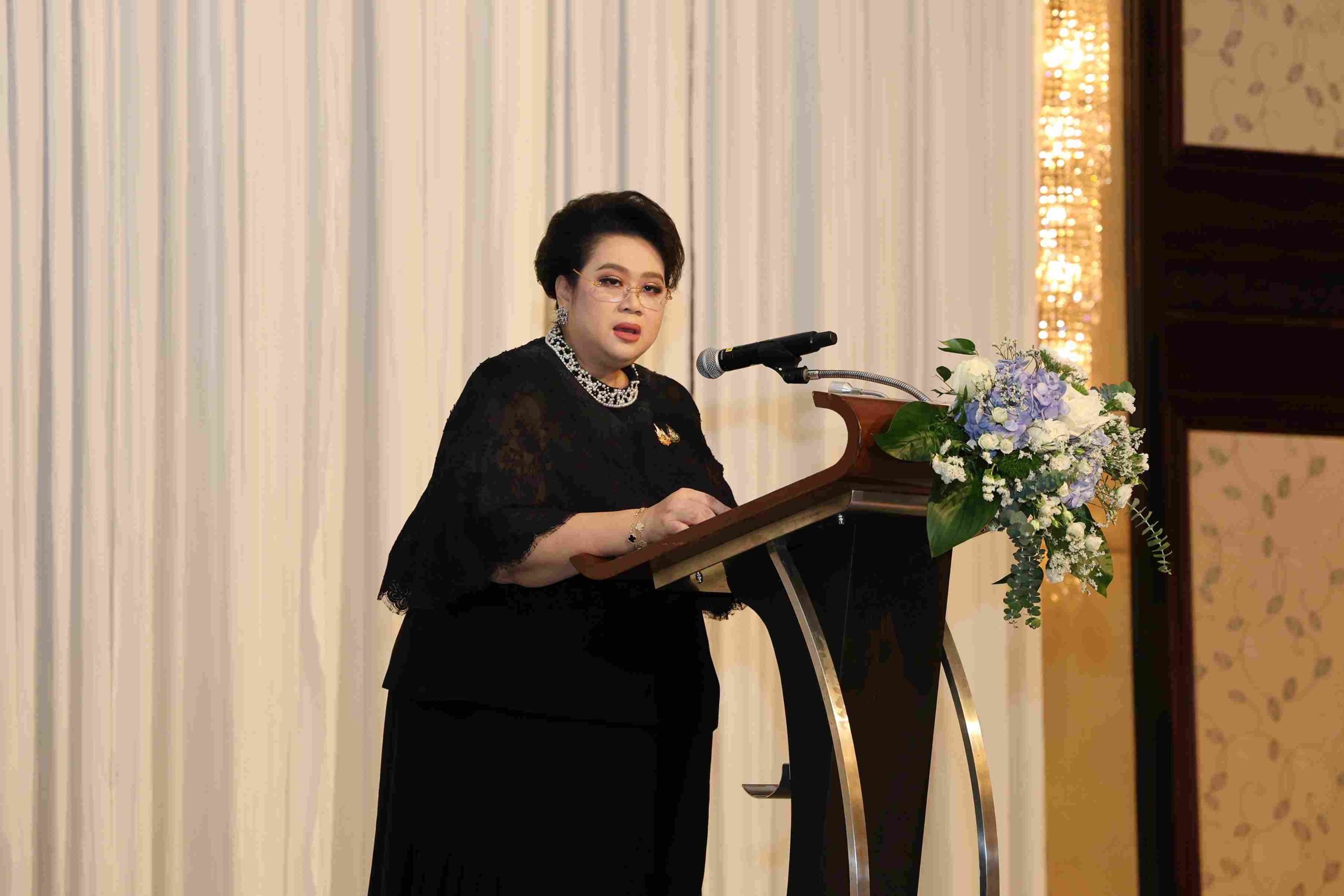
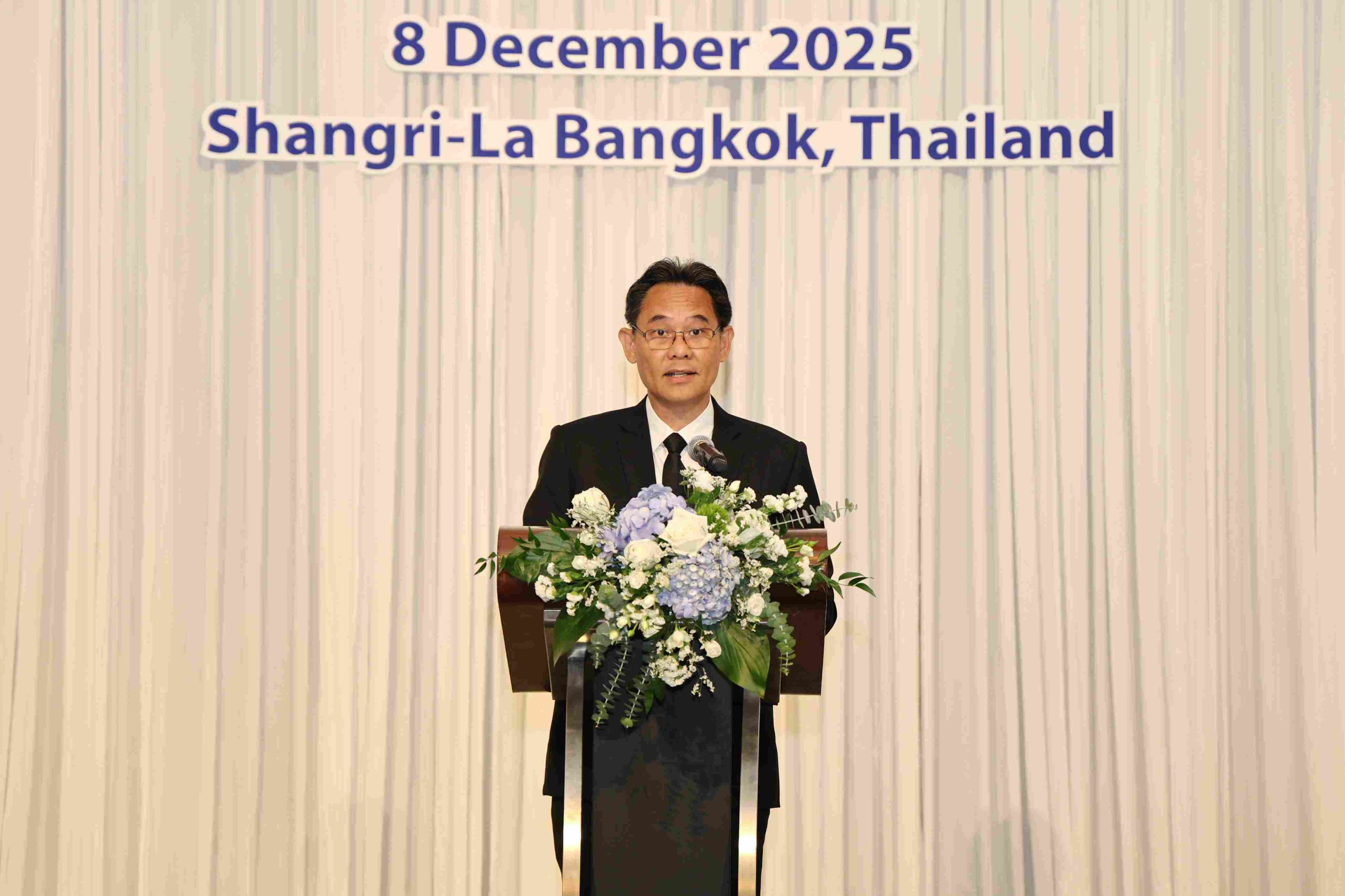
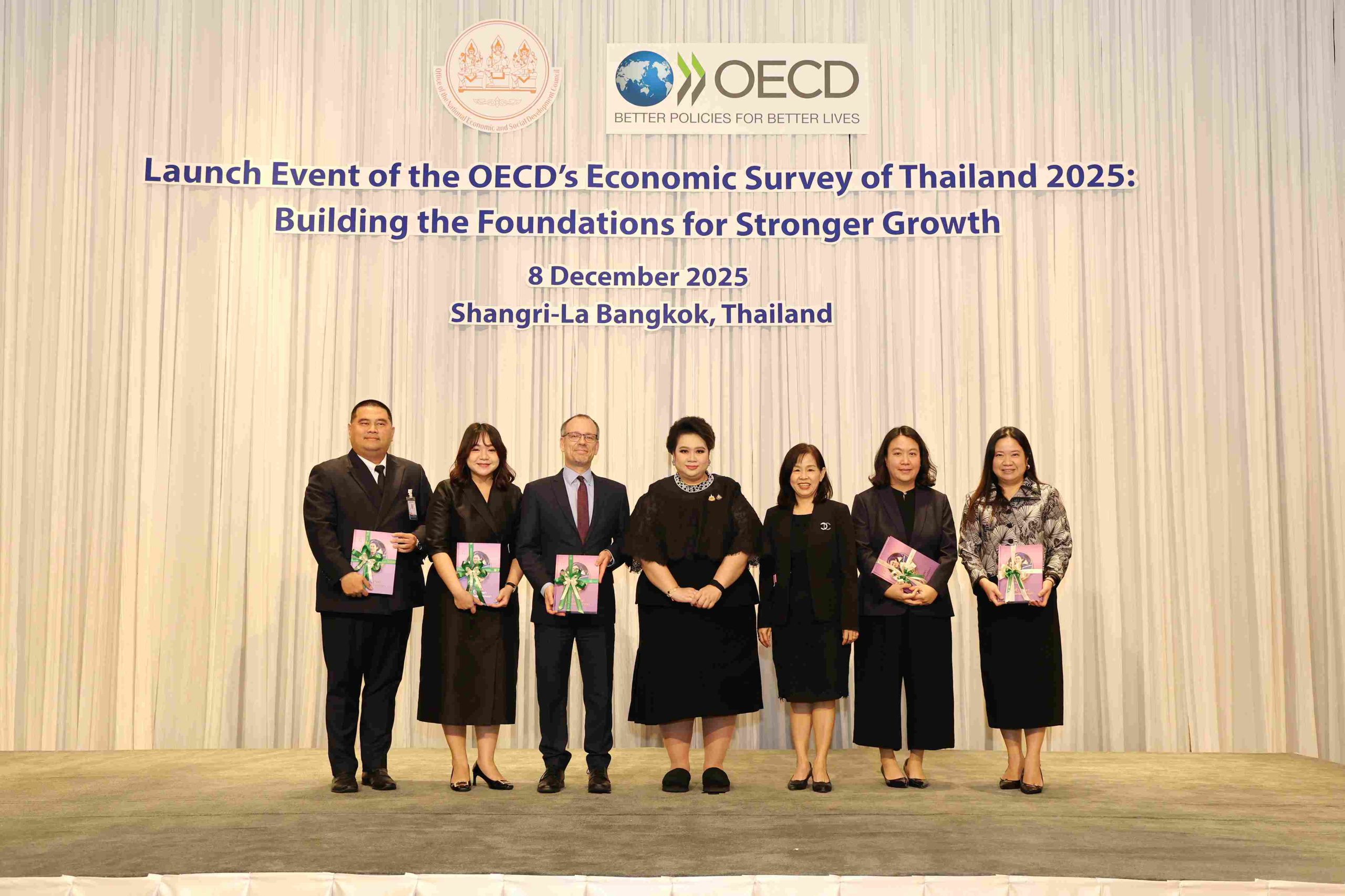
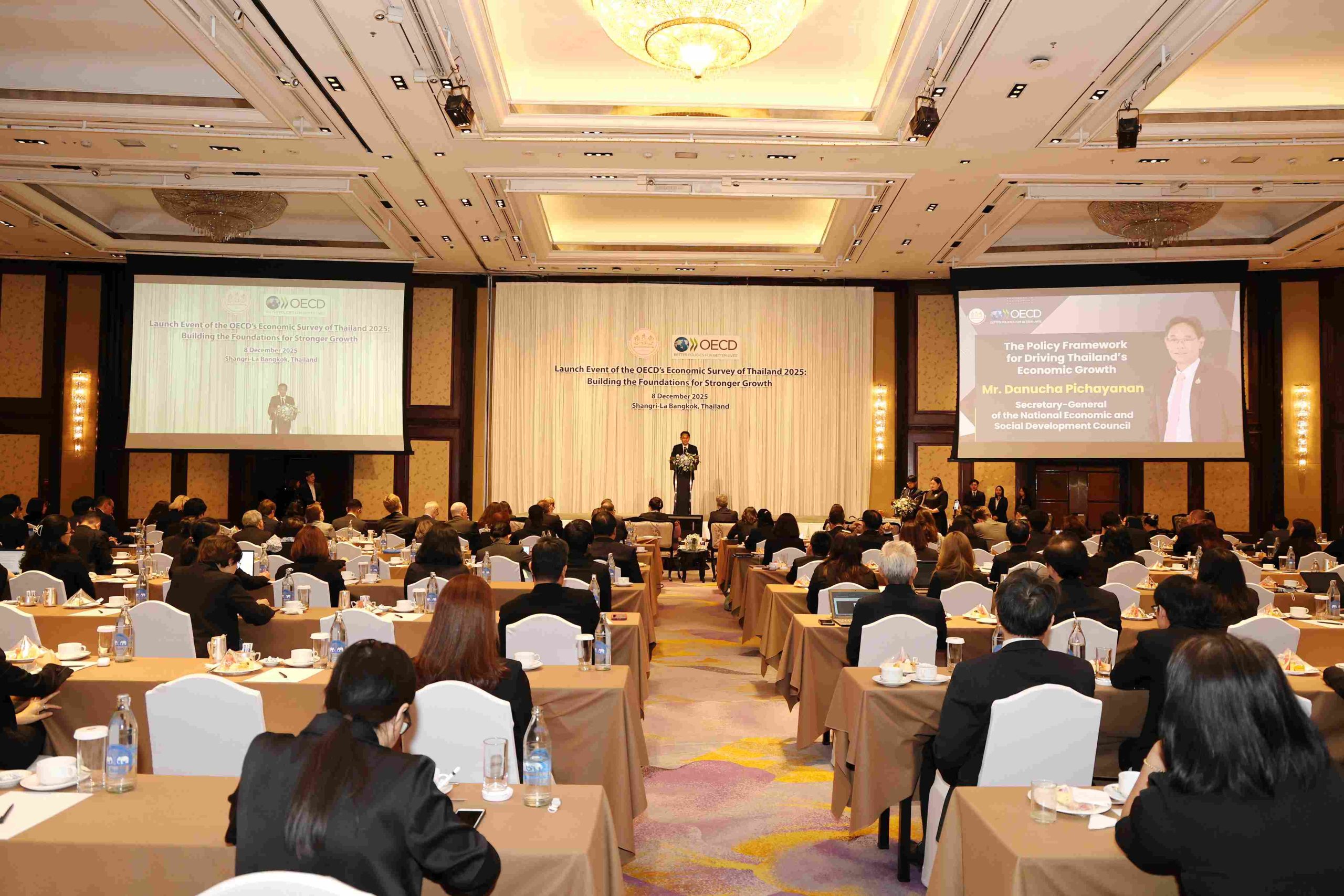
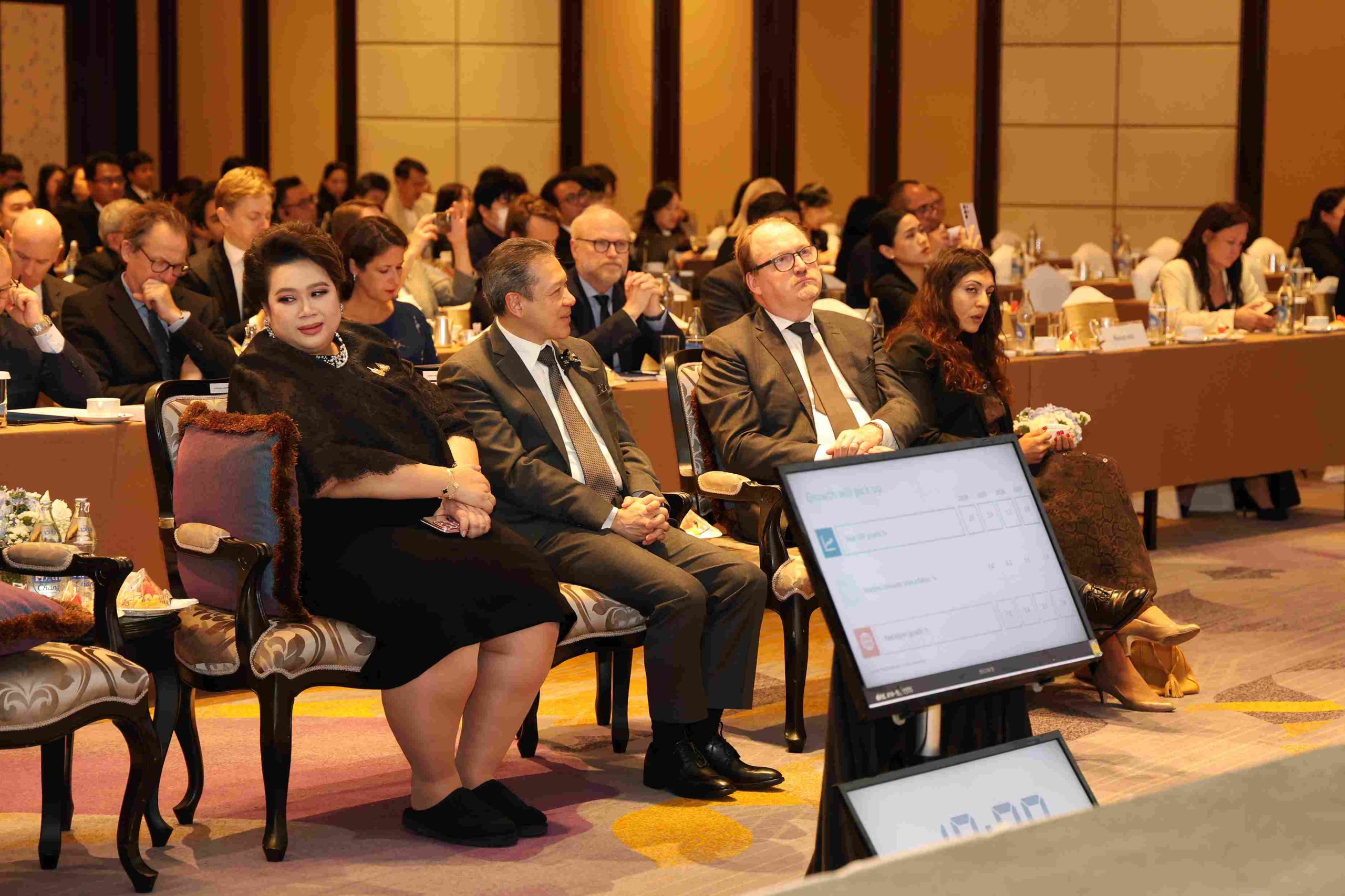
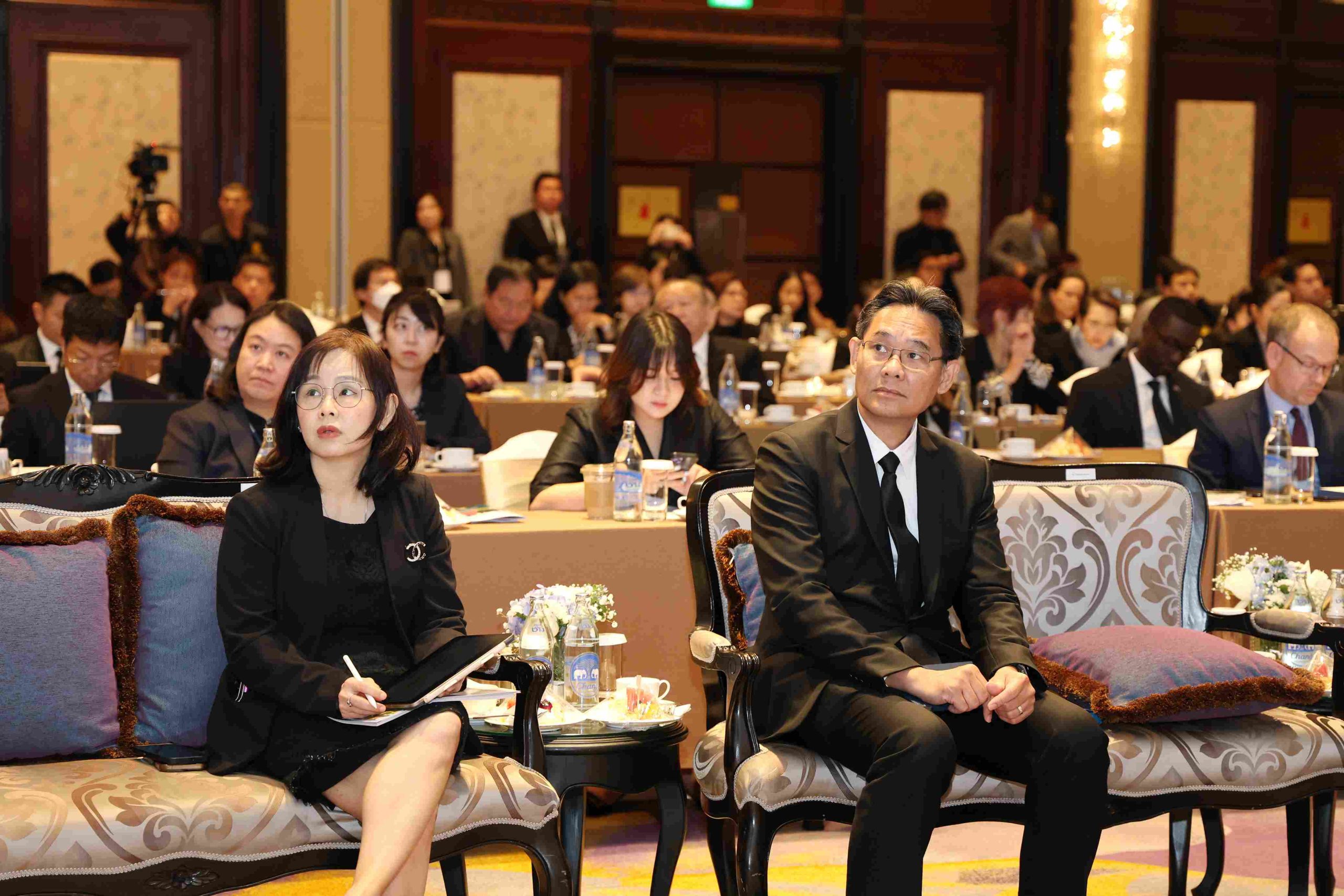
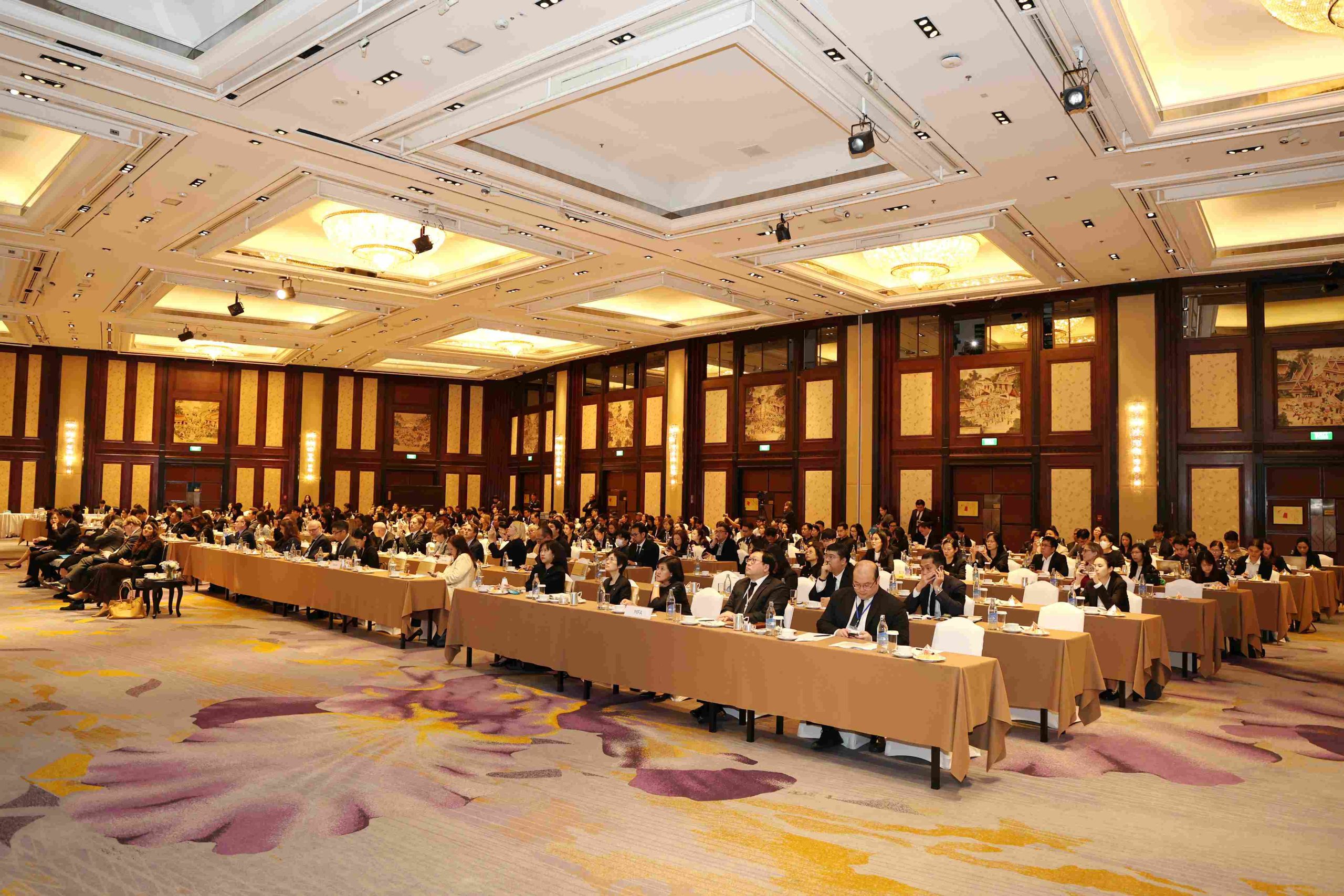
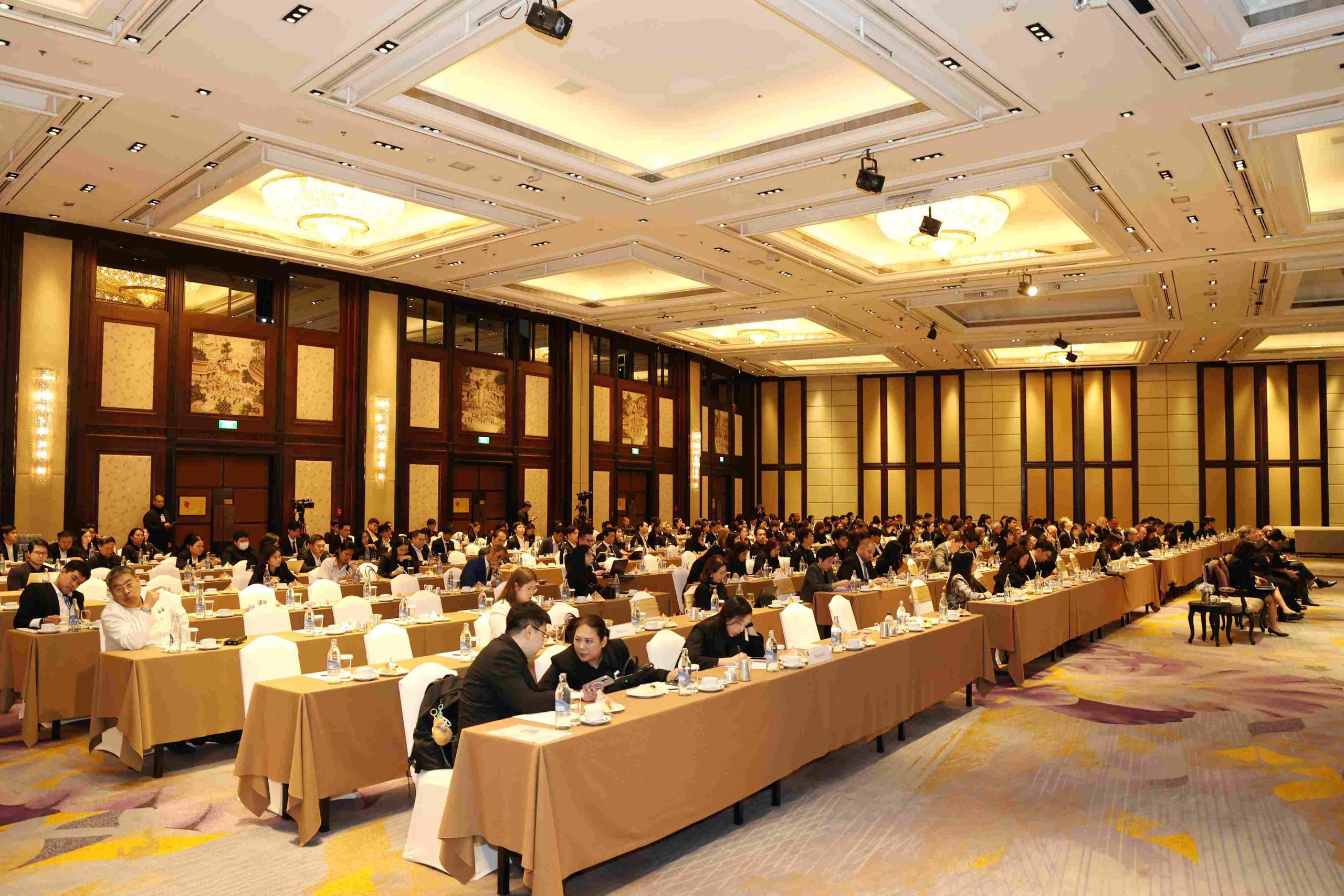
The National Economic and Social Development Council (NESDC), in collaboration with the Organisation for Economic Co-operation and Development (OECD), organized a seminar for the launch of the Economic Survey of Thailand 2025 report on Monday, December 8, 2025, at the Ballroom of Shangri-La Hotel, Bangkok. The event was honored by Ms. Supamas Isarabhakdi, Minister attached to the Prime Minister’s Office, who presided over the opening ceremony. Minister Supamas addressed the government’s key policy directions for economic development under the Quick Big Win policy, which is an urgent economic policy for short-term economic recovery alongside establishing foundations for sustainable long-term growth under five main pillars: economic and tourism stimulus, debt burden reduction for citizens and businesses particularly small enterprises, liquidity enhancement for small and medium enterprises (SMEs), increasing public savings, and promoting future investment. She also affirmed that the government places great importance on expediting Thailand’s OECD membership application, with the establishment of a steering committee and subcommittees to serve as key mechanisms for advancing this initiative.
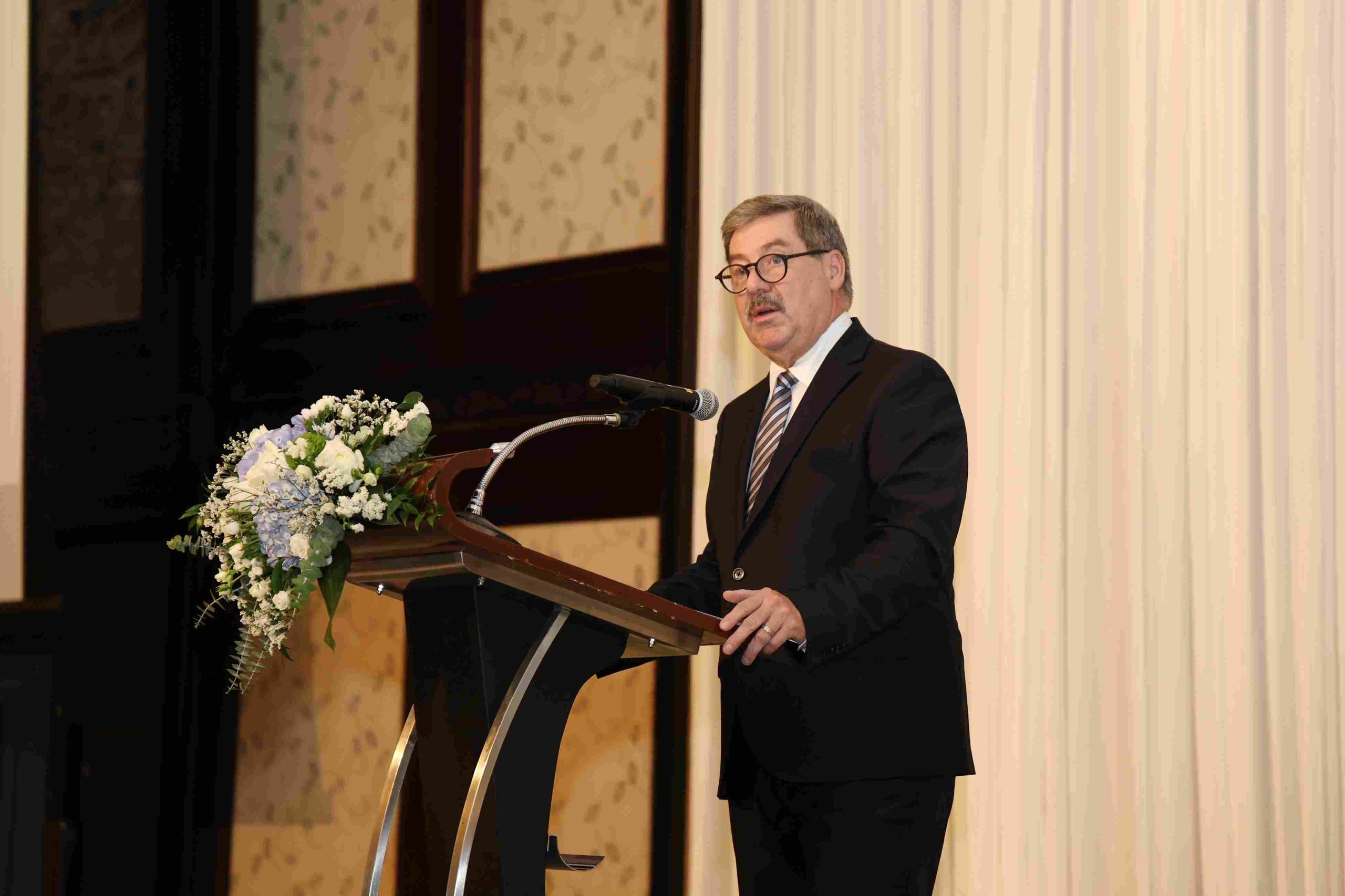
Subsequently, Mr. František Ruzicka, OECD Deputy Secretary General, presented an overview of the Economic Survey of Thailand 2025 report, highlighting key issues including: (1) driving through macroeconomic policy restructuring, emphasizing the importance of maintaining medium-term fiscal stability through reducing fiscal deficits, tax system reform, and improving government spending efficiency, as well as implementing monetary policy consistent with economic conditions; (2) enhancing productivity and competitiveness through improving investment and business regulations, coupled with human resource development to support the country’s future development; (3) adapting to climate change, including developing early warning systems and investing in climate-resilient infrastructure, and promoting knowledge exchange and incentive measures to support farmers’ adaptation; and (4) policy reforms to reduce the size of the informal economy through developing labor skills for job security, improving social protection system coverage, and addressing business licensing regulations. The OECD stands ready to fully support Thailand in upgrading regulations and policy implementation mechanisms to enhance Thailand’s potential to advance toward becoming a high-income country and future OECD membership.
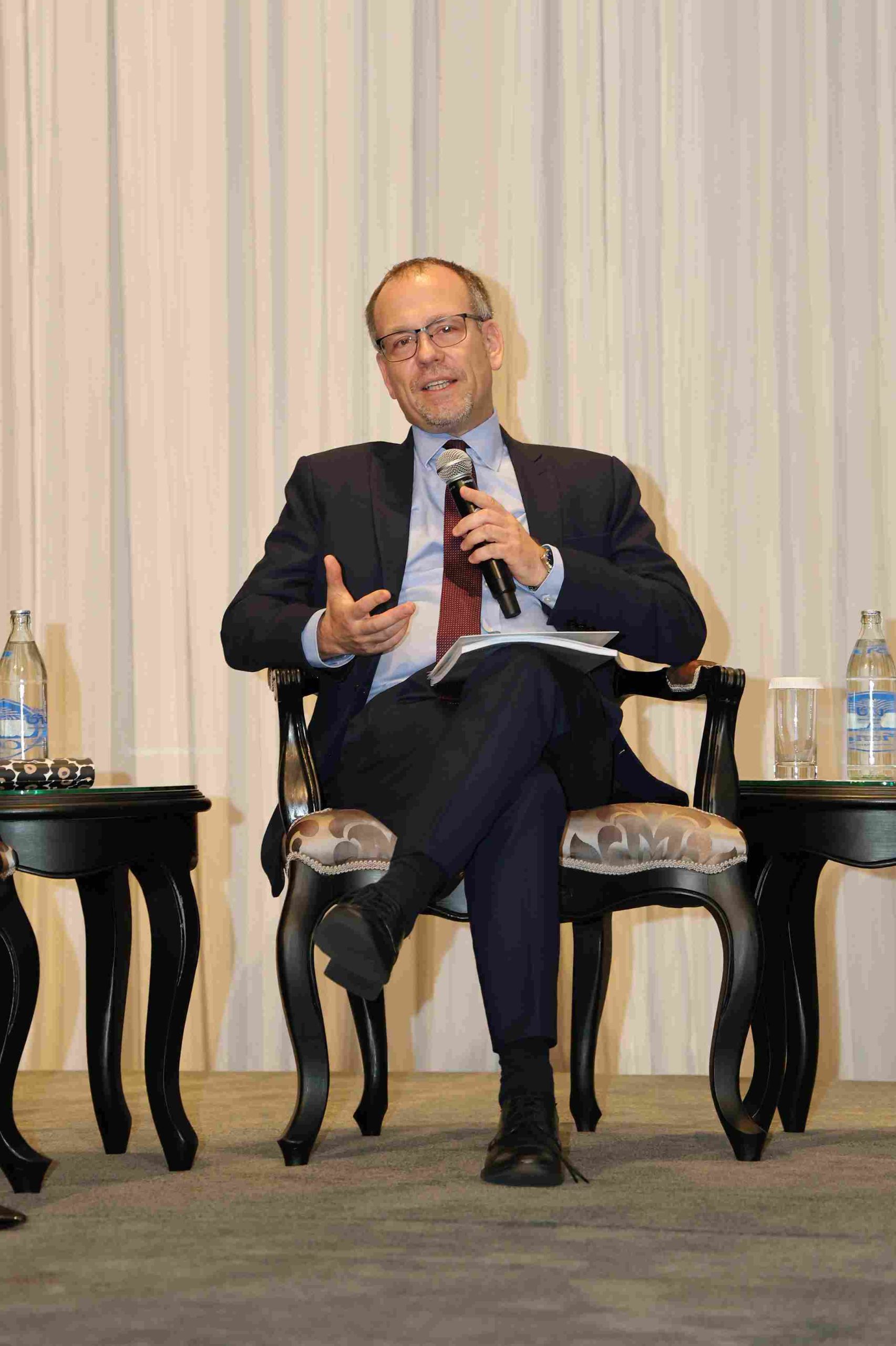
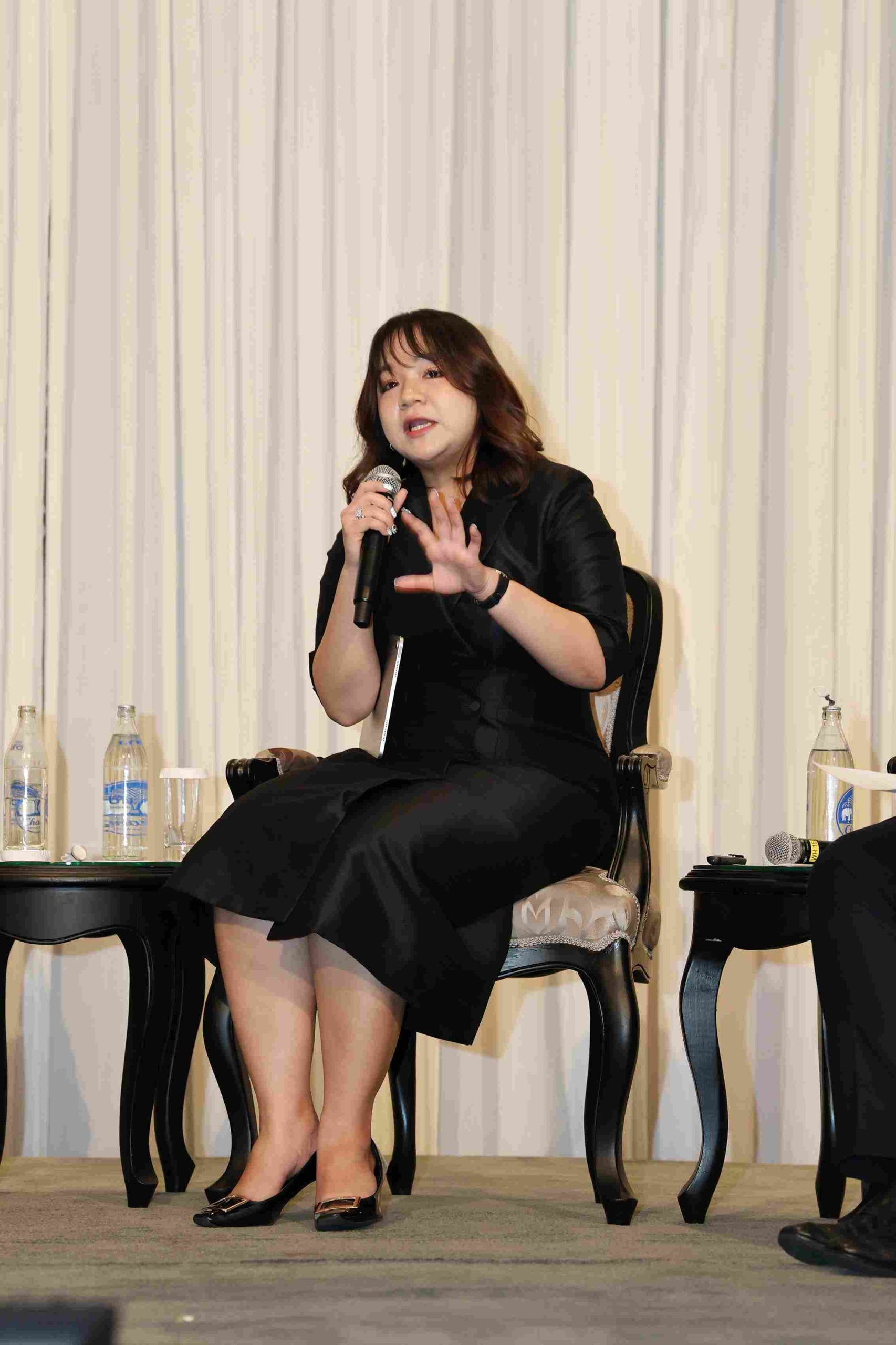
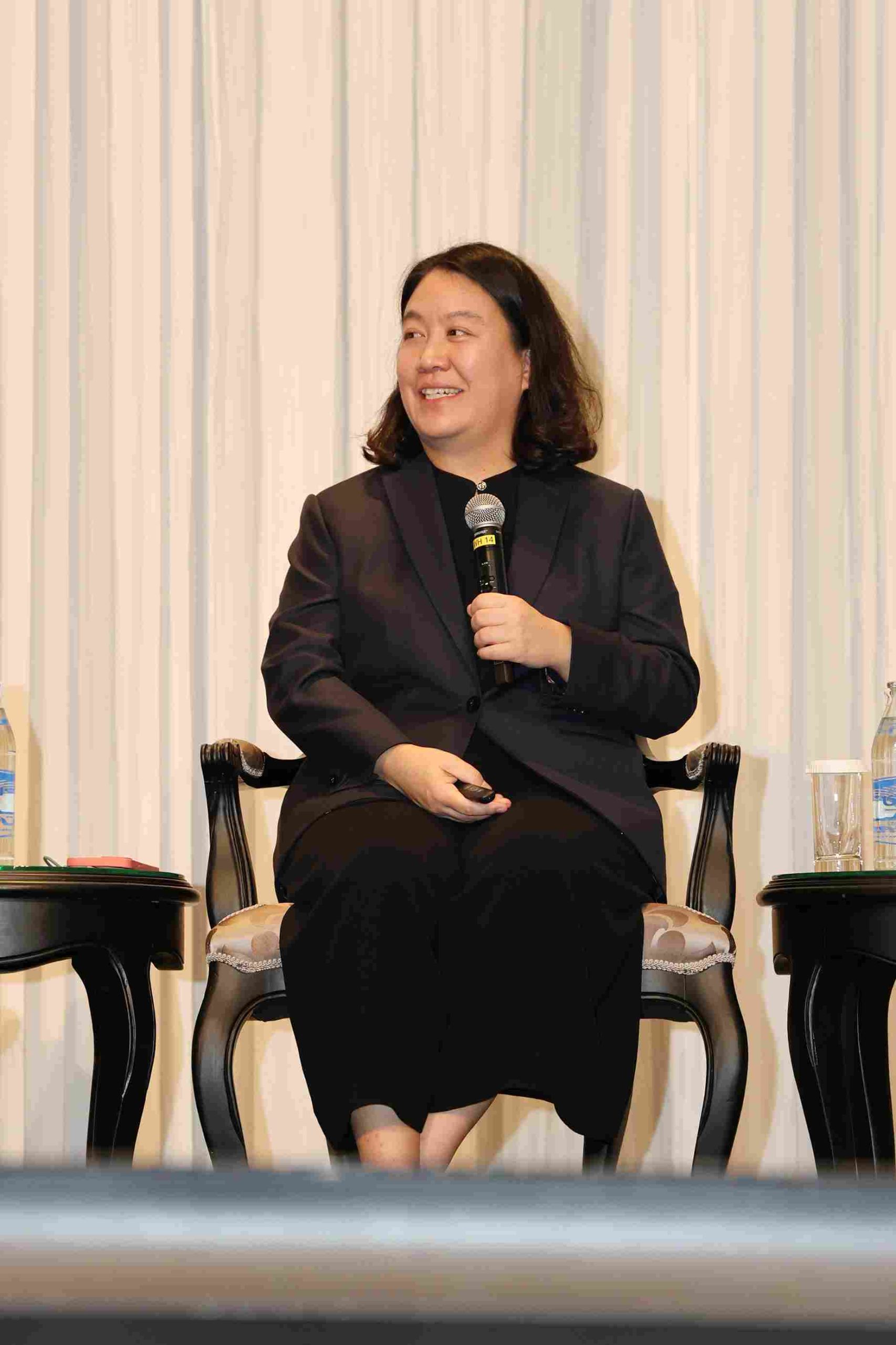
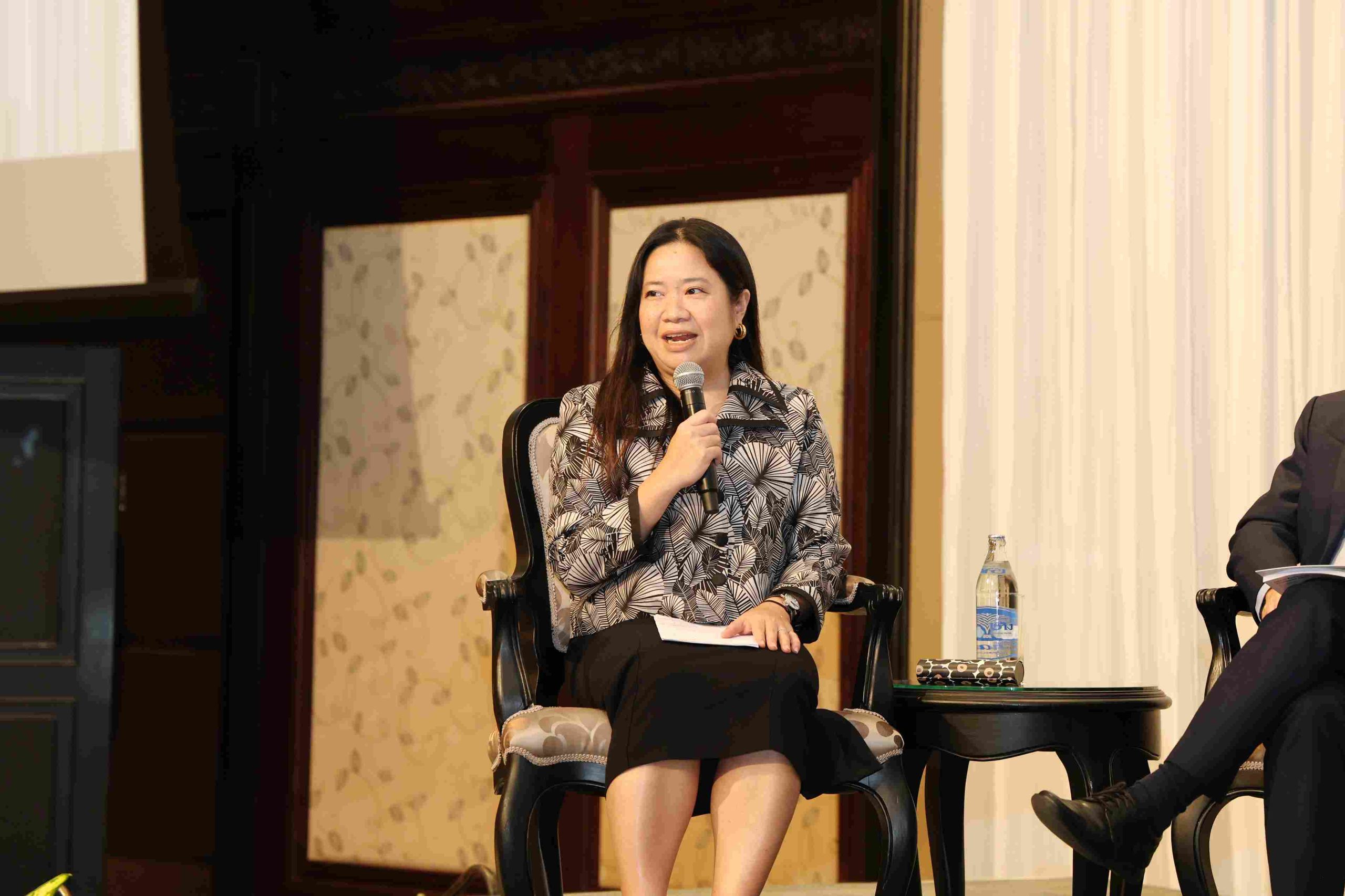
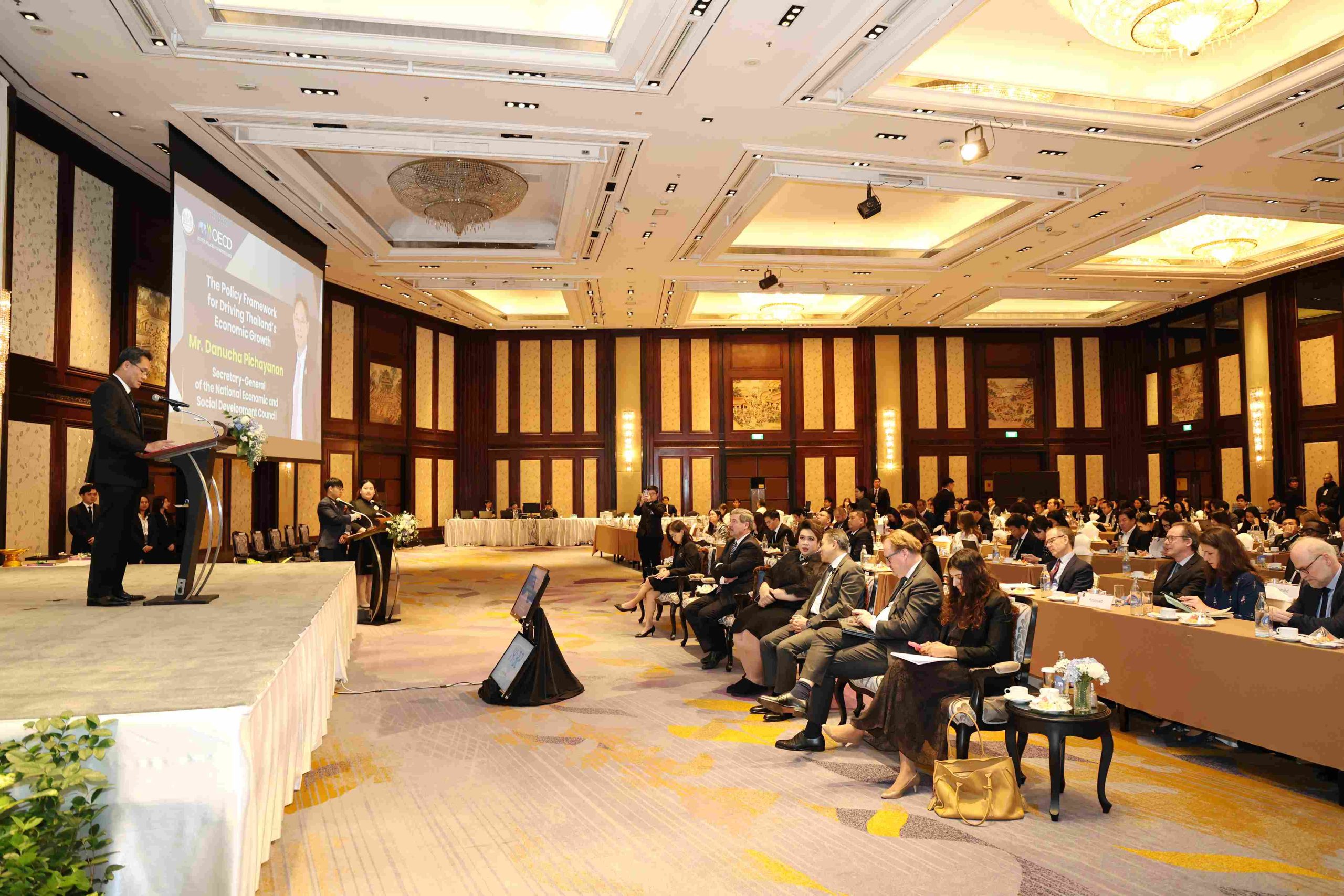
Meanwhile, Mr. Danucha Pichayanan, Secretary-General of NESDC, presented Thailand’s economic development approach, emphasizing the country’s commitment to economic restructuring and institutional mechanism enhancement to improve productivity and competitiveness. He highlighted key challenges facing Thailand’s economy, including an aging society, informal employment, investment slowdown, and climate change risks, which require effective solutions. This survey report provides valuable policy recommendations for Thailand’s development, particularly as NESDC is drafting the 14th National Economic and Social Development Plan (2028-2032). The report’s insights will serve as crucial input for the plan’s development. The event included an academic panel discussion on “Restructuring Thailand’s Economy through Productivity Enhancement and Informal Economy Reform,” featuring distinguished speakers: (1) Dr. Jens Arnold, Head of Country Studies Division Economic Department, OECD; (2) Dr. Somras Chantarat, Director of Puey Ungphakorn Institute for Economic Research; (3) Asst. Prof. Dr. Nakarin Pinpathomrat, Director of Social Security Office Bangkok Area 5; and (4) Ms. Piyaphat Thabintip, Acting Director of Legal Affairs, Office of Trade Competition Commission, with Dr. Ananchronok Sakontawat, Director of Macroeconomic Strategy and Planning Division, NESDC, as moderator.


Source: Macroeconomic Strategy and Planning Division