
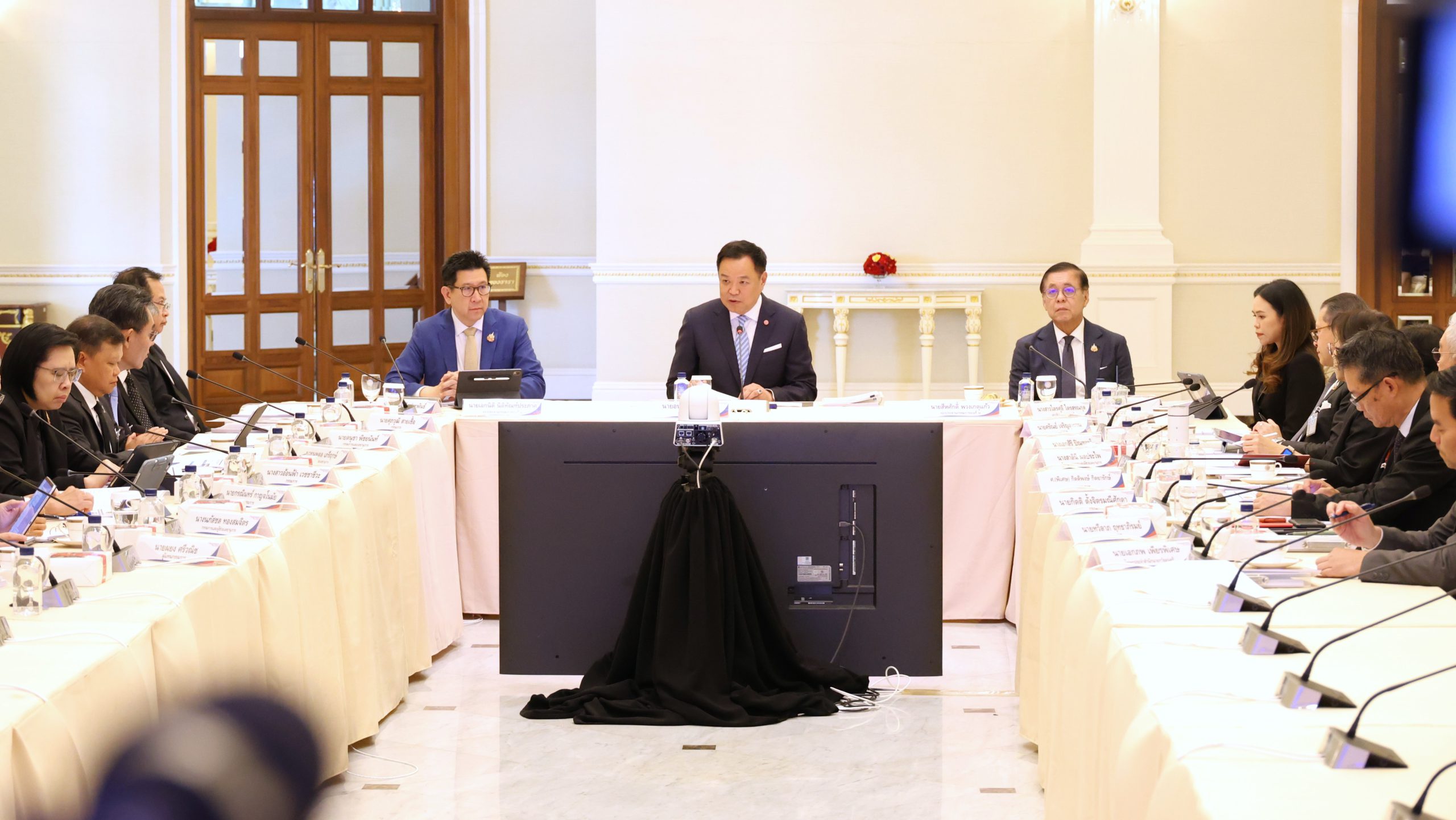
*The government is moving forward to push Thailand toward OECD membership by 2028. The Prime Minister emphasized that OECD accession is a national agenda that all agencies must prioritize and collectively drive forward with full effort. This includes partnering with the private sector to establish concrete action plans and strengthening relations with the OECD and its member countries to elevate national standards, build confidence, and increase economic opportunities for the Thai people.*
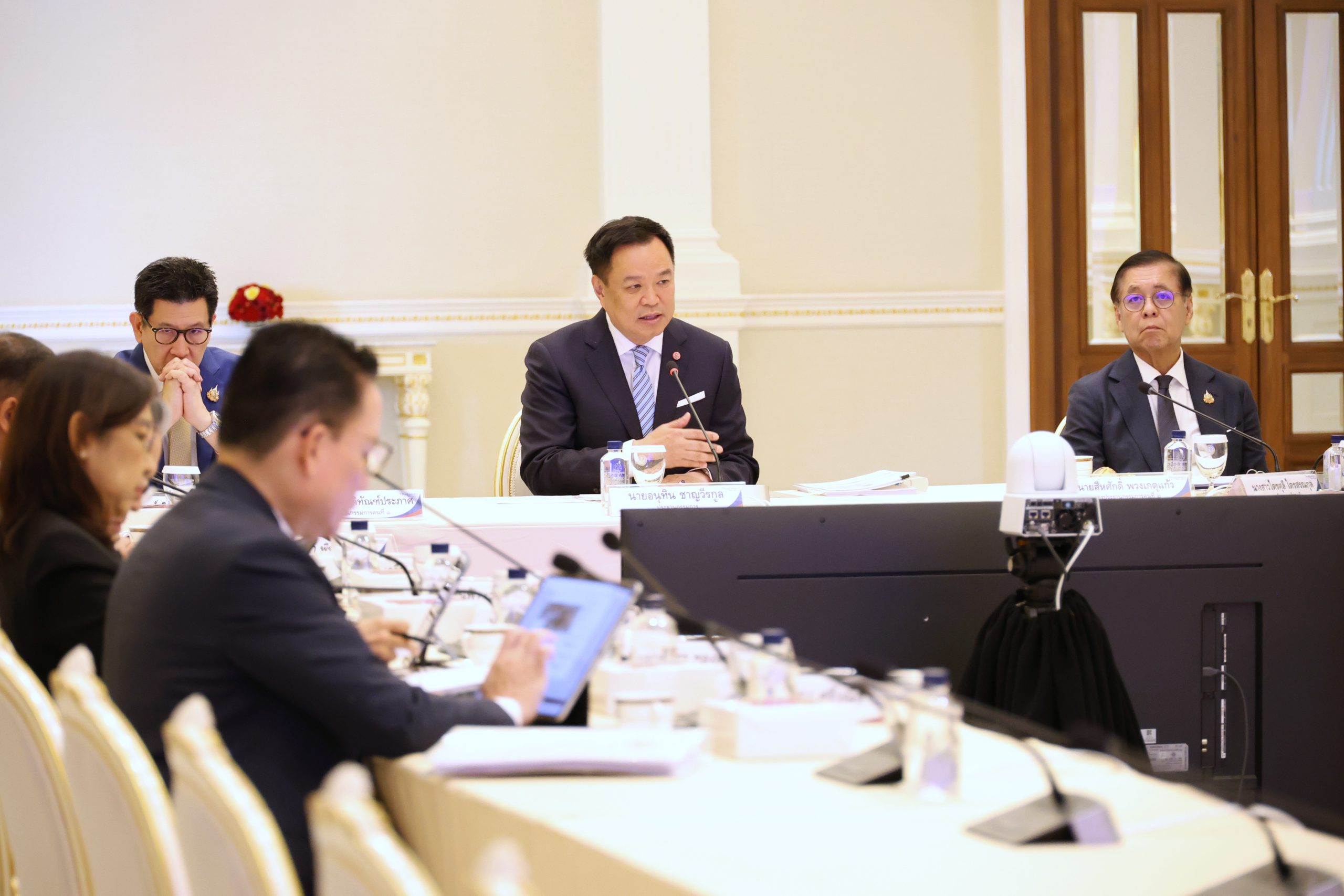
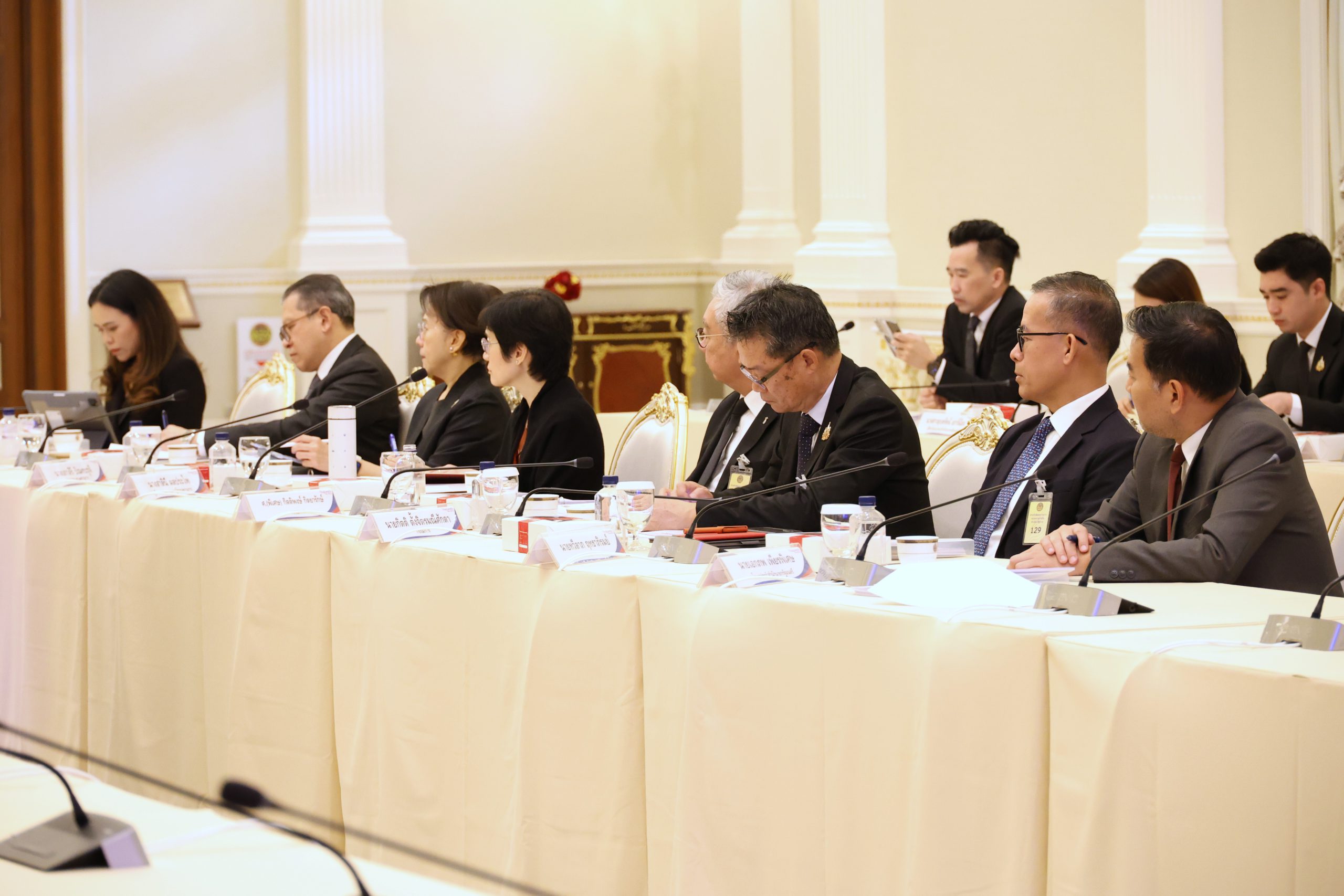
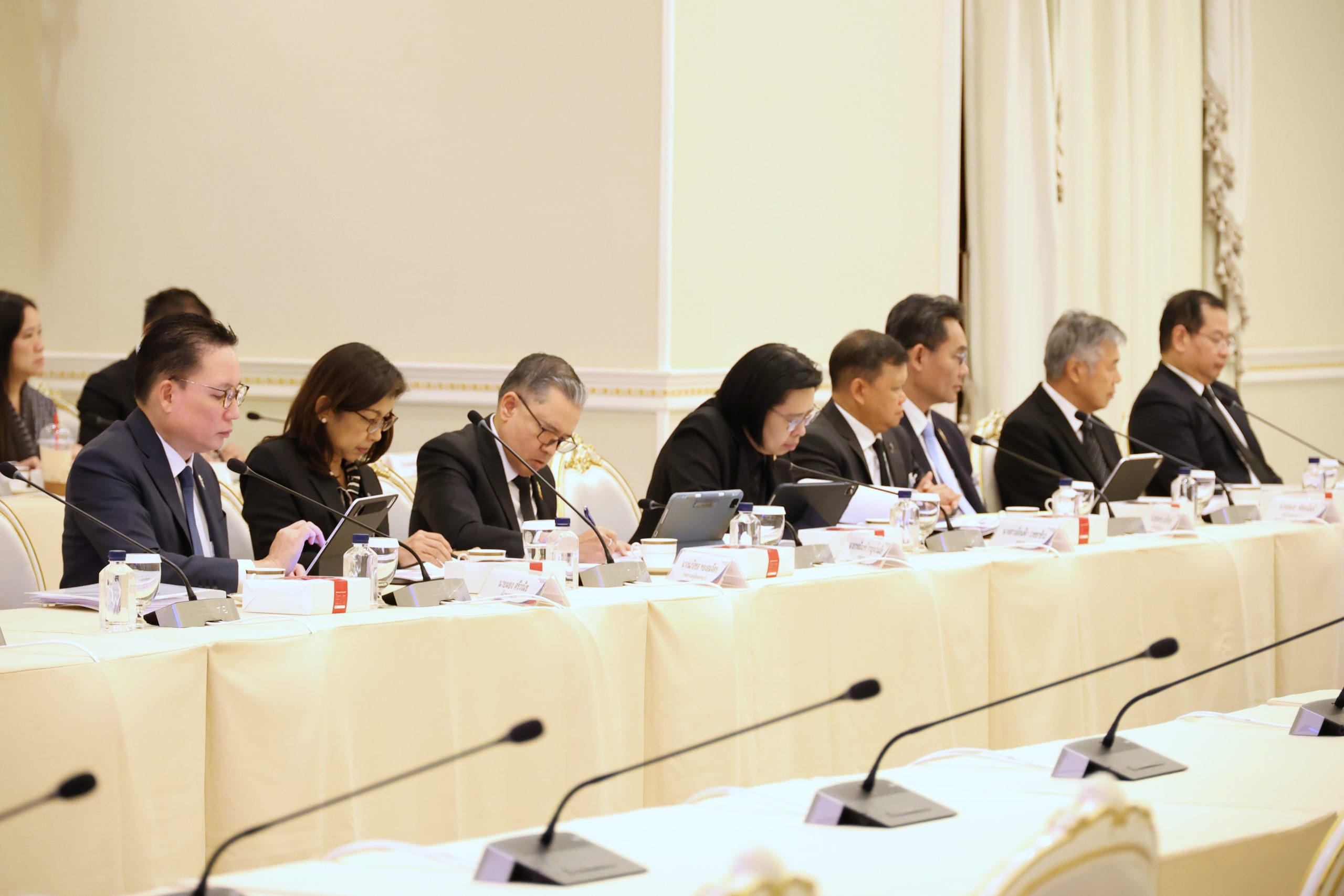
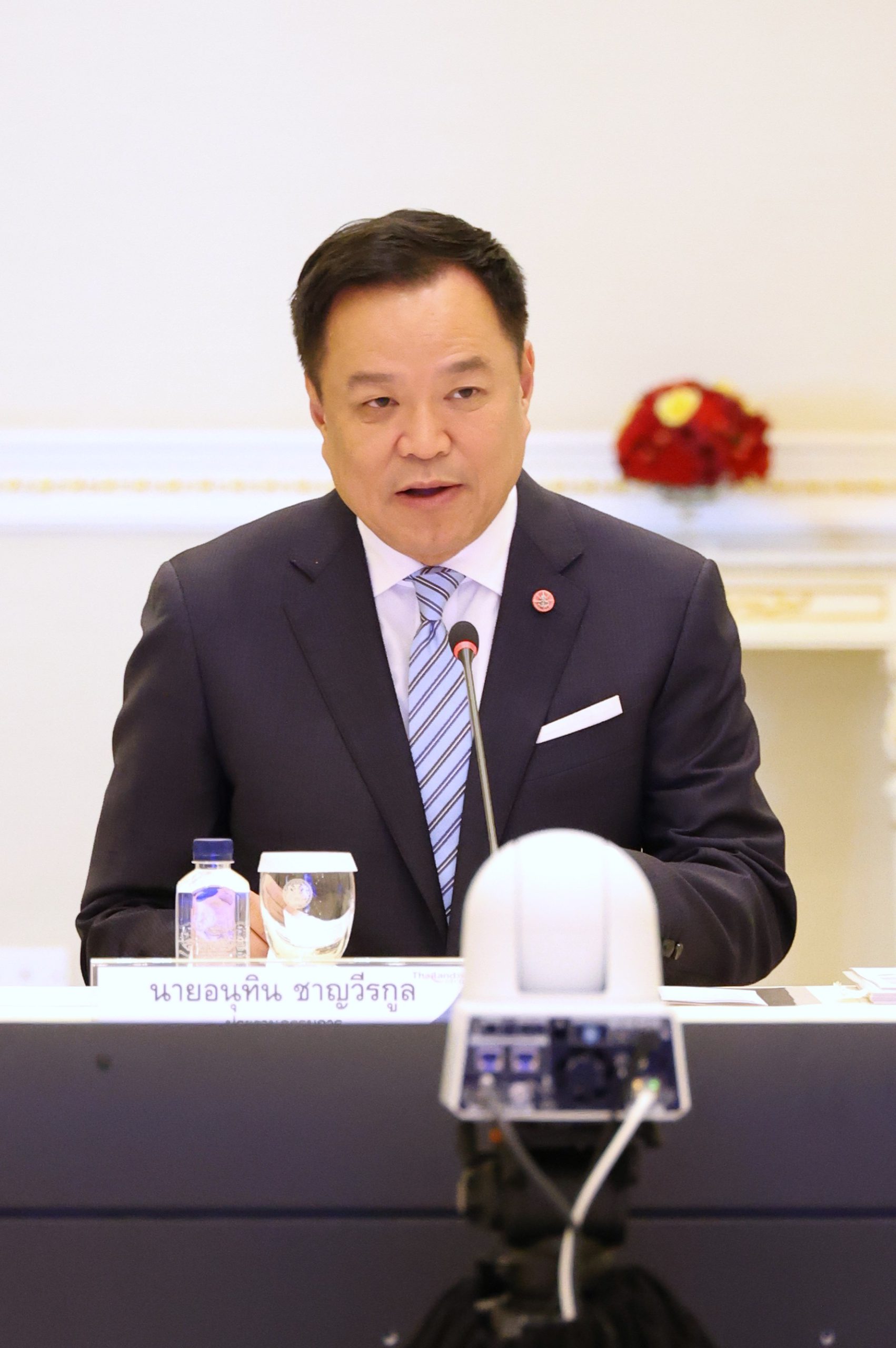
On November 13, 2026, Prime Minister Anutin Charnvirakul chaired the 1st/2026 meeting of the Steering Committee for Thailand’s Accession to the Organisation for Economic Co-operation and Development (OECD) at the Phakdi Bodin Building, Government House. The meeting was attended by Deputy Prime Ministers, executives from relevant agencies, and experts to determine the direction and accelerate Thailand’s progress toward achieving the goal of OECD membership by 2028.
The Prime Minister emphasized that OECD accession is a national agenda that every agency must recognize the importance of and collectively drive with full force. It is not the mission of any single agency but a shared responsibility to elevate Thailand’s standards and competitiveness. In this regard, all agencies are requested to prepare, plan operations carefully and concretely, and coordinate closely and efficiently. Furthermore, cooperation with the private sector and relevant stakeholders should be promoted to ensure that the drive moves in the same direction and achieves the goals within the specified timeframe.
The goal of joining the OECD is not merely to obtain membership status in an international organization, but to elevate Thailand’s standards so that citizens receive concrete benefits. This includes transparent and efficient public administration, fair economic rules conducive to entrepreneurs of all sizes, the reduction of business obstacles, and the creation of an environment favorable to investment, quality employment, and income-generating opportunities for the people.
The meeting acknowledged that Thailand’s current progress is in the Technical Review stage by 25 OECD committees and 27 working groups. This covers the assessment of readiness in terms of policies, laws, and practices across various fields, providing recommendations to elevate national standards in line with international practices. The Prime Minister emphasized that lead agencies must accelerate the preparation of plans and define concrete guidelines for the next phase to effectively drive reforms, monitor progress, and resolve obstacles.
Furthermore, the meeting approved guidelines for driving OECD accession in three key areas:
First, accelerating domestic operations by tasking lead and relevant agencies from both the public and private sectors to carry out their assigned missions with full effort. This is to ensure that Thailand’s OECD accession makes concrete progress and achieves goals within the specified timeframe. The Office of the National Economic and Social Development Council (NESDC) serves as the lead agency for coordination and progress monitoring, as well as pushing for the resolution of operational obstacles and promoting knowledge, understanding, and participation from various sectors to collectively drive the elevation of Thailand’s standards for concrete results.
Second, strengthening relations with the OECD and member countries by prioritizing the enhancement of partnerships through both bilateral and multilateral cooperation. This includes participating in activities to exchange knowledge and experience in reform, as well as building understanding and support from member countries to promote progress in Thailand’s accession process, with the Ministry of Foreign Affairs as the lead agency.
Third, upgrading laws and regulations to align with OECD standards by accelerating the review and improvement of relevant laws, regulations, and practices. This aims to promote transparency, reduce business obstacles, and create an economic environment conducive to fair competition, with the Office of the Council of State as the lead agency.
Additionally, the meeting approved the appointment of three subcommittees to oversee and accelerate operations in each area: domestic driving, building relations with the OECD, and legal and regulatory adjustment. Mr. Sarun Charoensuwan was appointed as the Head of the Operations Center for Thailand’s OECD Accession Coordination (OECD Chief Coordinator) to oversee the drive, link operations between agencies, monitor progress, and coordinate the timely resolution of obstacles.
The Steering Committee meeting emphasized that all agencies must prioritize preparation, clear planning, and close coordination to ensure that operations in all areas are interconnected. It is also vital to maintain and continuously strengthen good relations with the OECD and member countries, with the primary goal of enabling Thailand to become a member by 2028. This process serves as a significant opportunity to elevate national administration standards, strengthen economic confidence, and increase opportunities for improving the quality of life for the people in a concrete way.

International Strategy and Coordination Division
Office of the National Economic and Social Development Council